丰田混合动力系统Ⅱ

Search documents
拆解日产Note e-POWER逆变器:构造太简洁了
芯世相· 2026-01-20 06:25
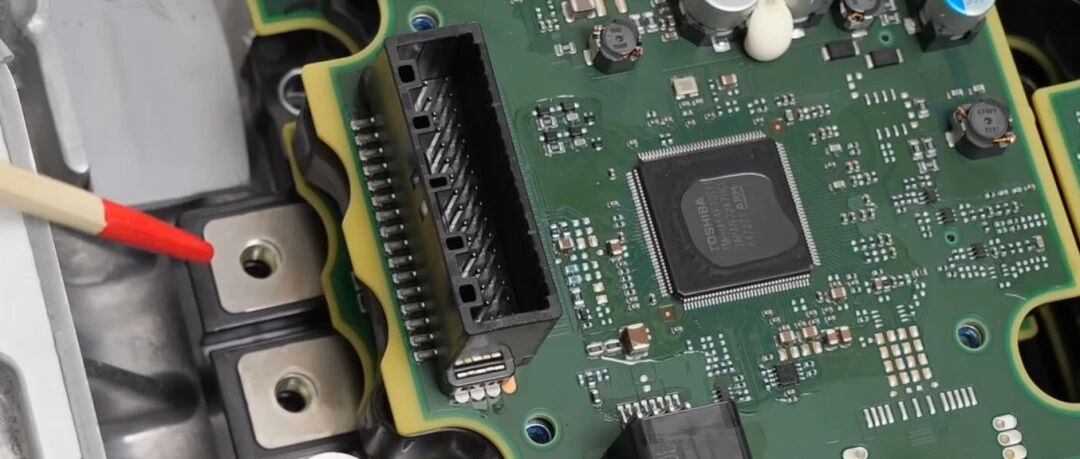
Core Viewpoint - The article provides an in-depth analysis of Nissan's e-POWER series hybrid system, focusing on its unique series hybrid architecture and the internal structure of its inverter, highlighting both its advantages and limitations in fuel efficiency compared to other hybrid systems [5][13][58]. Group 1: e-POWER System Overview - The e-POWER system is a series hybrid system where the engine only functions as a generator, not directly driving the wheels, which allows for optimal engine performance and fuel efficiency [7][13]. - The system includes multiple operational modes: battery direct supply mode, regenerative braking mode, and engine operation mode, each contributing to energy efficiency [10][13]. Group 2: Energy Flow and Efficiency - The series hybrid system's design allows the engine to operate at its most efficient speed and load, enhancing fuel economy, particularly in urban driving conditions [13][15]. - However, at high speeds, the fuel efficiency of the e-POWER system may be lower than that of other hybrid systems due to energy losses during the conversion and transmission processes [13][14]. Group 3: Inverter Structure and Analysis - The inverter used in the Nissan Note e-POWER model features a simple structure, with key components including film capacitors and power semiconductors, designed for efficient energy management [16][21][58]. - The inverter's internal components, such as the power semiconductors and printed circuit boards, are standardized to reduce production costs and enhance compatibility across different e-POWER models [47][50]. Group 4: Comparison with Other Hybrid Systems - Compared to Toyota's Hybrid System II and Honda's e:HEV, Nissan's series hybrid system has higher energy losses due to its architecture, which is reflected in its fuel economy data [14][15]. - The fuel economy of Nissan's e-POWER models is reported at 28.4 km/l under WLTC conditions, which is slightly lower than similar compact models equipped with other hybrid systems [15]. Group 5: Cooling and Thermal Management - The inverter's cooling system is designed to prioritize the cooling of IGBT modules, ensuring stable operation during extended use [54]. - The cooling liquid flows through a structured pathway to effectively manage heat dissipation, which is crucial for maintaining performance [54]. Group 6: Conclusion - The analysis concludes that the inverter design of the Nissan Note e-POWER is simpler compared to competitors like the Toyota Prius, which has a more complex structure due to additional components [58].