
乐亭大鼓

Search documents
探秘唐山博物馆 醉心“冀东文艺三枝花”
Xin Lang Cai Jing· 2026-02-21 04:54
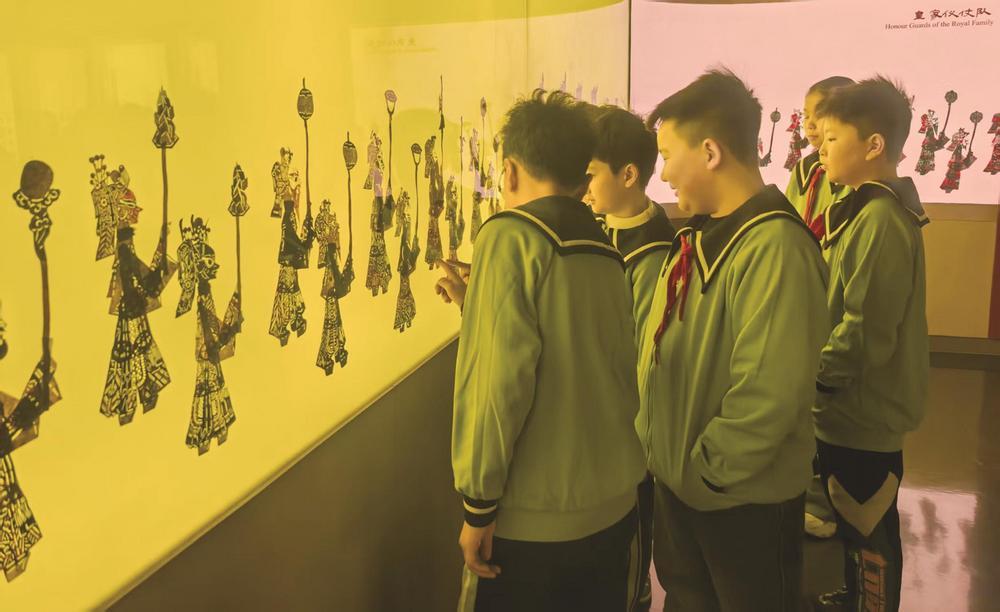
(来源:唐山劳动日报) 参与活动的一位家长表示:"这次活动不仅让孩子们收获了知识,对我自己也是一次文化提升,同时也激发了对传统文化的热爱,是给孩子、 也是给自己的一份有意义的新春礼物。" 图为孩子们在仔细观察影人的结构。 何梦然 摄 评剧展区,复原的戏台、戏服以及萦绕耳畔的经典唱段,让孩子们仿佛穿越回了百年前的戏曲舞台。他们跟着旋律轻轻哼唱,在《刘巧儿》 《花为媒》等经典剧目的韵味中,体味到了家乡戏曲的质朴与鲜活,对评剧这一经典剧种有了更深的理解和认识。 来到乐亭大鼓展区,说唱艺术的独特韵律与故事感则深深打动了每一位队员。通过展板介绍、老艺人影像资料及实物唱本,孩子们了解了这门 源于乐亭、唱响冀东的曲艺形式,感受到了民间艺术扎根生活、代代相传的旺盛生命力。 参观过程中,孩子们认真记录、积极提问、轻声交流,用笔记本记下非遗知识,用镜头定格文化瞬间。机场路小学五(5)中队的袁辛博同学 说道:"通过这次走出课堂的研学活动,对家乡的文化产生了浓厚的兴趣。希望能够更多地学习这些家乡文化,争当非遗小传承人,把家乡的 优秀文化记在心里,讲给更多人听。" 本报讯 (王楠、王艺霖)假日期间,市博物馆来了一群小学生。他们在此开展 ...

坤舆之声
Ren Min Ri Bao· 2025-11-07 22:00
Core Viewpoint - The article explores the cultural significance of drums in various contexts, particularly in traditional Chinese performances and celebrations, highlighting their role in evoking emotions and representing historical practices. Group 1: Cultural Significance of Drums - Drums are associated with excitement and energy, particularly in martial arts performances where they enhance the dramatic effect of battles on stage [2] - The use of drums in traditional Chinese opera, such as Peking opera, serves as a conductor for the orchestra and is integral to the storytelling [2] - Various forms of traditional drumming exist across different ethnic groups in China, each with unique styles and cultural meanings, such as the hand drum in Xinjiang and the eight-corner drum of the Manchu people [3] Group 2: Historical Context and Evolution - Historically, drums played a crucial role in ancient battlefields, symbolizing the call to advance or retreat, with the saying "advance at the sound of the drum" reflecting their importance [2] - The evolution of drum-making techniques and materials, such as the transition from using cowhide to more complex processes, illustrates the cultural heritage and craftsmanship involved in drum production [4] - The "Wayaohua Drum" from the Miao ethnic group represents a blend of traditional practices and modern adaptations, showcasing the ongoing relevance of drumming in contemporary cultural expressions [4]