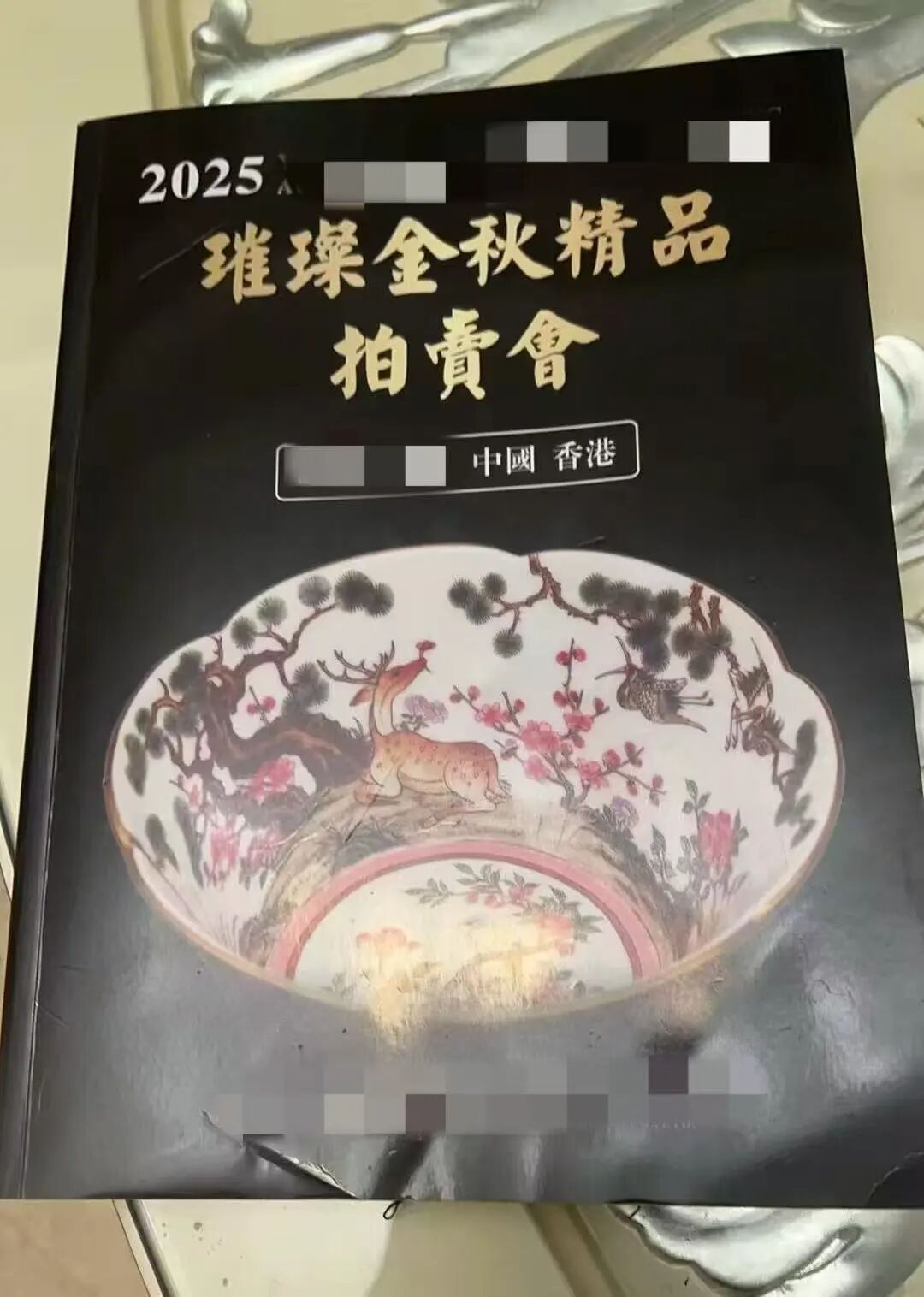
五彩瓶

Search documents
3500元的瓷瓶 为啥能估值300万元
Xin Lang Cai Jing· 2026-02-09 17:12
Core Viewpoint - A new type of fraud in the art auction industry has emerged, targeting sellers with fake auctions, leading to significant financial losses for victims, often ranging from tens of thousands to millions of yuan [1][4]. Group 1: Fraud Mechanism - Fraudsters create fake auction houses and claim to have wealthy buyers interested in the sellers' items, exploiting the sellers' anxiety to cash in on their collections [1][3]. - Victims are often lured by high valuations of their items, with one case reporting a valuation of 3 million yuan for a piece originally purchased for 3,500 yuan [2][4]. - The fraud typically involves a three-step process: identifying targets, providing inflated valuations through "experts," and collecting large deposits under the guise of securing the auction [4][5]. Group 2: Victim Experiences - Victims report similar experiences, where after paying deposits, their items are never sold, and they are unable to retrieve their money or items [4][6]. - Many victims feel embarrassed and choose to remain silent about their losses, fearing judgment from peers in the collecting community [7][8]. - The psychological manipulation by fraudsters often leads victims to overlook the legitimacy of the auction companies [3][4]. Group 3: Legal and Recovery Challenges - Victims face significant challenges in seeking legal recourse due to the cross-border nature of these scams, which complicates the identification of the fraudulent entities [7][8]. - Legal definitions often categorize these cases as economic disputes, making it difficult for victims to pursue claims [7]. - The lack of physical evidence and the presence of misleading contractual terms further hinder victims' ability to recover their losses [8]. Group 4: Expert Recommendations - Experts advise collectors to be wary of any auction that requires upfront deposits, as legitimate auction houses do not ask sellers for such payments [9][10]. - Verification of auction house credentials through official channels is crucial to avoid falling victim to scams [10]. - Collectors are encouraged to maintain thorough records of communications and transactions to support any potential claims [10].
“3500元买来的瓷瓶,估值300万”:文玩假拍骗局调查
Xin Jing Bao· 2026-02-08 23:55
Core Viewpoint - The article highlights a growing trend of fraudulent auction schemes targeting individuals looking to sell their collectibles, particularly in the realm of art and antiques, where scammers exploit the sellers' hopes for high valuations and quick sales [4][19][40]. Group 1: Fraud Mechanisms - Scammers often pose as legitimate auction houses, promising high valuations and quick sales to lure in unsuspecting sellers [4][20]. - The fraud typically involves three steps: identifying targets, providing inflated valuations, and requiring upfront deposits as "guarantees" for the auction [20][21]. - Once the deposit is paid, the auction is staged to ensure that the item "fails to sell," allowing the scammers to keep the deposit under the guise of service fees [22][40]. Group 2: Victim Profiles - Victims of these scams are often middle-aged to elderly individuals who lack experience in the auction process and are eager to realize the value of their collectibles [19][39]. - Many victims are reluctant to report their experiences due to fear of embarrassment or social stigma within the collector community [3][43]. - The scams have expanded beyond seasoned collectors to include ordinary individuals with old items, indicating a broadening victim base [45]. Group 3: Industry Insights - The auction industry is characterized by a significant number of companies, with approximately 15.3 million registered, but only 669 have the necessary qualifications for handling cultural relics [44]. - The complexity of the auction process, including valuation and compliance, creates opportunities for fraudulent entities to exploit sellers' lack of knowledge [44][46]. - Legitimate auction houses typically do not require sellers to pay deposits, contrasting sharply with the practices of fraudulent companies [45][46]. Group 4: Prevention and Awareness - Awareness campaigns and shared experiences among victims are crucial in preventing further scams, as individuals like Lin Wan actively share their stories to warn others [49][50]. - The article emphasizes the importance of verifying the legitimacy of auction houses and being cautious of any requests for upfront payments [46][47].