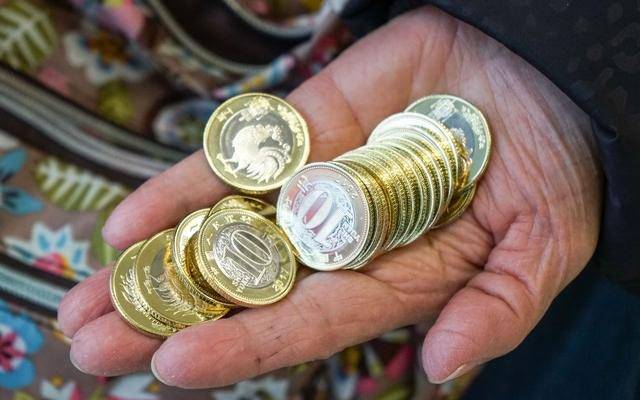
五角硬币

Search documents
5角硬币含不含黄金?多亏金店老板告知,好多人还蒙在鼓里
Sou Hu Cai Jing· 2025-09-15 18:58
Core Viewpoint - The article discusses the misconception that the five-cent coin contains gold, clarifying that it does not and explaining the reasons behind this belief [3][5][6]. Group 1: Misconceptions about the Five-Cent Coin - Many people mistakenly believe that the yellow five-cent coin contains gold due to its color resembling that of gold [4][6]. - This belief has led to the collection of these coins in rural areas, where they were sometimes fashioned into jewelry [4]. Group 2: Composition of the Five-Cent Coin - The five-cent coin has been issued in five different versions since its introduction, each with distinct designs and materials [7]. - The first version, the "Wheat" five-cent coin, was made of brass alloy and issued from 1980 to 1986 [8]. - The second version, the "Plum Blossom" five-cent coin, was made of copper-zinc alloy and circulated from 1991 to 2001 [9]. - The third version, the "Lotus" five-cent coin, is the most common and also made of copper-zinc alloy [10]. - The fourth version features a steel core with copper-nickel plating, enhancing durability [11]. Group 3: Identifying Genuine Coins - Genuine five-cent coins weigh approximately 3.8 grams, although there may be slight variations among different versions [12]. - Some versions of the five-cent coin exhibit slight magnetic properties, while the brass version does not [14]. - The edge of a genuine coin has clear and neat teeth, whereas counterfeit coins often appear rough [14]. Group 4: Collectibility of the Five-Cent Coin - For the average person, the five-cent coin holds little collectible value, but it may be of interest to collectors due to limited issuance of certain versions [15]. - Most ordinary five-cent coins are worth only their face value unless they are from special years [15].

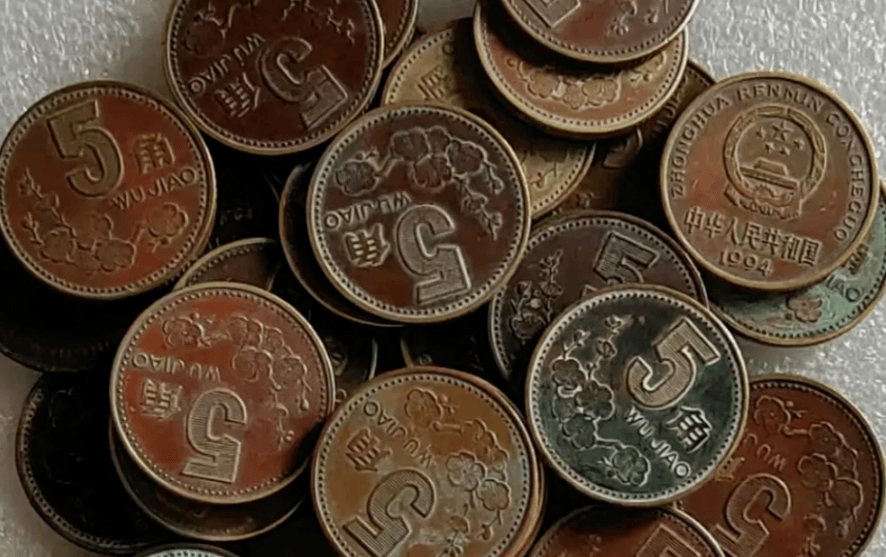
5角硬币中真的有黄金?银行人员道出真相,不少人还蒙在鼓里
Sou Hu Cai Jing· 2025-09-13 06:23
Core Viewpoint - The claim that the five-cent coin contains gold is a misconception, as all versions of the coin are made primarily of steel and copper, with no gold content [19]. Material Composition - The five-cent coins in circulation in China are made of two main materials: copper-clad steel (1991-2000) and steel core with copper alloy (post-2000) [4][5]. - The copper content in the 1991-2000 version is approximately 3.5%, while the post-2000 version has about 2.8% copper [4]. Misconceptions and Origins - The belief that five-cent coins contain gold stems from their color, as some copper-clad coins exhibit a gold-like sheen, leading 32% of surveyed individuals to mistakenly think they contain precious metals [3]. - Special editions or coins from certain years can fetch high prices in the collector's market, which may mislead people into thinking the coins contain valuable metals [3][8]. - The term "gold" is often used loosely in common language, contributing to misunderstandings about the coin's material [3]. Economic Principles - The production of circulating currency must adhere to economic principles, where the material cost must be significantly lower than the face value; incorporating gold would violate this principle [4][5]. - The material cost of a five-cent coin is estimated to be between 0.08 to 0.12 yuan, well below its face value of 0.5 yuan [5]. Collectible Value - Certain five-cent coins, particularly those from 1992 and 1999, have collectible values that can reach 20 to 50 yuan and 100 to 300 yuan respectively [8][9]. - The value of coins in the collector's market is more dependent on rarity and condition rather than the presence of precious metals [10]. Psychological Factors - The spread of the "golden coin" rumor can be attributed to people's natural inclination towards the idea of unexpected wealth, making them more likely to believe and share such claims [11]. Importance in Currency System - Despite not containing gold, five-cent coins play a crucial role in China's currency system, with approximately 15 billion coins in circulation, totaling a value of about 7.5 billion yuan [19]. Recommendations for Public Awareness - It is advised for the public to maintain a skeptical approach towards claims of unexpected wealth, seek authoritative information, and understand the basic principles of currency production to discern the truth behind such rumors [12][13][14].
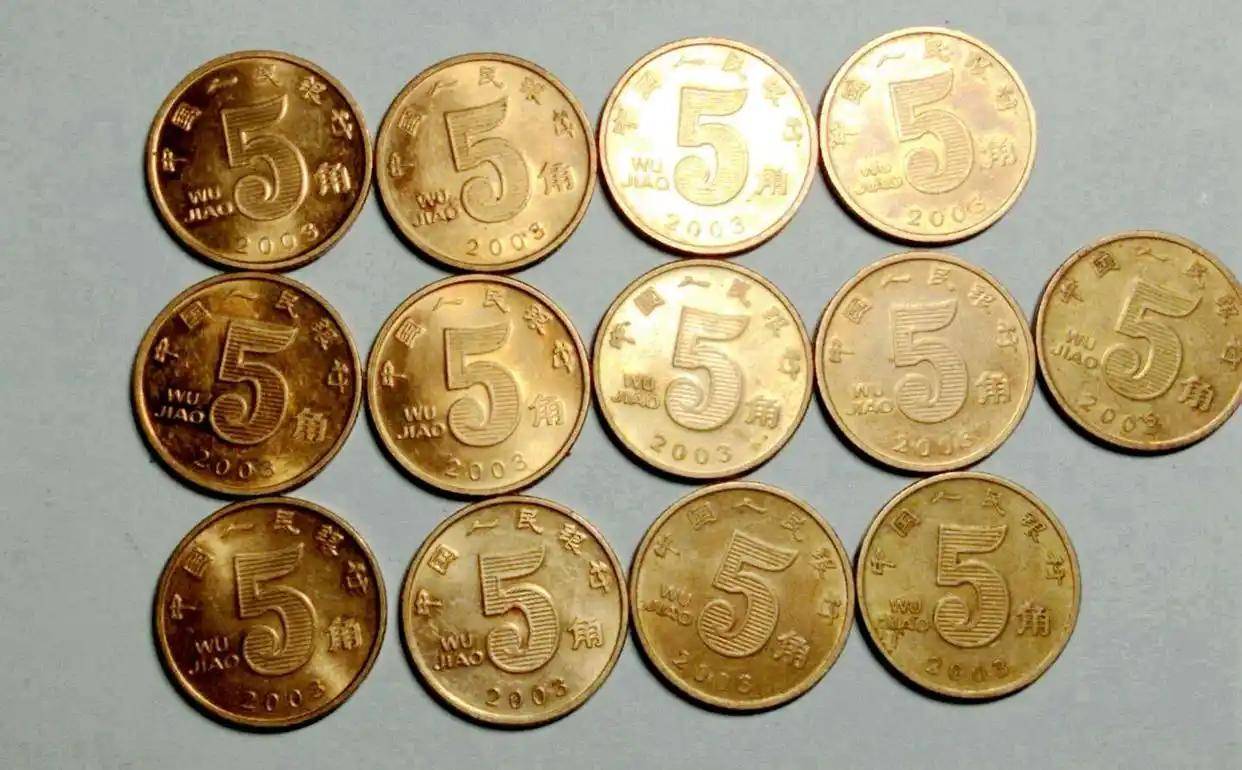
5角硬币暗含黄金?银行员工透露实情,多数人还被“蒙在鼓里”
Sou Hu Cai Jing· 2025-09-02 05:25
Core Viewpoint - The five-cent coin, despite its golden appearance, does not contain any gold and is made of a steel core with a copper coating, which is merely a manufacturing choice for aesthetic purposes [3][11]. Material Composition - The first generation of five-cent coins features a steel core and a copper layer, which gives it a golden look but does not signify any intrinsic value [3]. - The actual material of the five-cent coin is a copper-zinc alloy, often referred to as "soft gold" due to its color and properties, but it has no relation to real gold [5][6]. Misconceptions and Public Perception - There is a common misconception that the five-cent coin's appearance equates to value, leading some to spread misinformation for personal gain [6]. - The allure of the coin's golden color can mislead individuals, emphasizing the need for rational judgment and skepticism towards superficial appearances [6][11]. Collectible Value - Although the five-cent coin does not contain gold, it holds significant collectible value, reflecting the evolution of the national currency system and historical changes [8]. - Collecting different versions of the five-cent coin can be seen as a pursuit of historical significance and personal interest [8]. Call for Rationality - There is a call for society to adopt a more rational and principled approach towards the perception of currency, encouraging individuals to seek the truth beyond appearances [10].