人员定位系统

Search documents
我省危化行业安全治理迈入数智化
Xin Lang Cai Jing· 2026-02-09 22:25
Core Viewpoint - The implementation of digital safety management systems in the hazardous chemical industry in Guizhou is enhancing safety and regulatory oversight, transitioning from traditional methods to a more proactive and integrated approach [1][2]. Group 1: Company Initiatives - Guizhou Chitianhua Tongzi Chemical Co., Ltd. has installed over 2,000 personnel positioning beacons and 10 positioning bases, allowing real-time tracking of employees and immediate alerts for any safety breaches [1]. - The company has replaced traditional paper work permits with an electronic work permit management system, enabling a complete digital workflow for applications, approvals, and monitoring [1]. Group 2: Regulatory Support - The digital practices of companies provide strong support for regulatory bodies, allowing for proactive intervention and online inspections rather than reactive measures after incidents occur [2]. - The implementation of electronic work permits and personnel positioning systems has introduced new regulatory methods, facilitating precise monitoring of production activities while minimizing disruptions to normal operations [2]. Group 3: Industry Trends - The exploration by Guizhou Chitianhua Tongzi Chemical is indicative of a broader trend in the Guizhou hazardous chemical industry towards digital transformation and enhanced safety governance [2]. - By the end of 2025, all major hazardous chemical enterprises in Guizhou are expected to have installed positioning systems and adopted electronic work permits, establishing a digital safety management framework [2].

全国智能化煤矿超900处,智能开采产能占比过半
Xin Lang Cai Jing· 2026-01-27 07:25
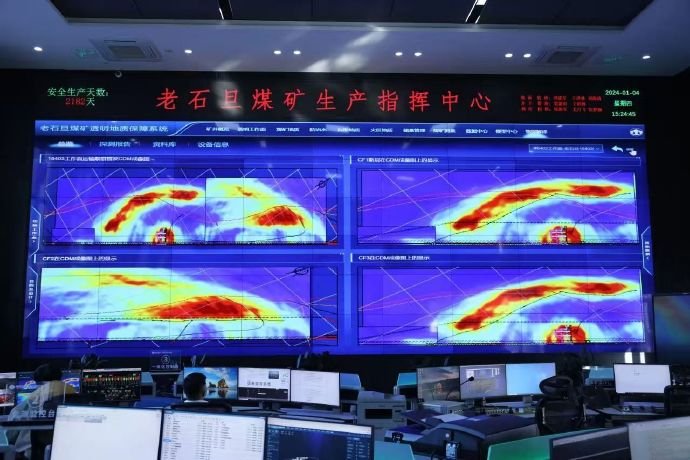
Core Insights - The number of intelligent coal mines in China has exceeded 900, accounting for nearly 25% of the total coal mines, with intelligent mining capacity surpassing 50% of the national total, marking a new phase in the coal industry's transition to safety and efficiency [1] Group 1: Key Developments and Regional Distribution - The current number of intelligent coal mines in China is over 900, covering nearly 25% of coal mines, with intelligent mining capacity historically exceeding 50%, replacing over 16,000 high-risk underground jobs [2] - Inner Mongolia leads in intelligent coal mine capacity, accounting for 88% of the region's operational coal mine capacity, with 44 open-pit mines utilizing unmanned mining trucks and 370 unmanned vehicles in operation [2] - Shanxi has built 369 intelligent coal mines, representing over one-third of the national total, with plans to achieve basic intelligence in all operational coal mines by 2027 [2] - Anhui has achieved full intelligence in all operational coal mines, except for resource-depleted mines [3] Group 2: Technological Applications and Innovations - Safety measures include personnel positioning systems with an accuracy of 0.3 meters and equipment proximity systems that automatically shut down within 10 meters, significantly reducing accident risks [4] - Mining efficiency has improved with "5G+AI" technology enabling "one-click coal mining," reducing the number of workers per shift by 30%-50%, and open-pit mines employing unmanned mining trucks and intelligent blasting technology [4] - The coal industry is transitioning from fuel to high-end materials, such as aviation-grade nylon, and is developing green electricity storage and hydrogen energy industries [4] Group 3: Transformation Outcomes and Societal Value - The replacement of high-risk jobs with automation has led to a significant decrease in miner injury rates, shifting the underground work model from "on-site monitoring" to "remote monitoring" [5] - Intelligent coal mines have increased single-shift efficiency by 30%-50%, with loading speeds reaching 7,000 tons in 2 hours, and labor costs in coal washing plants reduced by 70% [6] - Green mining techniques, such as filling mining and water-preserving mining, have been implemented in over 200 coal mines in Shanxi to reduce surface subsidence [7] - Inner Mongolia ranks first in new energy installations nationwide, with green electricity exports increasing by 40% annually and storage efficiency reaching 72% [8] - Miners are transitioning from heavy physical labor to "white-collar" operations, resulting in reduced labor intensity and enhanced safety, thereby improving occupational dignity [9] Group 4: Existing Challenges and Policy Support - Technical adaptation and cost pressures remain, particularly in deep and high-water-pressure mines, where full automation has not yet been achieved [10] - The cost of harmless disposal of dry rock is 60 yuan per ton, prompting companies to call for policy subsidies [11] - The national strategy emphasizes the intelligent upgrade of traditional industries, with the National Energy Administration releasing guidelines for intelligent construction in non-coal sectors [12] - Companies are exploring advanced technologies, with initiatives like geological transparency and robotic washing projects, and advocating for enhanced research and field collaboration to overcome technical bottlenecks [13] Group 5: Future Directions - Intelligent coal mines are driving the industry’s transition from a "supply guarantee ballast" to a "green new engine," with the next steps focusing on balancing short-term investments with long-term benefits, particularly in deep mine automation and expanding clean energy collaborations [15]