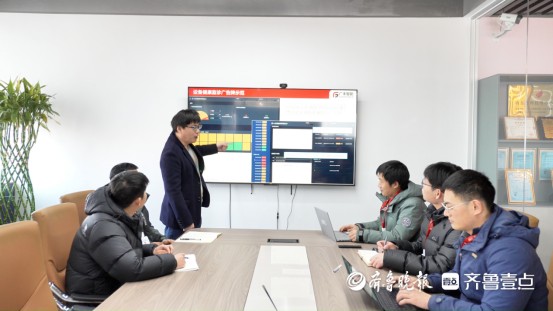
人工智能生产能耗控制系统

Search documents
破解AI规模化落地难题
Qi Lu Wan Bao· 2026-02-13 11:24
谢宗震长期扎根工业AI一线,助力多家世界500强及行业龙头企业实现智能转型。他指出,当前工业AI多 数仍停留在"项目验证"阶段,规模化复制面临三大痛点:误将算法能力等同于产业能力、工艺与数据语言 脱节、决策逻辑缺乏信任基础。"工业现场不缺先进模型,缺的是能长期稳定运行、可被理解信任的解决 方案。" 广丰人工智能给出的答案,是构建"稳定、可维护、可解释"的核心技术体系,这一体系并非追求复杂模型 与高算力架构,而是深度贴合重工业生产场景的务实创新。公司以工艺建模、设备异常预警、生产能耗 控制为三大技术支柱,历经多年一线项目打磨,形成了覆盖多行业的全流程技术解决方案。其中,自主研发 的"人工智能设备故障预警系统"与"人工智能生产能耗控制系统"已成功斩获国家软件著作权,相关技术 成果获得官方知识产权硬核保护,为技术落地与商业化推广筑牢法律根基。同时,公司持续加大研发投入, 已累计申请多项发明专利与实用新型专利,围绕工艺优化、配料控制、设备诊断等关键领域完善知识产 权布局,逐步构建起难以复制的技术壁垒。 从单点突破到模式复用,从技术研发到产业赋能,广丰智能的实践印证了谢宗震的判断:"当AI成为工业体 系的默认部分,而非 ...

破解AI规模化落地难题,专访日照高新区广丰人工智能公司谢宗震
Qi Lu Wan Bao· 2026-02-10 10:26
Core Insights - The article discusses the advancements and challenges in the industrial AI sector, particularly focusing on the efforts of Guangfeng Artificial Intelligence Technology (Shandong) Co., Ltd in providing practical AI solutions for heavy industries [1][3]. Group 1: Company Overview - Guangfeng AI is dedicated to the industrial AI field, providing solutions that support production decision-making through continuous data flow from various industrial processes [1]. - The company has developed a core technology system that emphasizes stability, maintainability, and interpretability, rather than complex models and high computational power [3]. Group 2: Technology and Solutions - The company’s technology pillars include process modeling, equipment anomaly warning, and production energy consumption control, which have been refined through years of practical project experience [3][5]. - Guangfeng AI's proprietary systems for equipment fault warning and energy consumption control have received national software copyright, ensuring legal protection for their technological achievements [3]. Group 3: Implementation Strategy - The company adopts a "localized deployment + modular design" approach, ensuring that its technology is integrated into industrial sites rather than being developed in isolation [5]. - The technology effectively merges process language with data language, allowing for dynamic modeling that aligns AI decisions with real-world industrial practices [5]. Group 4: Industry Trends - The development of industrial AI is seen as progressing through three phases: demonstration application, scale replication, and the formation of industry paradigms [6]. - The company is exploring pathways for energy monitoring and intelligent energy-saving solutions in line with the deepening ESG (Environmental, Social, and Governance) principles [6]. Group 5: Future Outlook - The company aims for AI to become an integral part of the industrial system, facilitating quality transformation and efficiency improvements in Chinese manufacturing [6].