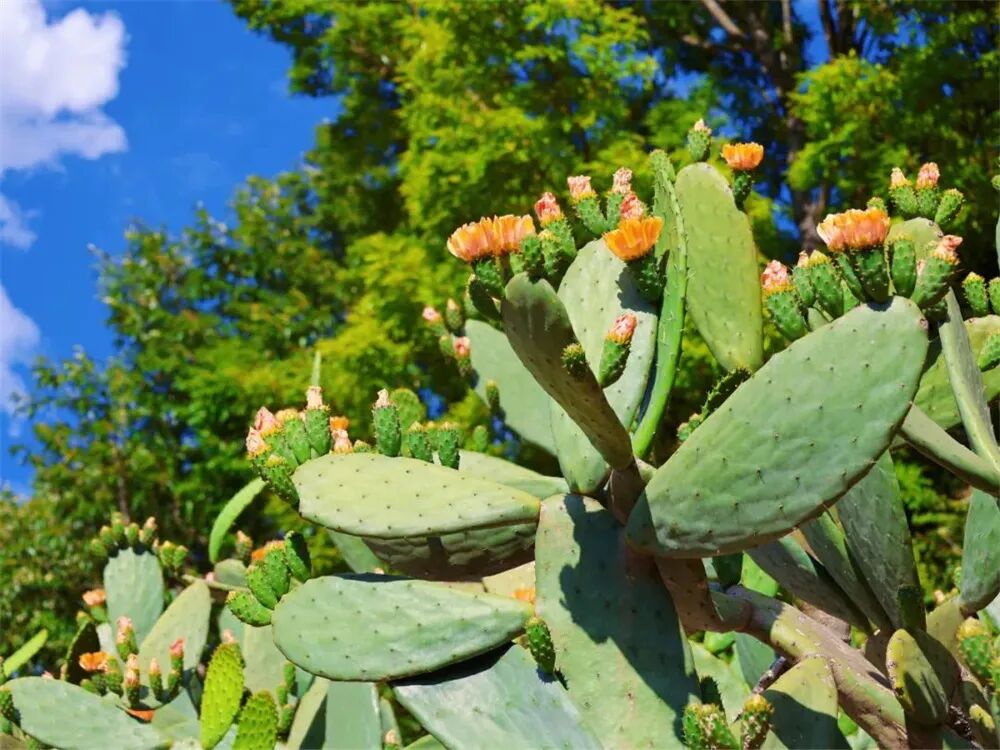
仙人掌

Search documents
花开“香”村
Xin Lang Cai Jing· 2026-01-15 22:30
Core Insights - The development of Wuxiangmiao Village into a provincial-level rural revitalization demonstration village is primarily driven by the cultivation of wax plums, which has transformed the local economy and improved residents' livelihoods [1][2]. Economic Development - Wuxiangmiao Village has 200 acres of wax plums, generating an annual output value of nearly 2 million yuan, with the potential for 10,000 yuan profit per acre during peak sales season from New Year to Spring Festival [1][2]. - The introduction of wax plum cultivation has led to the establishment of additional economic crops such as gardenias, colorful chrysanthemums, cacti, and figs, with cactus cultivation alone reaching 1,000 acres and generating an annual output value of 5 million yuan [2][3]. Employment and Income - The village's agricultural activities require significant labor, with annual payments to villagers exceeding 4 million yuan for labor costs, alongside land rental income and year-end dividends, resulting in an average annual income increase of about 5,000 yuan per household [3]. Future Prospects - Plans are underway to build a cactus noodle processing factory and develop e-commerce sales channels, aiming to expand market reach and enhance the village's economic prospects [4].
石头能破茧 花开绽如莲
Xin Lang Cai Jing· 2025-12-21 20:41
Core Viewpoint - The transformation of Zhuangzitian village from a barren, stone-deserted area to a thriving community through the cultivation of cactus, leading to significant economic benefits for the villagers [2][4][5]. Group 1: Economic Impact - The cactus cultivation in Zhuangzitian is projected to generate an output value exceeding 15 million yuan this year, with an average income increase of 100,000 yuan per household [2]. - The area dedicated to cactus farming has expanded dramatically from over 700 acres to more than 5,000 acres in just two years [4]. - The village has established a cooperative and collective company, creating a unified brand and marketing strategy, which has led to significant sales and recognition, including a notable export of 20 tons of cactus leaves to Vietnam [7][10]. Group 2: Community Development - The village has successfully mobilized all residents to become shareholders in the cactus industry, ensuring that everyone benefits from the economic growth [4][6]. - A "head goose" leadership model has been implemented, with local leaders encouraging participation and addressing community concerns about the viability of cactus farming [6][7]. - The village has hosted cultural tourism events, attracting over 100,000 visitors last year, which has further boosted local economic activity [7]. Group 3: Agricultural Innovation - The cactus is recognized for its resilience and adaptability, thriving in harsh conditions where other crops have failed, thus becoming a sustainable agricultural option for the region [3][11]. - The village is exploring the full potential of cactus by developing various derivative products, including food, cosmetics, and health supplements, which enhances the overall value of the crop [10][11]. - The local government and community leaders are focused on modernizing agricultural practices and forming strategic partnerships to ensure long-term sustainability and growth of the cactus industry [9][10].

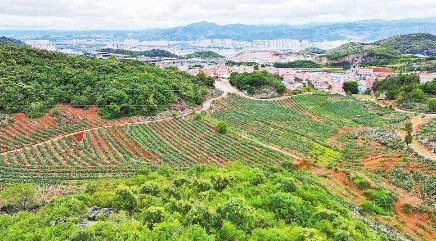
石旮旯里种出“金疙瘩”,省委书记点赞!
Xin Lang Cai Jing· 2025-12-20 15:58
Core Insights - Zhuangzitian Village has transformed from a stone desert with over 80% rocky land to a thriving community through the innovative cultivation of edible cacti, leading to an average annual income increase of over 30,000 yuan per person [2][4][12] Group 1: Economic Transformation - The village has planted over 5,000 acres of edible cacti, significantly improving the local economy and turning previously barren land into productive agricultural space [2][9] - The local government has implemented a model combining party leadership, cooperatives, and community involvement to enhance agricultural productivity and sustainability [4][12] Group 2: Community Engagement - All 106 households in the village have invested in over 3,000 acres of land, with 100% of residents becoming shareholders, ensuring that everyone benefits from the economic growth [12][14] - The return of migrant workers has addressed the issue of "hollow villages," with many choosing to invest in local agriculture [14][16] Group 3: Sustainable Practices - The village has adopted a "three 100%" model, ensuring full participation in resource management and employment opportunities for all residents [12][14] - A comprehensive approach to cactus cultivation has been established, including unified planning, seedling management, and profit-sharing, creating a community-based economic model [16][17] Group 4: Future Projections - The cactus industry is projected to generate over 15 million yuan in sales by 2025, with a significant portion of the revenue benefiting the local community [17][18] - The village's success serves as a model for other regions facing similar ecological challenges, demonstrating that sustainable practices can lead to economic prosperity [18][19]
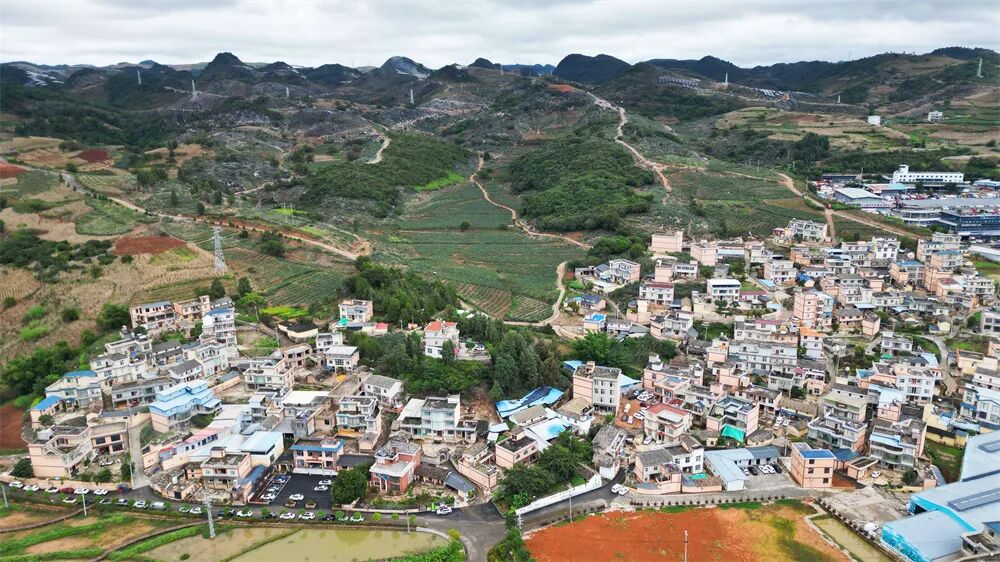
“不当厂长当村长”,是谁带着全村在石旮旯里“捣鼓”仙人掌?
Xin Lang Cai Jing· 2025-12-20 15:58
Core Viewpoint - The transformation of Zhuangzitian village, led by village secretary Lu Chunhong, showcases a successful model of rural revitalization through the cultivation of cactus, which has significantly improved the local economy and community well-being [2][6][12]. Group 1: Economic Development - Zhuangzitian village has achieved a 100% return of migrant workers to local employment, addressing the "hollow village" issue [4][6]. - The cactus industry is projected to generate over 15 million yuan in sales by 2025, with an average income increase of 32,000 yuan per person, leading to a total average income of 56,000 yuan [12]. - The cactus industry has driven a threefold increase in per capita income compared to 2022, with cooperative sales expected to reach 17.32 million yuan in 2024 [12]. Group 2: Community Engagement and Leadership - Lu Chunhong, after nearly 20 years in business, returned to his hometown with a vision to uplift the community, leading efforts to develop the cactus industry [6][9]. - The village implemented a "party building + grid governance" strategy, dividing the village into eight grids for better management and community involvement [9][10]. - Lu Chunhong actively engaged with villagers to promote cactus farming, overcoming initial skepticism and resistance [7][9]. Group 3: Infrastructure and Environmental Improvement - The village has made significant strides in environmental restoration, with 95% of barren mountains now green, transforming the landscape [10][12]. - Community efforts have led to the construction of a 2,800 square meter processing plant and improvements in local infrastructure, including 23 kilometers of hardened roads and 7.3 kilometers of sewage pipelines [15]. - Zhuangzitian village has been recognized as a "Green Beautiful Village" in Yunnan Province, reflecting its commitment to sustainable development [15]. Group 4: Future Goals - The village aims to further increase per capita income to over 100,000 yuan, focusing on deep processing of cactus and expanding e-commerce channels [15]. - Plans include promoting the integration of agriculture, culture, and tourism to enhance the village's attractiveness and economic viability [15].

庄子田村“三个100%”联农模式,致富路上不落一人!
Xin Lang Cai Jing· 2025-12-20 15:58
Core Insights - The article highlights the transformation of Zhuangzitian Village from a poverty-stricken area to a model of common prosperity through innovative agricultural practices and community engagement [2][5][9] Group 1: Community Development - Zhuangzitian Village, located in a karst mountainous area, faced severe land degradation with over 80% of its land affected by stoniness, leading to a lack of sustainable livelihoods [1][2] - The village has successfully implemented a "3 100%" model, which includes 100% of the 106 households investing over 3,000 acres of barren land into a cooperative, 100% of 476 residents becoming shareholders, and 100% of migrant workers returning for local employment [2][6][9] Group 2: Agricultural Innovation - The village has a historical tradition of cactus cultivation, which has been revitalized to combat land degradation and generate income, with 5,000 acres of edible cactus now cultivated, leading to an average annual income increase of over 30,000 yuan for more than 470 villagers [5][9] - The establishment of cooperatives and the creation of a brand named "Jing A Niu" have facilitated the standardization of cactus cultivation and marketing, contributing to the village's economic growth [9] Group 3: Tourism and Cultural Events - The village has hosted the Zhuangzitian Cactus Cultural Tourism Festival, attracting over 100,000 visitors last year, which has further boosted local tourism and economic activity [5][9] - The village's efforts have garnered national attention, including features on major media outlets, highlighting its successful transformation into a "net celebrity village" [9]