以色列债券

Search documents
【环时深度】谁在为“多线作战”的以色列埋单?
Huan Qiu Shi Bao· 2025-08-28 22:41
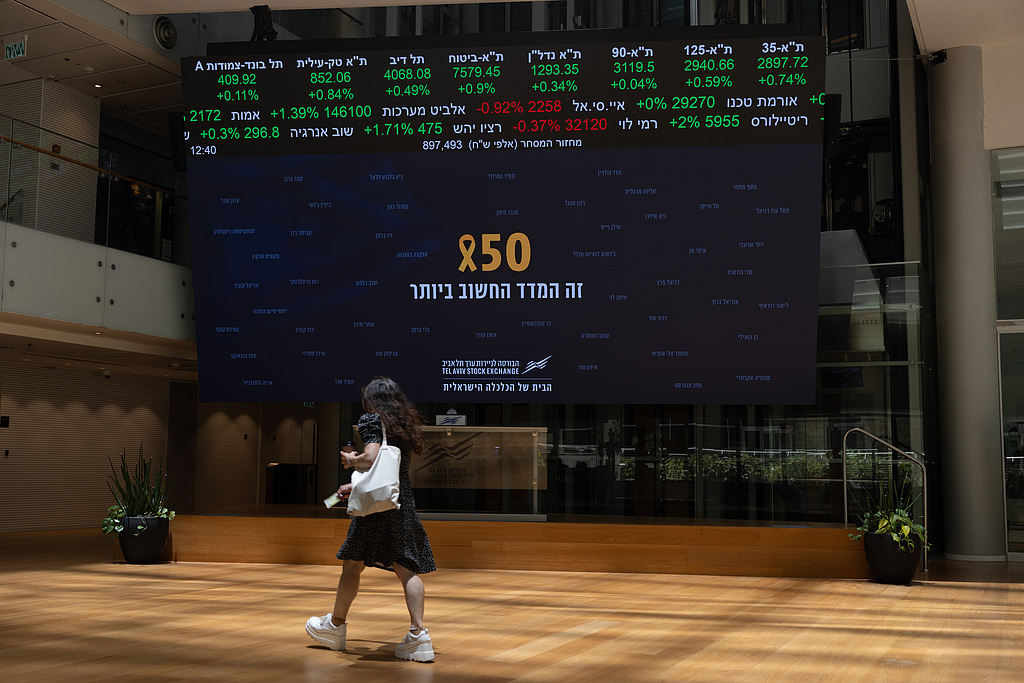
Group 1: Market Performance - The Tel Aviv Stock Exchange has become the fastest-growing stock market globally, with a nearly 30% increase in 2024 and a 34.6% rise in the TA-125 index year-to-date, ranking among the top five worldwide [1][2] - Despite the ongoing conflict, the Israeli stock market has shown resilience, with historical data indicating that the TA-125 index typically rebounds after initial declines during conflicts [2][3] Group 2: Government Debt and Military Spending - Israel's government debt has surged from 1.04 trillion new shekels at the end of 2022 to an estimated 1.25 trillion new shekels by mid-2024, with external debt nearing 70% of GDP [2] - The military budget for 2023 is set at 600 billion new shekels, projected to rise to 1.18 trillion by 2025, indicating a significant increase in defense spending [2] Group 3: Financing Mechanisms - Israel has issued war bonds, informally referred to as "war bonds," to finance military expenditures, with a total of $19.4 billion expected to be raised from October 2023 to January 2025 [5][6] - The U.S. has been a major buyer of these bonds, with approximately $5 billion raised from American public and private investors since the conflict began [6][7] Group 4: Economic Impact and Investor Sentiment - The ongoing conflict has severely impacted key sectors such as technology, agriculture, and tourism, with a reported 45% decline in foreign venture capital investment in Israeli technology in 2024 [9] - Despite the stock market's strong performance, underlying economic issues such as structural unemployment and fiscal imbalances may lead to future economic challenges [3][9] Group 5: International Reactions and Divestment - There is growing pressure from international activists and governments for divestment from Israeli companies, with several major funds and companies cutting ties due to the ongoing conflict [10][11] - The financing model of Israel's war bonds has sparked controversy, with critics arguing that international financial capital supports the continuation of military actions [8][11]