铁穹系统

Search documents
不把中国看在眼里?以色列部署全球首款高功率激光武器
Sou Hu Cai Jing· 2025-12-05 10:37
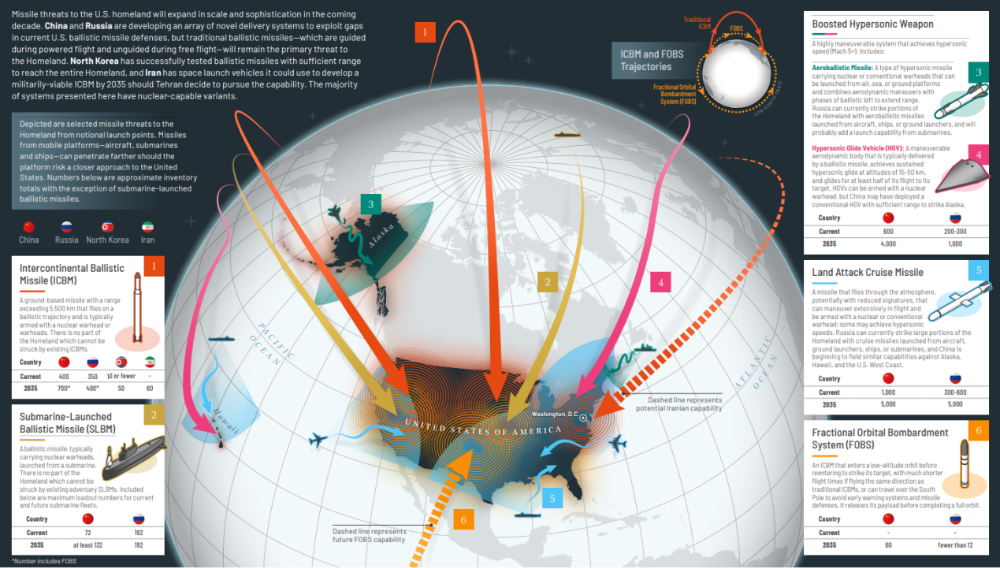
最近,一则来自中东的消息迅速吸引了全球防务观察者的注意:以色列宣布,其研发多年的"铁束"高功 率激光拦截系统,将在2025年12月30日正式交付军方。有以色列媒体随即高调宣称,这将让以色列成 为"全球首个部署高功率激光拦截系统的国家"。但有意思的是,仅仅在三个月前,中国早已在九三阅兵 式上公开展示了已经列装部队的"燎原-1"舰载激光武器,相关装备甚至已经应用了一段时间。那么,为 何以色列还能抢到"全球首个部署"的头衔?这一说法显然值得推敲。 以色列对"铁束"寄予厚望,其原因与其长期面临的复杂安全形势密不可分。环顾以色列周边,南部地区 经常遭遇火箭弹袭扰,北部又面临无人机、反坦克导弹等威胁。过去他们主要依赖"铁穹"系统来拦截这 些目标,虽说成功率不低,但每发拦截弹的成本动辄高达数万美元,应对密集攻击时既昂贵又吃力,而 且也存在拦截盲区。特别是那些射程极短的迫击炮弹、小型无人机,"铁穹"的适应性明显不足。正是这 个痛点,让以色列早在2010年便启动了激光拦截系统的研发,并联合国内两大军工企业展开攻关。他们 没有走其他国家常见的"单台提升大功率"的路线,而是采用了独特的叠阵式加合束技术方案。 简单来说,就是把许多小 ...

谁在为“多线作战”的以色列埋单?
Sou Hu Cai Jing· 2025-08-30 16:32
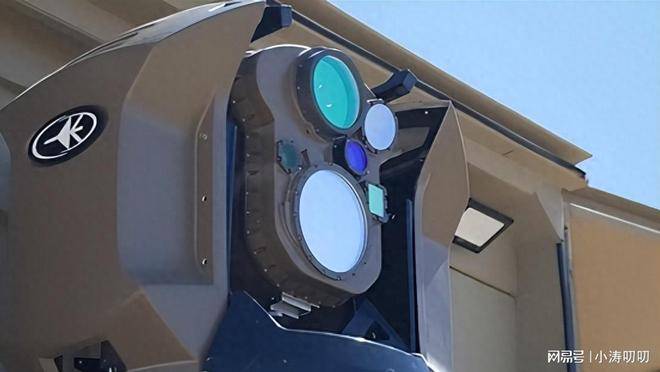
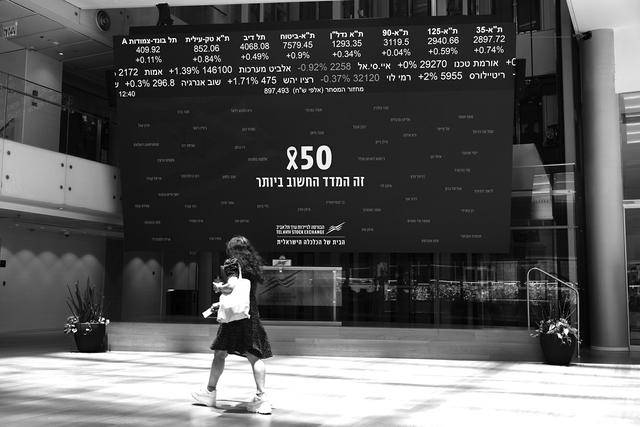
2023年10月新一轮巴以冲突爆发初期,以色列国防部在48小时内征召30万名预备役军人,成为该国有史 以来最大规模征兵,此后又迅速补招6万预备役。以色列《新消息报》报道称,这30多万预备役军人每 日光是薪资和食宿支出便超过1亿新谢克尔(1新谢克尔约合0.3美元),加上战损等间接成本以及装 备、弹药和作战行动等花费,每天总支出约为10亿新谢克尔。以色列财经媒体《卡尔卡利斯特》援引政 府内部文件报道称,截至2024年年底,以色列在加沙和黎巴嫩战线上直接与间接支出总额已达约2500亿 新谢克尔。 6月25日,以色列特拉维夫证券交易所内的数字屏幕上除了交易数据,中间还写着"他们比什么都重 要","50"指当时被巴勒斯坦伊斯兰抵抗运动(哈马斯)扣押的以方人员人数。(视觉中国) 本报驻以色列特约记者 张 灏 本报记者 唐 亚 编者的话:自2023年10月7日巴以新一轮大规模冲突爆发以来,以色列一度在"七条战线"作战。眼下, 以军仍在加沙持续打击巴勒斯坦伊斯兰抵抗运动(哈马斯)有生力量,并不时空袭也门、叙利亚、黎巴 嫩等多地。然而,在战争持续的背景下,以色列股市却屡创新高。《以色列时报》近日报道称,2024 年,特拉维夫证 ...
【环时深度】谁在为“多线作战”的以色列埋单?
Huan Qiu Shi Bao· 2025-08-28 22:41
Group 1: Market Performance - The Tel Aviv Stock Exchange has become the fastest-growing stock market globally, with a nearly 30% increase in 2024 and a 34.6% rise in the TA-125 index year-to-date, ranking among the top five worldwide [1][2] - Despite the ongoing conflict, the Israeli stock market has shown resilience, with historical data indicating that the TA-125 index typically rebounds after initial declines during conflicts [2][3] Group 2: Government Debt and Military Spending - Israel's government debt has surged from 1.04 trillion new shekels at the end of 2022 to an estimated 1.25 trillion new shekels by mid-2024, with external debt nearing 70% of GDP [2] - The military budget for 2023 is set at 600 billion new shekels, projected to rise to 1.18 trillion by 2025, indicating a significant increase in defense spending [2] Group 3: Financing Mechanisms - Israel has issued war bonds, informally referred to as "war bonds," to finance military expenditures, with a total of $19.4 billion expected to be raised from October 2023 to January 2025 [5][6] - The U.S. has been a major buyer of these bonds, with approximately $5 billion raised from American public and private investors since the conflict began [6][7] Group 4: Economic Impact and Investor Sentiment - The ongoing conflict has severely impacted key sectors such as technology, agriculture, and tourism, with a reported 45% decline in foreign venture capital investment in Israeli technology in 2024 [9] - Despite the stock market's strong performance, underlying economic issues such as structural unemployment and fiscal imbalances may lead to future economic challenges [3][9] Group 5: International Reactions and Divestment - There is growing pressure from international activists and governments for divestment from Israeli companies, with several major funds and companies cutting ties due to the ongoing conflict [10][11] - The financing model of Israel's war bonds has sparked controversy, with critics arguing that international financial capital supports the continuation of military actions [8][11]
特朗普要搞“星球大战2.0”,物理学家却说违反基本定律
Hu Xiu· 2025-06-30 01:54
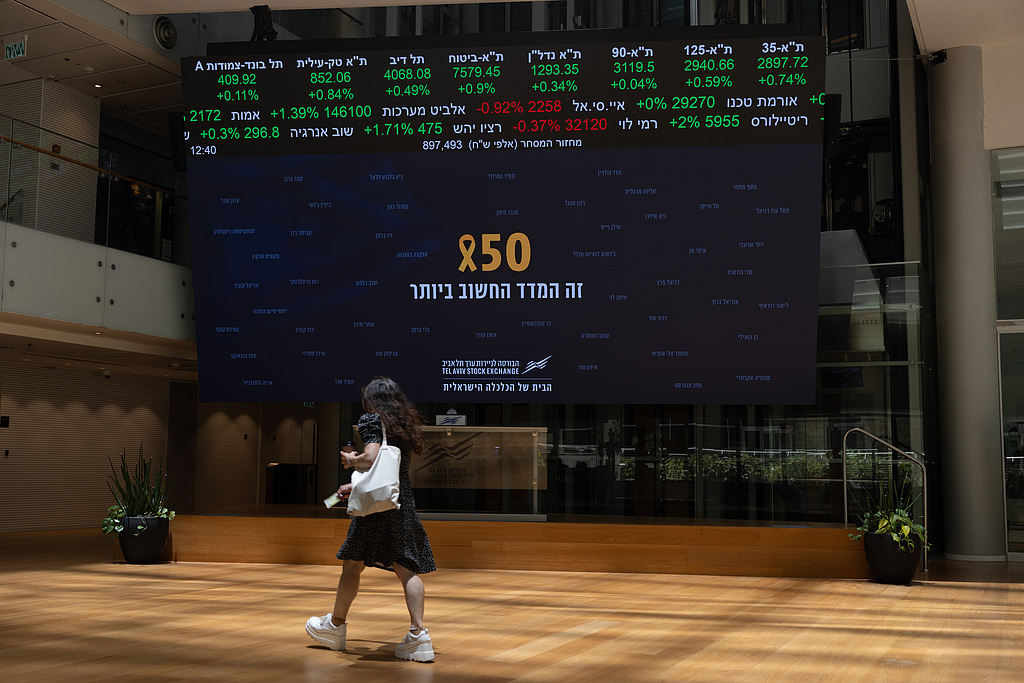
Core Points - The "Golden Dome" missile defense system is proposed by President Trump, aiming to create the "best missile defense system in history" with nearly 100% protection against various missile threats [1][3][4] - The estimated cost of the project is approximately $175 billion, with a goal to be operational within three years [2][29] - The system intends to integrate existing missile defense systems and develop new technologies, including space-based interceptors and advanced sensors [14][21] Group 1: Project Overview - The "Golden Dome" project aims to construct a global, multi-layered missile defense system to intercept threats from various sources [5][13] - It is designed to counter six main types of missile threats, including intercontinental ballistic missiles, submarine-launched ballistic missiles, hypersonic weapons, cruise missiles, and orbital bombardment systems [6][12][22] Group 2: Technical Aspects - The proposed defense system will consist of three layers: a sensing layer for detection, a command and control network for decision-making, and a strike layer for interception [13][14] - The system is expected to require the deployment of approximately 1,000 satellites for effective monitoring and tracking of incoming missiles [14][27] Group 3: Historical Context - The "Golden Dome" plan is compared to the "Star Wars" initiative from the Reagan era, which aimed to develop a comprehensive missile defense system but was ultimately terminated due to high costs and technological challenges [19][21] - Similarities include the strategic goal of creating a layered defense system and the reliance on space-based technologies [24][25] Group 4: Industry Implications - The project has garnered interest from major defense contractors like Lockheed Martin and Raytheon, who are developing solutions to support the initiative [29][30] - The potential long-term costs of the "Golden Dome" system could exceed $500 billion, raising concerns about its financial viability [24][30] Group 5: Expert Opinions - Experts express skepticism regarding the feasibility of achieving near 100% interception rates, citing physical laws and the complexity of intercepting advanced missile technologies [31][32] - The American Physical Society has raised concerns about the practicality of the proposed technologies, suggesting that the challenges may lead to a fate similar to that of the "Star Wars" program [31][32]