
伊朗与奥斯曼的艺术杰作展览

Search documents
浦美的卢浮宫大展在精美华丽之外,蕴藏着怎样的深意?
Xin Lang Cai Jing· 2026-01-18 01:56
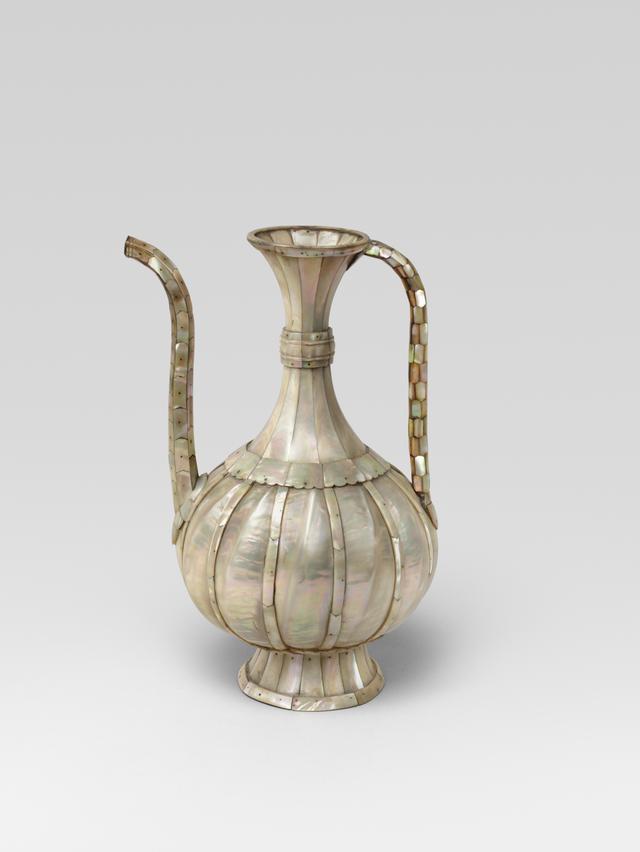
Core Viewpoint - The exhibition "The Miracle of Patterns: Masterpieces of Indian, Iranian, and Ottoman Art from the Louvre" is a significant collaboration between the Pudong Museum of Art and the Louvre, marking the first large-scale exhibition of the Louvre in Shanghai, showcasing over 300 artifacts spanning from the 16th to 19th centuries [1] Group 1: Exhibition Overview - The exhibition features a diverse range of over 300 pieces from the Louvre's collection, including ceramics, jewelry, jade, glassware, metalwork, carpets, calligraphy, paintings, sculptures, and wooden carvings [1] - The exhibition is notable for including several pieces that have never been publicly displayed before, highlighting the uniqueness of the collection [1] Group 2: Artistic and Cultural Context - The exhibition is organized thematically, showcasing the artistic achievements of the Mughal Empire, Safavid and Qajar dynasties of Iran, and the Ottoman Empire, emphasizing both regional characteristics and commonalities in Islamic art [8][10] - The first section focuses on Mughal jade craftsmanship, which flourished under the reign of Emperor Jahangir and continued to develop under Shah Jahan and Aurangzeb [10][11] Group 3: Design and Presentation - The exhibition design, led by renowned French designer Cécile Degos, aims to create an immersive experience, using color, light, and spatial variations to evoke the feeling of opening a jewelry box [8] - The overall environment is designed to be dimly lit, with specific colors assigned to each exhibition unit to convey a unique atmosphere [8] Group 4: Artistic Techniques and Influences - The Mughal artisans developed unique techniques such as the kundan technique, which involved inlaying precious stones into softer jade, creating intricate patterns [11] - The Safavid dynasty, contemporaneous with the Mughal Empire, absorbed artistic influences from both Europe and China, leading to a rich exchange of artistic styles [12] Group 5: Emotional and Historical Resonance - The exhibition aims to connect with the audience on an emotional level, illustrating that the artifacts reflect everyday life and emotions from centuries ago, making them relatable to contemporary viewers [19] - The final piece of the exhibition is a one-to-one replica of an interior space decorated in Islamic art style, symbolizing the idea that patterns can represent life itself [19]

卢浮宫上海办大展,浦东美术馆里有哪些伊斯兰艺术珍品?
Di Yi Cai Jing· 2025-12-15 02:48
Core Viewpoint - The exhibition "The Miracle of Patterns: Masterpieces of Indian, Iranian, and Ottoman Art from the Louvre" will be held at the Pudong Art Museum from December 13 to May 6 of the following year, marking the first large-scale exhibition by the Louvre in Shanghai [1] Group 1: Exhibition Overview - The exhibition features three major empires that represent Islamic culture: the Mughal Empire, the Safavid Empire, and the Ottoman Empire, showcasing their unique aesthetic while sharing a common artistic language [3] - The exhibition is divided into three sections, highlighting Indian art (Mughal Empire), Iranian art (Safavid and Qajar dynasties), and Ottoman art, with connections to Chinese art evident throughout [6] Group 2: Historical Context and Influences - The exhibition begins with pieces from King Louis XIV's collection, which includes artifacts from the Mughal and Ottoman empires that were used to decorate royal palaces, forming a core part of the Louvre's collection [4] - The Safavid period saw a flourishing of artistic creation driven by increased trade and mass production, with ceramics reflecting a variety of motifs and techniques, including imitations of Chinese blue-and-white porcelain [6][8] - Ottoman artisans in Iznik drew inspiration from Chinese porcelain, starting around 1470, and their ceramics evolved to include a rich color palette while initially mimicking Chinese styles [8] Group 3: Artistic Traditions and Literature - The exhibition illustrates the deep literary traditions of these empires, with artifacts depicting poetic scenes that reflect the cultural significance of poetry in their daily lives [11] - Calligraphy held a prominent place in Ottoman art, with documents showcasing intricate designs that serve both decorative and symbolic purposes [13] - The final section of the exhibition emphasizes the unique and rich aesthetic of these cultures, which continues to inspire contemporary art and design, as seen in the works of modern designers like Louis Cartier [15]
