佳达修4

Search documents
国产九价HPV疫苗北京“首针”落地,北大医院毕蕙:国内接种率低,不仅仅因为价格
Mei Ri Jing Ji Xin Wen· 2025-12-05 07:24
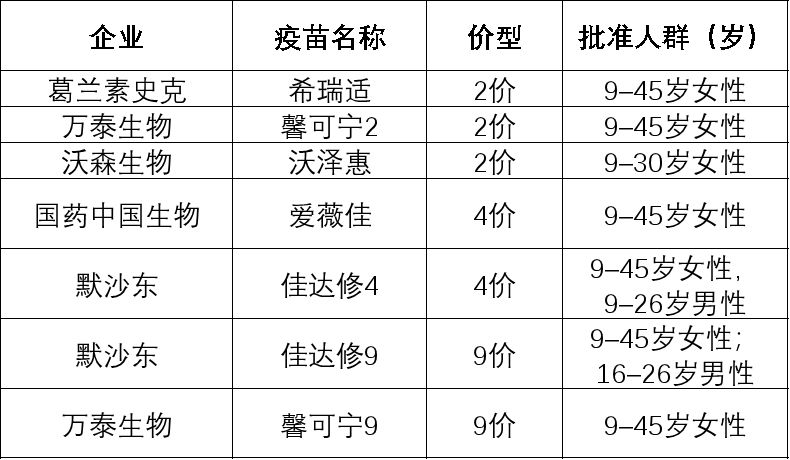
Core Insights - The first domestic nine-valent HPV vaccine was officially administered in Beijing on December 4, marking a significant step in cervical cancer prevention efforts in China [1] - Despite the approval of multiple HPV vaccines, the overall vaccination rate in China remains below the global average, indicating challenges in public awareness and accessibility [2][10] Industry Overview - China has the largest variety of HPV vaccines globally, with two domestic bivalent vaccines having received WHO pre-qualification, ensuring their safety and efficacy [2][3] - The vaccination coverage rates for HPV among women aged 9-45 in mainland China were reported at 10.15% for the first dose and 6.21% for the full series in 2022, with only 4.00% for girls aged 9-14 [3] Public Health Goals - The WHO's 2020 strategy aims for 90% of girls to complete HPV vaccination by age 15 by 2030, with a target incidence rate of cervical cancer below 4 cases per 100,000 women [4][7] - Countries with high vaccination coverage, such as Australia and Finland, have seen cervical cancer rates drop significantly, demonstrating the effectiveness of vaccination and screening programs [7] Challenges and Opportunities - Public awareness and willingness to vaccinate remain low, with factors such as pricing and lack of information contributing to the hesitance [10][11] - The inclusion of HPV vaccines in the national immunization program aims to provide free vaccinations for eligible girls, potentially increasing uptake [8] Recommendations for Improvement - Enhanced public education initiatives are necessary to inform parents about the importance of HPV vaccination, particularly targeting the appropriate age for administration [10][11] - A comprehensive management system integrating health consultation, vaccination, screening, and treatment is recommended to improve overall cervical cancer prevention efforts [11]