HPV疫苗

Search documents
婚后打HPV疫苗没用?专家回应
21世纪经济报道· 2026-03-18 13:24
Core Viewpoint - The article emphasizes the importance of HPV vaccination and regular cervical cancer screening for women, debunking common misconceptions about the vaccine's effectiveness and necessity. Group 1: HPV Vaccination Progress - Various regions in China have initiated HPV vaccination projects, with the vaccine included in the national immunization program starting in 2025, providing free vaccinations for girls aged 13 [1]. - As of February 2026, provinces have begun vaccine procurement and are rolling out free vaccination services, with HPV vaccines available at regular vaccination sites [1]. Group 2: Misconceptions about HPV Vaccination - The claim that "getting the HPV vaccine after marriage is useless" is incorrect; the vaccine can still provide protection against uninfected HPV types even if a woman has been previously infected [2]. - The notion that "vaccination eliminates the need for cervical cancer screening" is also false; both vaccination and regular screening are essential for effective cervical cancer prevention [2]. - Women aged 35 to 64 are encouraged to undergo regular cervical cancer screenings, as the vaccine does not cover all HPV types and cannot clear existing infections [2].


专访冯子健:疫苗行业严重内卷、公众接种意愿下降,如何破局
第一财经· 2026-03-17 12:11
Core Viewpoint - The recent expansion of the National Immunization Program (NIP) in China, as outlined in the 15th Five-Year Plan, is expected to significantly benefit the vaccine industry, which is currently facing challenges such as declining vaccination rates and intense competition [3][5]. Group 1: National Immunization Program Expansion - The NIP aims to dynamically optimize the types of vaccines included, which is a cost-effective measure to combat infectious diseases and will be funded by the government [3][4]. - The inclusion of vaccines like the HPV vaccine in the NIP marks a significant step, but many internationally recommended vaccines for children and adults are still not covered in China [5][6]. - Current spending on childhood vaccines in China is only $50 per capita annually, compared to $585 in Argentina and $336 in Brazil, indicating a substantial gap in investment [5]. Group 2: Industry Challenges and Competition - The domestic vaccine industry is currently in a downturn, characterized by fierce price competition that has not led to increased vaccination rates [7][8]. - The issue of homogenized competition is identified as a root cause of the industry's "involution," where multiple companies produce the same vaccine, leading to market saturation [8]. - The global vaccine market is highly concentrated, with major companies like Merck, Pfizer, GSK, and Sanofi controlling 71% of the market share, suggesting a need for similar consolidation in China [8]. Group 3: Public Perception and Vaccination Willingness - Public willingness to vaccinate is declining, potentially due to trust issues regarding vaccine safety and effectiveness, necessitating deeper investigation into these concerns [9]. - Transitioning from self-paid to publicly funded vaccinations is expected to significantly increase vaccination rates by removing financial barriers and enhancing public trust [9]. Group 4: Improving Vaccination Accessibility - The vaccination system in China is shifting towards covering all life stages, but there are still barriers to increasing adult vaccination rates [10][11]. - The ideal model for increasing vaccination rates involves integrating vaccination services into family doctor systems, which have proven effective in other countries [11]. - Current regulations on vaccination service points may hinder the expansion of vaccination services, suggesting a need for more flexible requirements to encourage participation from healthcare providers [12].
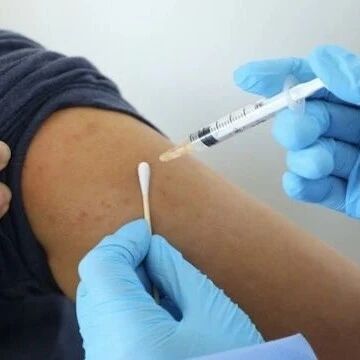
疫苗费用不报销,疾控局局长呼吁多渠道筹资
第一财经· 2026-03-16 13:55
Core Viewpoint - The article emphasizes the need to diversify funding sources for vaccination programs in China, particularly by incorporating health insurance into the financing channels for vaccines, as highlighted by the National Health Commission's recent statements [3][4]. Group 1: Vaccine Funding and Policy - The National Health Commission's director, Shen Hongbing, advocates for a multi-channel funding approach for vaccines, including fiscal and health insurance sources, to enhance accessibility and coverage of preventive vaccines like influenza [3][5]. - The current reliance on single fiscal sources for vaccine funding may hinder the sustainable development of immunization programs, as evidenced by the low vaccination rates for non-immunization program vaccines compared to those under the national immunization plan [5][6]. - The article notes that the vaccination coverage for non-immunization program vaccines is significantly lower, with rates around 40% or even less for certain vaccines, while the coverage for national immunization program vaccines remains above 90% [5][6]. Group 2: Legal and Regulatory Challenges - The integration of health insurance funding for vaccines faces legal constraints, as current laws exclude preventive vaccines from basic medical insurance coverage, necessitating potential revisions to existing regulations [6][7]. - The article discusses the need for a shift in the legal framework to allow health insurance to cover vaccines, which would require changes to laws such as the Social Insurance Law and the Interim Measures for the Management of Basic Medical Insurance Drugs [7][8]. Group 3: Economic and Health Benefits - Research indicates that the return on investment for vaccines in low- and middle-income countries can be as high as 1:44, underscoring the economic benefits of preventive measures [9]. - The article highlights the structural imbalance in health spending, where there is a tendency to prioritize treatment over prevention, which affects the implementation of disease prevention strategies [9]. - The consensus from health experts suggests leveraging health insurance policies to encourage preventive care, proposing models like bundled payments or outcome-based payments to incentivize vaccination and preventive services [9].

说服成年人接种疫苗,还有哪些堵点?
第一财经· 2026-03-10 15:21
Core Viewpoint - The article emphasizes the importance of adult vaccination in China, highlighting the shift from a child-centric immunization program to a life-cycle approach, while noting the challenges in public awareness and service delivery for adult vaccines [2][3]. Group 1: Current State of Adult Vaccination - China's vaccination system is transitioning to cover all age groups, with significant progress in adult vaccines like HPV and influenza, but there is still a lack of awareness regarding shingles vaccines [2]. - Adult vaccines currently used in China include measles-containing vaccines, hepatitis vaccines, encephalitis vaccines, influenza vaccines, pneumococcal polysaccharide vaccines, varicella vaccines, shingles vaccines, cholera vaccines, HPV vaccines, rabies vaccines, tetanus vaccines, and COVID-19 vaccines [2]. Group 2: Challenges in Adult Vaccination - Most adult vaccines are not part of the national immunization program, leading to confusion among healthcare providers and the public regarding eligibility and contraindications [3]. - There is a lack of scientific understanding among grassroots health workers about adult vaccines, which, along with public misconceptions, hinders vaccination rates [3]. Group 3: Innovations in Vaccination Delivery - Some regions are piloting a vaccine prescription model, allowing healthcare professionals to prescribe vaccines based on individual health needs, which is seen as a key step towards integrating medical and preventive care [3]. - The National Disease Control Bureau has announced plans to explore vaccine prescriptions for suitable populations, with pilot programs already initiated in several provinces [3]. Group 4: Bottlenecks in Implementation - Despite positive pilot results in Shandong, challenges remain, including unclear vaccine definitions, difficulties in integrating disease control and clinical care systems, insufficient evidence-based support, and legal constraints on funding mechanisms [4][6]. - Experts suggest that legal and policy frameworks need to be revised to clarify vaccine definitions and establish a coordinated system between disease control and clinical practices [6]. Group 5: Recommendations for Improvement - To enhance the effectiveness of vaccine prescriptions, a multi-faceted approach is recommended, including building a reliable vaccine education system, incorporating prescription capabilities into healthcare performance assessments, and establishing mechanisms for prescription recognition between medical and vaccination services [6].
撕掉HPV病耻的Z世代男孩
虎嗅APP· 2026-03-07 13:30
Core Viewpoint - The article emphasizes that HPV is not solely a women's issue and highlights the importance of awareness and prevention among men, as well as the need to combat the stigma associated with HPV [7][19][20]. Group 1: HPV Awareness and Stigma - The discussion around HPV has shifted, with younger generations openly addressing the topic, breaking the stigma that it is solely a women's concern [6][19]. - The article illustrates personal stories of men who have been diagnosed with HPV, showcasing the emotional and physical struggles they face, which often stem from societal shame [9][11][22]. - It argues that the real challenge in combating HPV is not the virus itself but the deep-rooted shame and misconceptions surrounding it [8][19]. Group 2: HPV Transmission and Impact - HPV is highly contagious and can be transmitted through various means beyond sexual contact, including skin-to-skin contact and shared personal items [15][16]. - A significant percentage of men, approximately 31%, are infected with at least one type of genital HPV, which challenges the notion that HPV is linked only to promiscuity [16][18]. - Persistent HPV infections in men can lead to serious health issues, including several types of cancer, emphasizing the need for awareness and proactive health measures [21][22]. Group 3: Prevention and Vaccination - The article highlights the low vaccination rates for HPV in China, with only 10.15% for the first dose and 6.21% for the third dose as of 2022, which is significantly below the global average [32]. - The introduction of HPV vaccines for men marks a new phase in public health, but accessibility and societal attitudes towards vaccination remain barriers [32][33]. - It stresses the importance of not only increasing vaccination rates but also changing societal perceptions to encourage men to take responsibility for their health [33].

中国女性私密健康白皮书:聆听「她声音」,看见万种可能
Ai Rui Zi Xun· 2026-03-06 02:19
Investment Rating - The report does not explicitly provide an investment rating for the industry. Core Insights - The report highlights the dual benefits of policy support and rising consumer demand in the women's intimate health sector, driven by the implementation of the "National Women's Development Outline (2021-2030)" [10] - It emphasizes the need for a comprehensive understanding of women's intimate health across different life stages, introducing the PMBRF model to decode women's health needs [19][24] - The report predicts a significant growth period for the industry, characterized by demand upgrades, supply iterations, and market restructuring [12] Summary by Sections 1. Industry Development Status - The women's intimate health sector is evolving, with a focus on breaking down cognitive barriers and enhancing health management throughout women's life cycles [10][28] - The PMBRF model is introduced, which encompasses five dimensions: Physical Health, Mental Health, Behavior, Relationship, and Feeling, to provide a holistic view of women's health [19][24] 2. User Insights - The user research involved 1,600 samples and 8 in-depth interviews, revealing that most respondents are married women with a good understanding of intimate health [45][46] - The average annual spending on intimate health products/services is approximately 8,240.0 yuan, indicating a strong purchasing power among the surveyed group [46] 3. Case Studies - The report does not provide specific case studies but discusses the overall trends and dynamics within the industry. 4. Development Trends - The report identifies three key trends: demand upgrades driven by awareness, supply-side innovations focusing on personalized and comprehensive services, and a shift towards a more mature market ecosystem [12][32] - The integration of technology and improved service quality is highlighted as a significant factor in the industry's evolution [32][33] 5. Expert Insights - The report includes insights from industry experts, emphasizing the importance of addressing the stigma surrounding women's intimate health issues and the need for better education and awareness [35][36]
8点1氪:寿司郎被曝吃出寄生虫卵,当地市监局通报;全国人大代表建议尽量不要调休;谷歌DeepMind高管公开邀请千问团队入职
36氪· 2026-03-06 00:31
Group 1 - Sushi restaurant Sushi Lang was reported to have served a dish containing parasitic eggs, leading to an investigation by the local market supervision bureau [2][3] - A consumer claimed to have found parasitic eggs in tuna after waiting three hours to eat at Sushi Lang, prompting a response from the restaurant's management regarding potential medical compensation [3] - The market supervision bureau emphasized its commitment to protecting consumer rights and will take strict action against any violations [4] Group 2 - Xiaomi's founder Lei Jun stated that the rising demand for AI has led to increased prices for storage chips, putting pressure on the company's mobile business [5] - Alibaba denied rumors of a mass departure from its AI team, asserting that the team remains stable and operational [5] - JD Group's CEO revealed that the company's investment in food delivery services will decrease compared to the previous year, aiming for improved operational efficiency [6] Group 3 - Iran's Islamic Revolutionary Guard Corps announced a ban on U.S., Israeli, and European vessels from passing through the Strait of Hormuz, citing wartime rights [7] - The U.S. stock market saw a collective decline, with major indices falling, and Bilibili's stock dropping over 7% [7] - Silver prices fell below $81 per ounce, marking a 3.09% decrease [8] Group 4 - OpenAI's annual revenue surpassed $25 billion, reflecting a 17% increase from the previous year, although competition with Anthropic is intensifying [10] - Israel plans to reopen its airspace for outbound flights starting March 8, contingent on security assessments [10] - Apple's new MacBook Neo is priced to fall within the range of government subsidies, potentially costing around 3000 yuan after subsidies [11] Group 5 - JD Logistics reported a revenue of 217.1 billion yuan for 2025, marking an 18.8% year-on-year increase [24] - JD Health achieved a total revenue of 73.4 billion yuan in 2025, reflecting a 26.3% growth [25] - Hightu Group's revenue for 2025 reached 6.15 billion yuan, a 35% increase year-on-year [22]


2025 生物医药大洗牌:有人狂赚百亿,有人亏光底裤,伪创新终被打脸
Sou Hu Cai Jing· 2026-02-26 07:46
Core Insights - The A-share biopharmaceutical sector in 2025 is characterized by extreme polarization, with some companies experiencing profit surges while others face significant losses, indicating a harsh competitive landscape [2][3] Group 1: Profit and Loss Distribution - As of February 2, 2025, among 275 listed pharmaceutical companies that released performance forecasts, 138 are expected to be profitable while 137 are projected to incur losses, reflecting a near-even split [4] - WuXi AppTec is anticipated to lead in profitability with a projected net profit of 19.151 billion yuan, significantly outpacing its peers [5] - Conversely, Zhifei Biological is expected to report a staggering loss of 10.698 billion to 13.726 billion yuan, marking its first annual loss since going public [6] Group 2: Sector Performance Variability - The biopharmaceutical industry is witnessing a stark contrast in performance across different segments, with the medical outsourcing sector emerging as a major success story, exemplified by WuXi AppTec's projected revenue growth of 15.84% [7] - Innovative drug companies like Rongchang Biologics and Nuo Cheng Jianhua have successfully turned losses into profits, indicating a recovery in the innovative drug sector [8] - The vaccine sector, however, is facing severe challenges, with Zhifei Biological's massive losses highlighting the decline in this area [9][10] Group 3: Growth Drivers for Profitable Companies - Companies achieving growth amidst a slowing industry have focused on core products that can scale effectively, a strategy particularly evident among innovative drug firms [11] - International expansion has become essential, with companies like Nawei Technology and Kexing Pharmaceutical reporting significant revenue increases from overseas markets [13] - Effective cost control measures have also contributed to profitability, as seen in companies like Guoyao Yizhi, which closed underperforming stores to enhance overall performance [12] Group 4: Challenges Facing Innovative Drug Companies - A significant number of companies are trapped in a cycle of substantial losses, with Zhifei Biological leading the way in projected losses for 2025 [15] - Price declines have been a common issue, with at least 30 companies citing this as a reason for their losses, exacerbated by intensified competition and the implementation of national drug procurement policies [17][18] - Many small to mid-sized innovative drug companies have struggled due to a lack of differentiated innovation, leading to a failure to secure financing and resulting in cash flow issues [21] Group 5: Industry Dynamics and Future Outlook - The biopharmaceutical industry's polarization is seen as an inevitable outcome of changing core logic, with a shift from quantity to quality in drug approval processes [23][24] - The focus has shifted towards producing innovative drugs that meet unmet clinical needs rather than merely following market trends [25][26] - The year 2025 is viewed as a period of purification for the industry, eliminating "pseudo-innovation" and supporting genuine innovation, thus emphasizing the importance of creating valuable products [27]



中国药企入主瑞科曲线上市,HPV疫苗+创新药能否成为新蓝海?
Ge Long Hui· 2026-02-24 14:05
Group 1 - The company is a leading player in the Chinese pharmaceutical industry, transitioning from a focus on generic drugs to innovative drug differentiation [1][2] - The company has a rich history dating back to 1971, starting as a small factory and evolving into a major industry player by establishing strict quality control standards early on [1][2] - The company experienced explosive growth from 2003 to 2010, with net income increasing fourfold during this period [2] Group 2 - The company maintains a stable annual revenue of approximately 739 billion RMB in 2023, despite facing challenges from national volume-based procurement (VBP) [3][13] - The company employs a "three-drug" strategy, focusing on traditional Chinese medicine, chemical drugs, and biological drugs, with significant advancements in innovative drug development [3][15] - The company has established a global presence through high-quality standards and strategic partnerships, exploring both inbound and outbound internationalization [3][28] Group 3 - The company has a robust product pipeline, particularly in antibiotics, digestive system medications, and cardiovascular drugs, leveraging a strong sales team to capture market share [4][17] - The company has made significant investments in research and development, with annual R&D expenditures estimated between 50 to 70 billion RMB [10][20] - The company is actively pursuing innovative drug development, with a notable focus on DORA, a dual orexin receptor antagonist for insomnia, which is in advanced clinical trials [18][21] Group 4 - The company has a comprehensive organizational structure with over 18,000 employees and multiple subsidiaries focused on production and R&D [6][7] - The company has implemented advanced manufacturing and quality management systems, achieving international certifications and recognition for its quality control practices [25][26] - The company is committed to sustainability and ESG initiatives, including a significant investment in solar energy and various environmental projects [31][35] Group 5 - The company is navigating challenges from regulatory pressures, including a significant antitrust fine in 2021, which has prompted a restructuring of its compliance and marketing strategies [27][34] - The company aims to transform from being the largest generic drug manufacturer in China to a globally competitive innovative pharmaceutical company, requiring ongoing high-intensity R&D investment and international operational strategies [36]
青年早新闻 |春运迎返程高峰,带年货上火车要注意什么?
Xin Lang Cai Jing· 2026-02-23 02:13
Group 1 - The 2026 Milan Winter Olympics concluded with the Chinese delegation achieving its best-ever performance in overseas Winter Olympics, winning a total of 5 gold, 4 silver, and 6 bronze medals [7][10] - The event featured approximately 2,900 athletes from over 90 countries competing in 116 events, highlighting the global participation and competitive spirit [5][7] - Norway topped the medal table with 18 gold, 12 silver, and 11 bronze medals, while the United States and the Netherlands followed in second and third place respectively [10] Group 2 - The 2026 Spring Festival movie box office surpassed 5 billion yuan, with films like "Fast Life 3" and "Silent Awakening" leading the charts [11] - The total annual box office for 2026 has exceeded 7.5 billion yuan, making it the highest-grossing single market globally, surpassing North America [11] Group 3 - The Guangdong province has initiated the HPV vaccination program for girls aged 13, aiming to prevent cervical cancer effectively [11][12] - The vaccination service is available at community health service centers, ensuring accessibility and quality of service for eligible girls [12] Group 4 - The upcoming negotiations between the U.S. and Iran are scheduled for February 26 in Geneva, indicating ongoing diplomatic efforts [17][18]