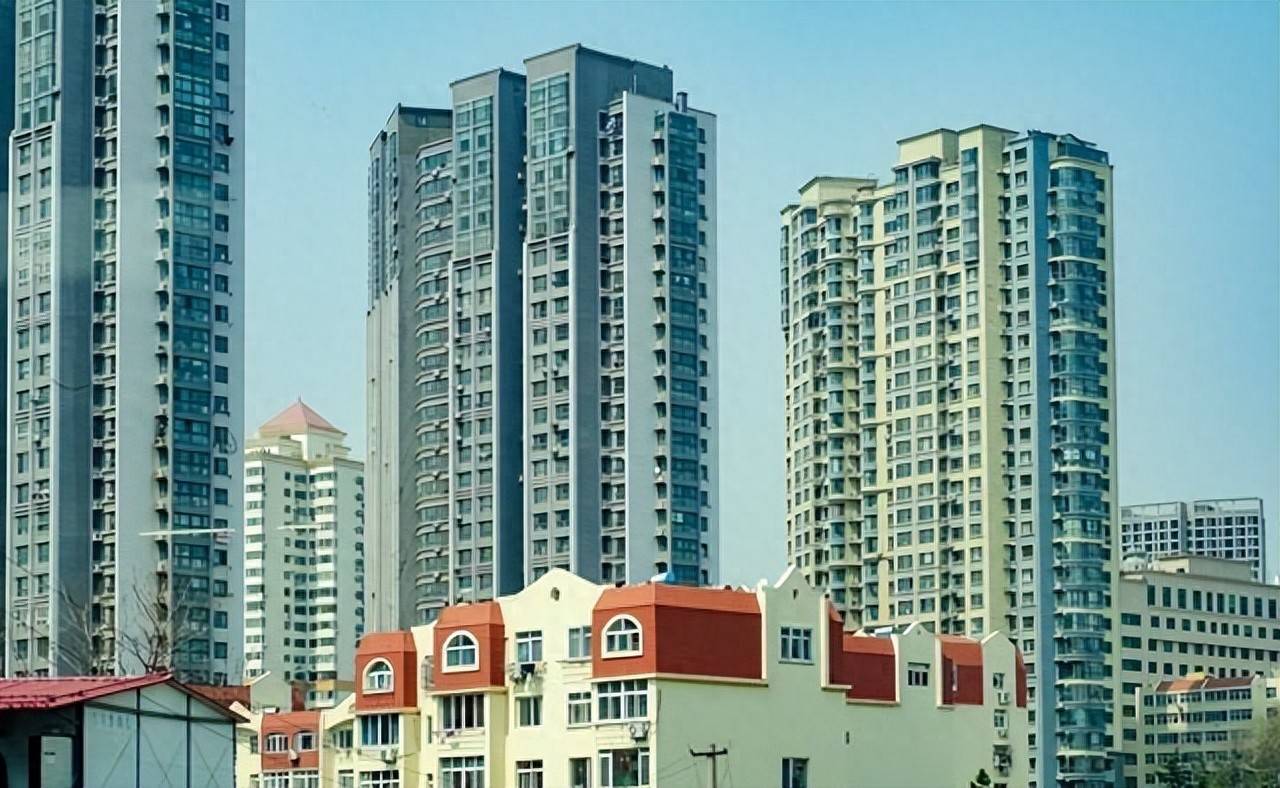
保利海上罗兰

Search documents
灵山湾房价大起大落,投资客血本无归
Sou Hu Cai Jing· 2026-01-20 10:44
Core Viewpoint - The housing prices in Qingdao's Lingshan Bay have experienced significant fluctuations, rising from 7,000 yuan per square meter in 2014 to a peak of 30,000 yuan in 2021, and then dropping back to around 15,000 yuan, illustrating a complete cycle of rapid growth and subsequent correction [1][3][7]. Group 1: Historical Development - Lingshan Bay was initially an inconspicuous fishing village, with the first residential project, Huixiang Garden, completed in 2004, marking the beginning of urban development [1]. - The 2012 administrative restructuring combined Huangdao and Jiaonan, transforming Lingshan Bay into a transportation hub, which attracted developers like Shimao and Jianbang, leading to a steady increase in housing prices [3]. - The price surge began in 2014 when Wanda invested 50 billion yuan to develop the Oriental Movie Metropolis, significantly boosting local real estate demand and prices [3]. Group 2: Market Dynamics - By 2018, the opening of Wanda Plaza and the operation of Metro Line 13 reduced commuting time to one hour, further driving up housing prices as demand surged for sea-view properties [5]. - The peak in 2021 saw prices for sea-view apartments reach 30,000 yuan per square meter, with properties selling out quickly despite rising inventory levels [5]. - Starting in 2022, the market faced an oversupply issue, leading to increased inventory and longer sales cycles, with developers frequently offering discounts [7]. Group 3: Current Trends and Future Outlook - By 2026, housing prices showed significant differentiation, with average prices for ordinary residences dropping to between 12,000 and 15,000 yuan, while premium sea-view properties maintained prices above 25,000 yuan [7]. - The average price for second-hand homes fell to 11,300 yuan, indicating a cooling market with low transaction volumes [7]. - The market is shifting from speculative investment to a focus on practical living costs and commuting efficiency, suggesting a return to rationality in housing demand [7].