光大银行乐惠金准贷记卡

Search documents
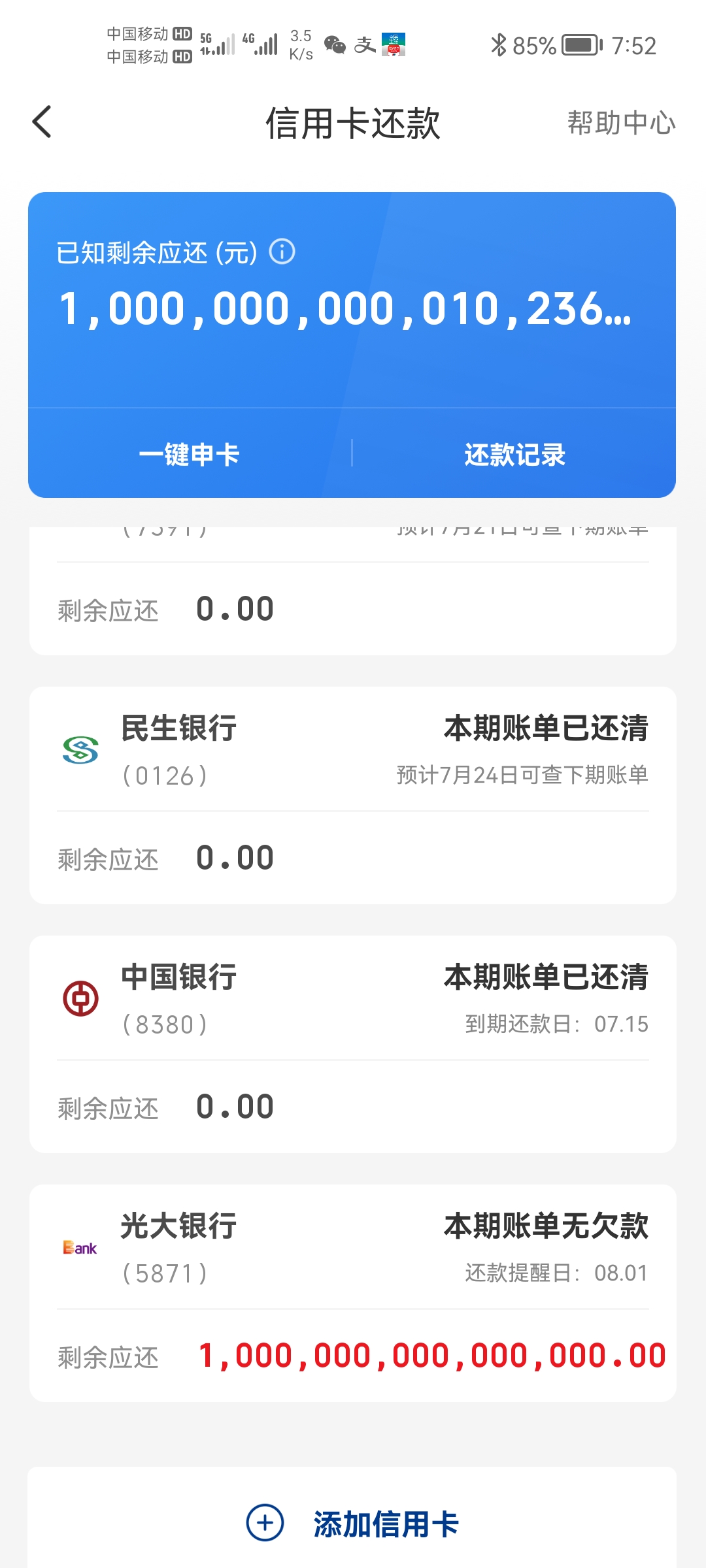
“系统错误”谁来埋单?客户遭遇1000万亿欠款乌龙,律师:确定责任主体和举证是关键
Xin Lang Cai Jing· 2026-01-13 11:10
Core Viewpoint - The incident involving Mr. Qin highlights significant issues related to credit reporting and the implications of erroneous data on personal creditworthiness, leading to severe financial consequences for individuals and businesses. Group 1: Incident Overview - Mr. Qin, a garment factory owner, experienced a credit reporting error in October 2022, where his UnionPay app displayed an outstanding debt of over 1 trillion yuan, causing him distress and financial difficulties [1][4][12]. - The issue originated from a credit card he obtained in 2015, which was used for cash flow management, and despite a good repayment history, he faced loan rejections due to reported credit anomalies [4][6][7]. Group 2: Credit Reporting and Banking Response - The People's Bank of China issued a notice clarifying that the repayment status for quasi-credit cards differs from standard credit cards, indicating that the markings "1" and "2" represent overdrafts rather than delinquencies for quasi-credit cards [10][11]. - Despite the clarification, Mr. Qin's credit issues persisted, leading to multiple loan rejections until the erroneous debt amount was corrected in December 2023 [12][13]. Group 3: Industry Implications - The garment industry in Guangdong is facing challenges, with production in 2023 dropping by approximately 24% compared to 2021, and the province's share of national clothing exports decreasing from 23.05% in 2015 to 14.95% [16]. - The banking sector has responded to similar issues by halting the issuance of quasi-credit cards, indicating a broader recognition of the problems associated with credit reporting and the need for improved data accuracy [17].