银联云闪付App

Search documents
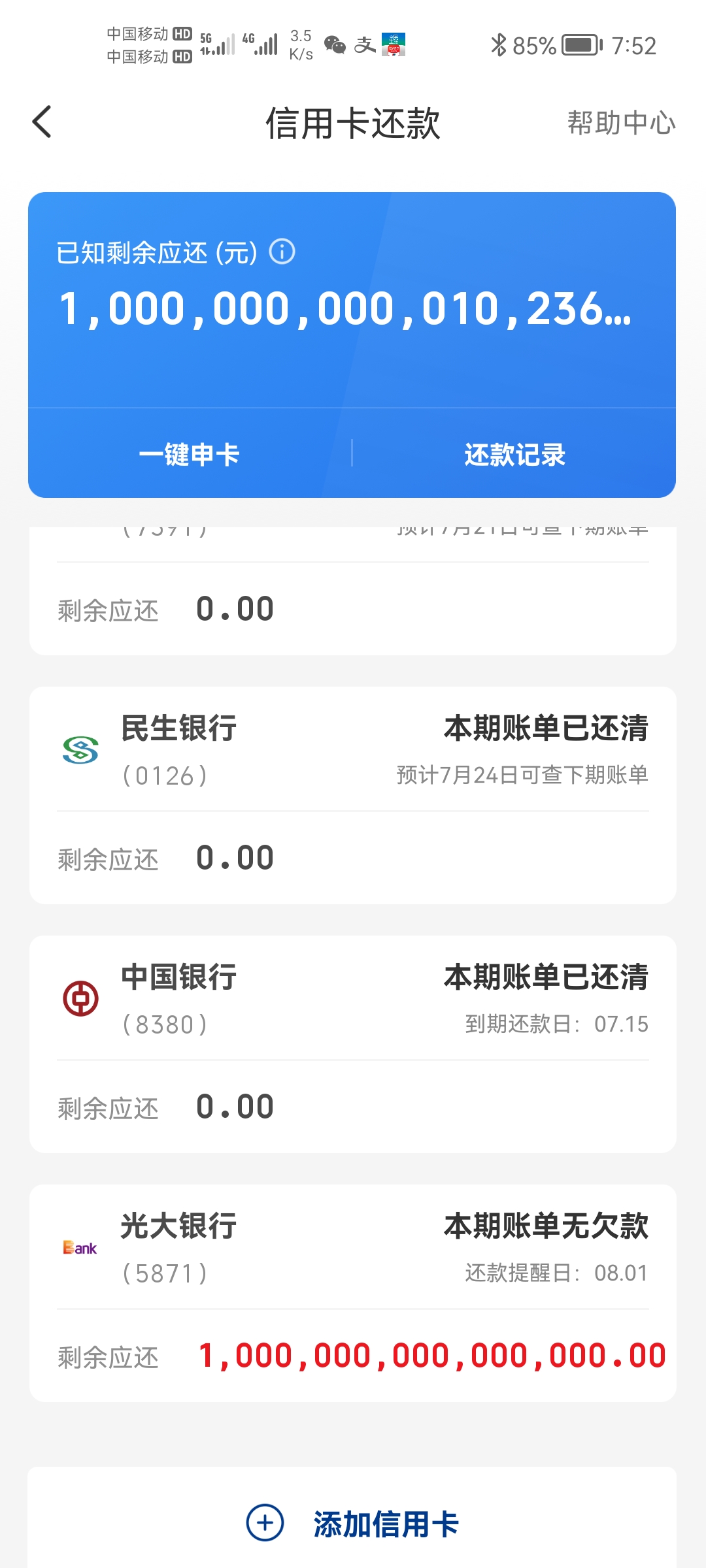
“系统错误”谁来埋单?客户遭遇1000万亿欠款乌龙,律师:确定责任主体和举证是关键
Xin Lang Cai Jing· 2026-01-13 11:10
Core Viewpoint - The incident involving Mr. Qin highlights significant issues related to credit reporting and the implications of erroneous data on personal creditworthiness, leading to severe financial consequences for individuals and businesses. Group 1: Incident Overview - Mr. Qin, a garment factory owner, experienced a credit reporting error in October 2022, where his UnionPay app displayed an outstanding debt of over 1 trillion yuan, causing him distress and financial difficulties [1][4][12]. - The issue originated from a credit card he obtained in 2015, which was used for cash flow management, and despite a good repayment history, he faced loan rejections due to reported credit anomalies [4][6][7]. Group 2: Credit Reporting and Banking Response - The People's Bank of China issued a notice clarifying that the repayment status for quasi-credit cards differs from standard credit cards, indicating that the markings "1" and "2" represent overdrafts rather than delinquencies for quasi-credit cards [10][11]. - Despite the clarification, Mr. Qin's credit issues persisted, leading to multiple loan rejections until the erroneous debt amount was corrected in December 2023 [12][13]. Group 3: Industry Implications - The garment industry in Guangdong is facing challenges, with production in 2023 dropping by approximately 24% compared to 2021, and the province's share of national clothing exports decreasing from 23.05% in 2015 to 14.95% [16]. - The banking sector has responded to similar issues by halting the issuance of quasi-credit cards, indicating a broader recognition of the problems associated with credit reporting and the need for improved data accuracy [17].


“银联模式”出海有术 推动二维码互联互通
Shang Hai Zheng Quan Bao· 2025-09-17 19:28
Core Insights - The article discusses the importance of establishing mutual recognition and interoperability of QR code standards for cross-border payments, highlighting a new solution launched by China UnionPay [2][3] - China UnionPay has initiated cross-border QR code interoperability projects in 19 countries and regions, with a focus on enhancing the payment experience for residents and promoting economic exchanges [2][3] Group 1 - China UnionPay has introduced a "network interconnection" solution that operates on a dual-track model: government-to-government (G2G) and network-to-network (N2N) [2][3] - A pilot project for cross-border QR code interoperability between China and Indonesia has begun, allowing users in China to make payments at over 39 million QRIS merchants in Indonesia [2][3] - The project is expected to be fully operational by 2025, significantly improving the cross-border mobile payment experience for residents of both countries [3] Group 2 - The G2G model involves central banks of both countries creating a cooperation framework, while UnionPay acts as a liaison for business connections with foreign networks [3] - The N2N model is based on commercial cooperation and has already been implemented in markets such as Singapore, Japan, and South Korea [3] - China UnionPay is expanding its digital payment services in nearly 30 markets, including South Korea, Singapore, Malaysia, Vietnam, Pakistan, and Nepal, by launching over a hundred UnionPay standard e-wallets [3]