
兔子灯

Search documents
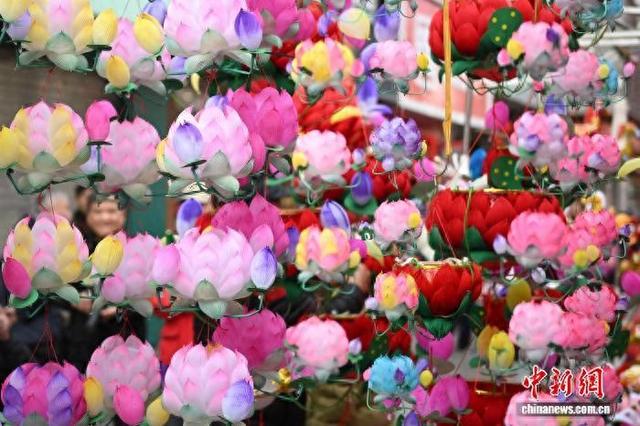
(新春见闻)南京传统手扎花灯集中亮相“闹新春”
Xin Lang Cai Jing· 2026-02-17 11:13
Core Viewpoint - The traditional handmade lanterns in Nanjing, including lotus lanterns, horse lanterns, rabbit lanterns, and pineapple lanterns, were showcased on the first day of the Chinese Lunar New Year, attracting crowds for viewing and purchasing [2][3][4][5][7] Group 1 - The event took place on February 17, marking the first day of the Year of the Horse in the Chinese lunar calendar [2][3][4][5][7] - Various types of lanterns were displayed, featuring diverse shapes and vibrant colors [2][3][4][5][7] - The event successfully drew the attention of the public, encouraging them to enjoy the lanterns and celebrate the New Year [2][3][4][5][7]

过年总要去趟夫子庙吧
Xin Lang Cai Jing· 2026-02-11 21:49
Core Viewpoint - The article highlights the cultural significance and historical richness of the Qinhuai Lantern Festival in Nanjing, emphasizing its deep-rooted traditions and the emotional connections it fosters among locals and visitors alike [1][2][3]. Group 1: Historical Significance - The Qinhuai Lantern Festival has been renowned since the Six Dynasties period, with Nanjing being the imperial capital, leading to a vibrant celebration during the Lantern Festival [1]. - The festival was extended from three days to ten days during the reign of Zhu Yuanzhang, transforming it into a city-wide celebration [1]. - The festival's legacy includes the famous Aoshang Lantern, which has evolved over centuries but continues to embody the festive spirit of the New Year [1]. Group 2: Cultural Elements - The route through the Confucius Temple includes significant architectural features such as the longest screen wall in the country, reflecting the historical and cultural essence of the area [2]. - The unique design of the Panchi (the pool) at the Confucius Temple, which is fed by the flowing Qinhuai River, symbolizes the continuous flow of knowledge and culture [2]. - The lotus lanterns, a classic representation of the Qinhuai Lantern Festival, symbolize purity and prosperity, resonating with both literary and common people's sentiments [2]. Group 3: Personal Reflections and Changes - The article reflects on the evolving memories associated with the Confucius Temple, noting how different generations perceive the space and its significance [5][6]. - The nostalgia for childhood experiences at the lantern festival is contrasted with the current atmosphere, highlighting the changes in societal engagement and personal memories [5][6]. - The emotional connection to the festival is portrayed as a means of revisiting one's past and cherishing the continuity of cultural traditions [6].