
荷花灯

Search documents
探寻秦淮花灯的百年光影
Xin Lang Cai Jing· 2026-02-26 16:38
Core Viewpoint - The 40th Qinhuai Lantern Festival highlights the cultural significance of lantern-making in Nanjing, showcasing the blend of tradition and modernity in this art form [1][4]. Group 1: Lantern-Making Tradition - The lantern-making process has evolved from using bamboo to steel wire, but the core techniques remain unchanged, emphasizing the importance of craftsmanship [2]. - The most challenging lantern to make is the qilin lantern, which incorporates historical styles and modern technology like 3D printing [2]. - The color preferences for lanterns have shifted, with red being favored for its auspiciousness, especially during the Year of the Horse [2]. Group 2: Market Trends and Consumer Preferences - A survey conducted among 50 stalls along Zhanyuan Road revealed that 60% of the lanterns are traditional designs, while 40% are creative designs [2]. - Older citizens prefer traditional lotus lanterns, while parents aged 30-45 tend to buy zodiac or interactive lanterns for their children, and teenagers are more interested in LED and cartoon designs [2]. Group 3: Cultural Significance and Future Perspectives - Buying lanterns during the New Year is a customary practice for Nanjing residents, symbolizing good fortune [3]. - Young reporters expressed a desire to integrate traditional lantern-making with modern technology, indicating a forward-looking approach to cultural heritage [3][5]. - The commitment to preserving this art form is evident in the dedication of artisans like Sun Song, who views his work as both a livelihood and a means of cultural transmission [2][5].
(新春见闻)南京传统手扎花灯集中亮相“闹新春”
Xin Lang Cai Jing· 2026-02-17 11:13
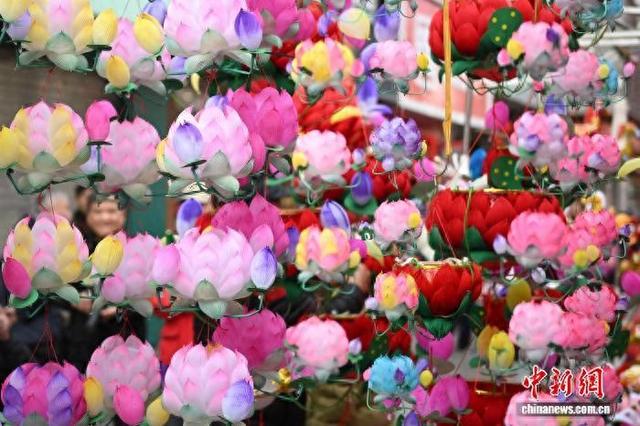
Core Viewpoint - The traditional handmade lanterns in Nanjing, including lotus lanterns, horse lanterns, rabbit lanterns, and pineapple lanterns, were showcased on the first day of the Chinese Lunar New Year, attracting crowds for viewing and purchasing [2][3][4][5][7] Group 1 - The event took place on February 17, marking the first day of the Year of the Horse in the Chinese lunar calendar [2][3][4][5][7] - Various types of lanterns were displayed, featuring diverse shapes and vibrant colors [2][3][4][5][7] - The event successfully drew the attention of the public, encouraging them to enjoy the lanterns and celebrate the New Year [2][3][4][5][7]

过年总要去趟夫子庙吧
Xin Lang Cai Jing· 2026-02-11 21:49
Core Viewpoint - The article highlights the cultural significance and historical richness of the Qinhuai Lantern Festival in Nanjing, emphasizing its deep-rooted traditions and the emotional connections it fosters among locals and visitors alike [1][2][3]. Group 1: Historical Significance - The Qinhuai Lantern Festival has been renowned since the Six Dynasties period, with Nanjing being the imperial capital, leading to a vibrant celebration during the Lantern Festival [1]. - The festival was extended from three days to ten days during the reign of Zhu Yuanzhang, transforming it into a city-wide celebration [1]. - The festival's legacy includes the famous Aoshang Lantern, which has evolved over centuries but continues to embody the festive spirit of the New Year [1]. Group 2: Cultural Elements - The route through the Confucius Temple includes significant architectural features such as the longest screen wall in the country, reflecting the historical and cultural essence of the area [2]. - The unique design of the Panchi (the pool) at the Confucius Temple, which is fed by the flowing Qinhuai River, symbolizes the continuous flow of knowledge and culture [2]. - The lotus lanterns, a classic representation of the Qinhuai Lantern Festival, symbolize purity and prosperity, resonating with both literary and common people's sentiments [2]. Group 3: Personal Reflections and Changes - The article reflects on the evolving memories associated with the Confucius Temple, noting how different generations perceive the space and its significance [5][6]. - The nostalgia for childhood experiences at the lantern festival is contrasted with the current atmosphere, highlighting the changes in societal engagement and personal memories [5][6]. - The emotional connection to the festival is portrayed as a means of revisiting one's past and cherishing the continuity of cultural traditions [6].
新春走基层|灯彩照见中国年:等待“面试”的小马灯
Xin Lang Cai Jing· 2026-02-11 15:37
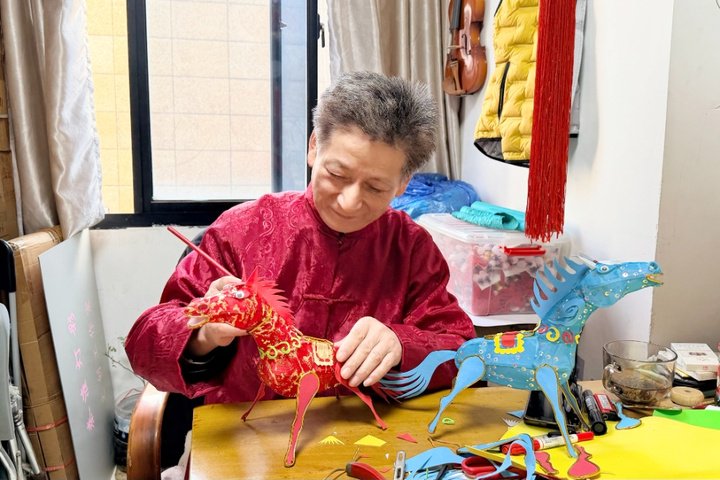
Core Viewpoint - The article highlights the dedication of Fu Xisheng, a master craftsman of Qinhuai lanterns, who has spent fifty years perfecting the traditional craft, emphasizing the importance of cultural heritage and the need for innovation to keep the art form alive [1][17]. Group 1: Craftsmanship and Tradition - Fu Xisheng's workshop is filled with beautifully crafted lanterns, showcasing the intricate process of making a "small horse lantern," which involves over a hundred steps, including framework, pasting, and decoration [3][4]. - The craftsmanship reflects Fu's understanding of the festive spirit, with each lantern embodying wishes for prosperity and happiness, making them a vital part of Nanjing's cultural identity [6][9]. - Fu insists on using traditional materials and techniques, such as bamboo for the framework and silk for the covering, to maintain the authenticity and quality of the lanterns [7][9]. Group 2: Cultural Significance and Community Engagement - The "lotus lantern" is a prominent symbol of Qinhuai lanterns, representing good fortune and prosperity, and requires meticulous craftsmanship with at least sixty steps for production [11][12]. - Fu Xisheng is committed to passing on his skills to the next generation, renting a studio to teach apprentices and engaging with schools and communities to promote the craft [13][15]. - The article emphasizes the importance of adapting traditional crafts to modern times, with Fu incorporating LED lights and seeking inspiration from younger generations to attract a broader audience [15][16].
各地张灯结彩、装扮一新 在传统习俗中寄托新春期盼
Yang Guang Wang· 2026-02-11 01:58
Group 1 - The article highlights the festive atmosphere in China as the Spring Festival approaches, with various traditional celebrations taking place across different regions [1] - In Hebei's Zhengding Ancient City, a traditional folk performance and lantern festival was held, showcasing local cultural heritage through performances like Changshan War Drum and Jiexing Lantern [1] - A New Year market in Tonghua, Jilin, attracted many visitors, featuring 66 stalls with diverse products and cultural performances such as dragon and lion dances [1] Group 2 - The New Year market in the Longxingli area will continue until the 28th day of the twelfth lunar month, with plans for additional performances including Northeast-style Er Ren Zhuan and bonfire parties [2] - A lantern festival themed around lotus flowers was held at the Confucius Temple in Nanjing, integrating various traditional lantern styles to engage younger audiences [2] - In Urumqi, Xinjiang, a lively folk performance event featured over 2,000 participants, showcasing local dances and cultural expressions to celebrate the festive season [2]
中国非遗馆过年大展端出热腾腾年味“大餐”
Zhong Guo Xin Wen Wang· 2026-01-21 00:46
Core Viewpoint - The exhibition "Celebrating the New Year - Year of the Horse Spring Festival Theme Exhibition" at the Chinese Intangible Cultural Heritage Museum showcases over a hundred representative projects of intangible cultural heritage from various regions in China, presenting a multi-dimensional celebration of the New Year [1] Group 1: Exhibition Highlights - The "Jiyue Hongtu" section features traditional crafts related to horses, including paper-cutting, New Year paintings, shadow puppetry, ceramics, stone carvings, leather carvings, bamboo weaving, and clay sculptures, allowing visitors to appreciate the cultural significance of horses [1] - A notable highlight in the "Food is Heaven" section is a flower bun sculpture named "Da Guzao Mountain," which stands 4.5 meters tall and has a diameter of 3.6 meters, representing the intangible cultural heritage of flower buns from Shaanxi Province [1] - The exhibition also includes traditional snacks like the "Dingsheng Cake" from Huzhou, Zhejiang Province, with a special horse-shaped mold brought by the inheritor Shen Chen, which has garnered significant attention from visitors [1] Group 2: Thematic Displays - The "Guangzhuan Chunhui" section features nearly a hundred festive-themed intangible cultural heritage lanterns, creating a joyful atmosphere for the celebration with their diverse shapes and exquisite craftsmanship [1] - The exhibition will be open to the public until March 20, coinciding with the lunar calendar's second day of February and the Spring Equinox [2]