六十九品胚芽

Search documents
免费鸡蛋、高价“神药”……私域直播“坑老”套路,别上当!
Yang Shi Xin Wen· 2025-12-23 07:30
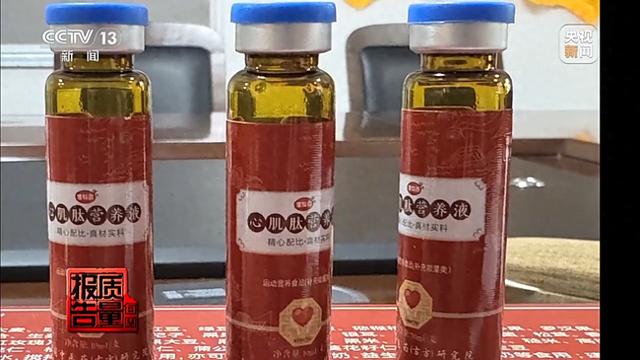
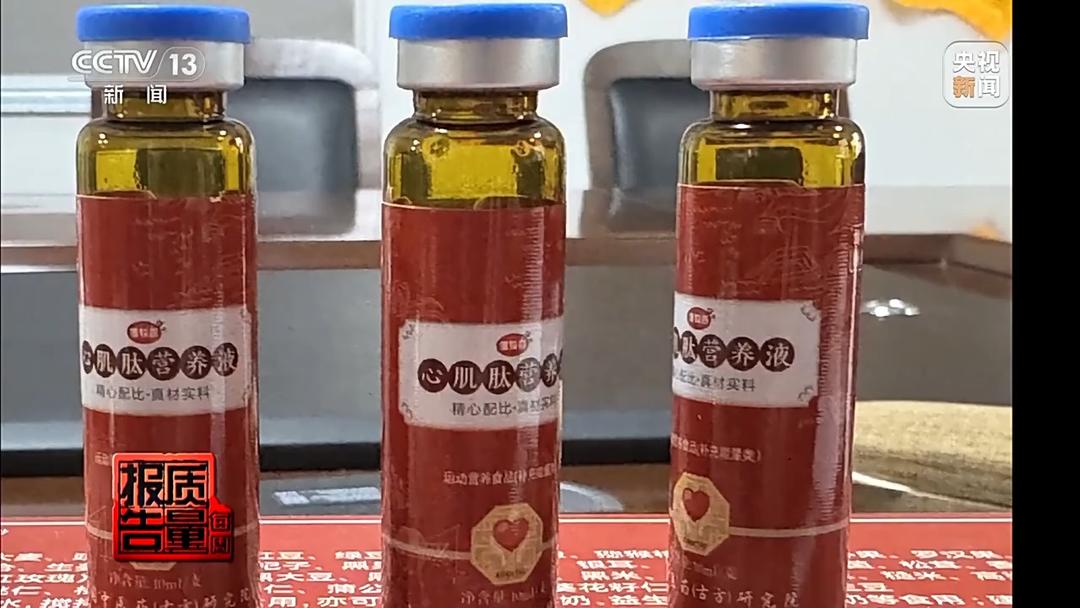
Core Viewpoint - The article highlights the issue of fraudulent practices in private domain live streaming, particularly targeting elderly consumers with misleading health claims and products disguised as medicine [1][15]. Group 1: Fraudulent Practices - A private domain live streaming session in Tianjin misled consumers by promoting a regular food product as a "miracle drug" for heart diseases, claiming it was developed from a "secret formula" by a so-called traditional medicine practitioner [2][4]. - The live stream attracted a significant audience, maintaining 4,000 to 7,000 viewers throughout the session, indicating a high level of engagement among elderly consumers [4][11]. - The products sold, including the "heart muscle peptide nutritional liquid," were falsely advertised with exaggerated health benefits, leading to substantial financial gains for the sellers [9][11]. Group 2: Regulatory Response - Market regulators discovered that the claims made by the live stream were entirely fabricated, with no evidence supporting the existence of the so-called "traditional medicine practitioner" or the legitimacy of the products [6][12]. - The regulatory authorities imposed a fine of 600,000 yuan on the involved parties for false advertising and ordered them to cease illegal activities [11]. - The platform facilitating the live stream, "Xiao E Tong," faced scrutiny for inadequate content review processes, leading to further regulatory actions including a fine of 360,000 yuan and the removal of over 16,000 pieces of non-compliant content [12][11]. Group 3: Consumer Protection Measures - New regulations are being proposed to address the challenges of evidence collection in private domain live streaming, including requirements for platforms to provide transaction video playback for at least 30 days post-broadcast [13]. - Experts emphasize the need for consistency in regulations, suggesting that online practices should mirror offline restrictions to prevent misleading marketing tactics [14]. - The China Consumers Association has issued warnings about the tactics used to lure elderly consumers, such as offering free items and conducting misleading health seminars [15][17].


揭秘私域直播“坑老”:免费鸡蛋引流 高价“神药”收割
Yang Shi Xin Wen· 2025-12-21 15:46
Core Viewpoint - The article highlights the issue of fraudulent practices in private domain live streaming, particularly targeting elderly consumers with misleading health claims and products disguised as medicine [1][9][30]. Group 1: Fraudulent Practices - Private domain live streaming is characterized by high user targeting and strong interactivity, but it is also prone to misuse by unscrupulous merchants for scams [1][9]. - A specific case in Tianjin involved a live streaming session promoting a product called "Heart Muscle Peptide Nutritional Liquid" as a cure for heart diseases, misleading many elderly consumers [2][4]. - The product was falsely claimed to be developed from a secret formula by a so-called "healer," with fabricated testimonials to support its efficacy [4][6]. Group 2: Regulatory Response - Market regulators in Tianjin discovered that the claims made during the live stream were entirely fictitious, with no basis for the "healer" or the research institute mentioned [6][19]. - The live streaming operation was found to have generated over 1 million yuan in sales within three months, with products sold at inflated prices [15]. - Regulatory authorities have imposed fines totaling 60,000 yuan on the involved parties for false advertising and have mandated corrective actions [21]. Group 3: Industry Challenges - The private domain live streaming sector has become a breeding ground for scams targeting elderly consumers, with platforms failing to enforce adequate content review processes [16][19]. - The lack of effective regulatory measures has made it difficult to gather evidence against fraudulent activities, complicating enforcement actions [24][26]. - The market supervision department has initiated a special campaign against false advertising in the private domain live streaming sector, resulting in numerous cases and significant fines [23][30].
央视曝光!商家用免费鸡蛋吸引老人进店入群,卖高价“神药”,3个月吸纳超万人建百余群,销售超百万
Xin Lang Cai Jing· 2025-12-21 10:25
Core Viewpoint - The article highlights the deceptive practices in private domain live streaming, particularly targeting elderly consumers with false health claims and high-priced products, leading to significant financial exploitation [1][8]. Group 1: Private Domain Live Streaming Practices - Private domain live streaming is characterized by high user targeting accuracy and strong interactivity, but it is also prone to exploitation by unscrupulous businesses to evade regulation [1][8]. - A specific case in Tianjin involved a live streaming session promoting a product falsely claimed to treat heart diseases, attracting a large audience of elderly consumers [3][5]. - The products sold, including a so-called "heart muscle peptide nutritional liquid," were misrepresented as effective treatments, with claims of miraculous results [3][5]. Group 2: Regulatory Actions and Findings - Market regulators discovered that the claims made during the live streams were fabricated, with no legitimate basis for the "expert" endorsements or product efficacy [5][7]. - The regulatory response included a fine of 600,000 yuan for the involved company, which had generated over 1 million yuan in sales within three months [11]. - The platform facilitating these live streams, "Xiao E Tong," was also found to have inadequate content review processes, leading to violations of e-commerce laws [13][15]. Group 3: Consumer Protection and Industry Implications - The article notes a significant increase in cases of false advertising targeting elderly consumers, with over 5,700 cases reported and fines totaling approximately 96 million yuan in 2023 [16]. - The Chinese Consumers Association indicated that complaints regarding elderly consumer traps and private domain marketing are rising, emphasizing the need for stricter regulations [17][19]. - The industry is urged to adopt responsible practices, especially as the private domain e-commerce sector is projected to reach 5 trillion yuan by 2024, necessitating compliance with upcoming regulatory frameworks [21].

私域直播“坑老”套路全拆解:免费鸡蛋引流 高价“神药”收割
Xin Lang Cai Jing· 2025-12-21 08:23
Core Viewpoint - The article highlights the rise of private domain live streaming as a method for targeted marketing, which has been exploited by unscrupulous merchants to defraud elderly consumers by misrepresenting ordinary food products as miraculous medicines [1][5][8]. Group 1: Private Domain Live Streaming Characteristics - Private domain live streaming is characterized by high user targeting and strong interactivity, but it also has a hidden nature that allows it to evade regulation [1][5]. - A specific case in Tianjin involved a live stream promoting a product called "Heart Muscle Peptide Nutritional Liquid," falsely claimed to treat heart diseases, attracting significant attention from elderly consumers [3][5]. Group 2: Fraudulent Practices - The live stream falsely claimed that the product was developed based on a secret formula from a "hereditary physician," with exaggerated testimonials from elderly users [3][5]. - The products promoted in the live stream, including the "Heart Muscle Peptide Nutritional Liquid," were found to be ordinary food items misrepresented as medicinal, with no legitimate backing for the claims made [5][7]. Group 3: Regulatory Response - Market regulators in Tianjin discovered that the live stream's claims were entirely fabricated, leading to an administrative penalty of 600,000 yuan for false advertising [11]. - The private domain live streaming platform "Xiao E Tong" was also found to have inadequate content review processes, allowing misleading claims to proliferate [12][14]. Group 4: Industry Challenges and Recommendations - The article discusses the challenges of regulating private domain live streaming, particularly the difficulty in obtaining evidence of fraudulent activities [19][21]. - Recommendations include the need for platforms to maintain transaction records and improve content review mechanisms to protect consumers, especially the elderly [21][25].