关坝蜂蜜

Search documents
焦点访谈|国家公园体制改革10周年,这里正在探索一种新模式
Yang Shi Wang· 2025-10-13 13:55
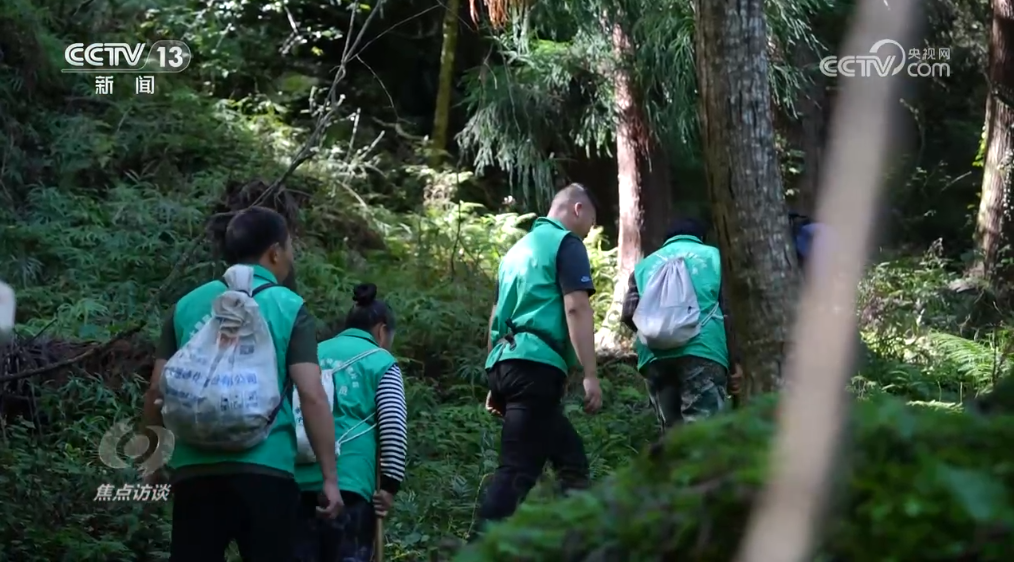
Core Viewpoint - The article highlights the progress and achievements of China's national park system, particularly focusing on the community-led conservation model in the Giant Panda National Park, which balances ecological protection with local residents' livelihoods [1][5][22]. Group 1: National Park Development - This year marks the 10th anniversary of China's national park system reform, with the establishment of the first five national parks, including the Giant Panda National Park [1]. - The National Park Law was officially published in September, providing a solid legal foundation for the construction of national parks in China [1]. - The Giant Panda National Park integrates over 80 existing nature reserves, becoming a core area for global biodiversity protection [5]. Group 2: Community-Led Conservation - The community-led model in Guamba Village aims to protect the ecosystem while ensuring the livelihoods of local residents, transitioning from traditional resource exploitation to conservation [7][9]. - Guamba Village has established a natural protection center, with 30% of households participating in conservation efforts, supported by government funding [9][12]. - The model emphasizes community involvement, allowing villagers to manage and benefit from conservation activities, contrasting with traditional top-down approaches [9][12]. Group 3: Economic Transition - Villagers have shifted from hunting and gathering to roles as conservation patrols, receiving compensation for their efforts [10][12]. - Beekeeping has replaced hunting and grazing, providing villagers with a sustainable income while promoting ecological balance [16][20]. - The honey produced in Guamba has gained certification as an "original ecological product," leading to successful sales and economic benefits for the community [22]. Group 4: Future Vision - The community envisions a future where wildlife thrives, and local youth can find employment opportunities without leaving their hometowns, supported by eco-tourism and green industries [22]. - The establishment of a natural education base is planned, with investments aimed at enhancing community benefits and promoting ecological education [22].