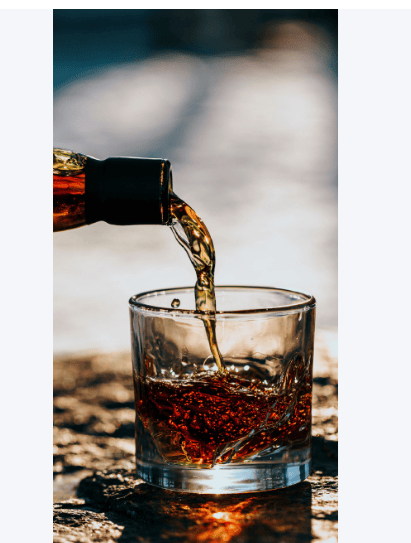
冰镇黄酒搭配小龙虾套餐

Search documents
酒业产销电商:酒水市场的竞争格局与文化传播
Sou Hu Cai Jing· 2025-10-08 08:31
Group 1: Traditional Alcohol Industry's Adaptation - Traditional alcohol companies are attempting to attract younger consumers through innovative products such as Moutai's ice cream and chocolate, and Luzhou Laojiao's collaboration with a perfume brand [1] - The drinking frequency of consumers under 30 has decreased by 45% compared to five years ago, indicating a shift in consumer preferences [1] - A market director from a certain distillery stated that the focus has shifted from selling alcoholic beverages to promoting a lifestyle that resonates with young people [1] - Some innovative products, like a sparkling white wine, faced backlash due to poor taste combinations, highlighting the challenges of balancing tradition and innovation [1] Group 2: Emergence of New Beverage Brands - New beverage brands are gaining traction with differentiated offerings, such as a "hot pot beer" series and alcohol-free sparkling tea, catering to modern consumer preferences [2] - A survey revealed that 68% of young consumers dislike drinking culture and prioritize emotional experiences while drinking [2] - The low-alcohol beverage sector attracted over 5 billion yuan in funding in 2023, with some fruit wine brands reaching valuations of 10 billion yuan [2] - However, the industry faces challenges such as severe homogenization due to a lack of standards, with 32 brands selling similar peach oolong wine [2] - Over-marketing has led to low repurchase rates for some trendy products, with less than 20% of consumers returning for repeat purchases [2] Group 3: Impact of the Internet on the Alcohol Industry - The internet has brought both opportunities and challenges to the alcohol industry, including information overload and false advertising, complicating consumer choices [4] - The industry must address the need for better regulation while leveraging the benefits of the internet for broader market access and efficient operations [4] - The integration of alcohol and the internet is expected to deepen, creating new avenues for industry development [4] Group 4: E-commerce Transformation - In response to industry challenges, a project leader in alcohol sales has decided to leverage the internet for transformation, using offline foundations and online channels [6] - Strategies include building an online store through mini-programs, promoting via public accounts, and engaging in precise marketing through social groups [6]