茅台冰淇淋

Search documents
贵州茅台:营销改革复盘专题:笃行不怠,臻于至善-20260303
Soochow Securities· 2026-03-03 14:24
Investment Rating - The report maintains a "Buy" rating for Kweichow Moutai [1] Core Views - The marketing reform of Kweichow Moutai has transitioned from a "channel-centric" approach to a "consumer-centric" model, focusing on enhancing consumer engagement and product offerings [7][12][22] - The company has established a "pyramid product matrix" to optimize its product structure, ensuring a balance between high-end and mass-market offerings [24][27] - The pricing mechanism has been adjusted to be more market-oriented, with dynamic pricing strategies to stabilize market fluctuations and enhance consumer trust [31][32] Summary by Sections Marketing Reform Overview - Kweichow Moutai's marketing reforms can be categorized into five phases, each responding to macroeconomic conditions and market demands [12][14][21] - The reforms have evolved from establishing a market-oriented channel system to enhancing direct sales and digital engagement [22][23] Product Strategy - The product matrix has shifted from a single flagship product to a diversified pyramid structure, including various price points and product types [24][27] - New product launches are aligned with market cycles, focusing on both high-end and accessible offerings to cater to different consumer segments [29][30] Pricing Mechanism - The company has implemented a dynamic pricing strategy that aligns with market conditions, aiming to reduce speculation and stabilize prices [31][32] - The pricing adjustments include setting retail prices based on market trends and ensuring that various product categories are competitively priced [31][32]

茅台联名冰淇淋卖不动了?
Sou Hu Cai Jing· 2026-01-21 13:38
Group 1 - The core issue in the liquor industry is that young consumers are not rejecting traditional brands for nostalgia but are instead rejecting poorly executed commercial collaborations [1] - The collaboration between Luzhou Laojiao and the sci-fi series "The Three-Body Problem" sold out in 10 minutes, highlighting the effectiveness of culturally relevant marketing [3] - Moutai's ice cream product is struggling in convenience stores, while Luzhou Laojiao's innovative marketing approach resonates with younger audiences [4] Group 2 - The beverage market is shifting towards low-sugar options, as evidenced by the success of Wuliangye's low-alcohol series, which has a 37% repurchase rate in convenience stores [6] - Moutai is advised to focus on developing lighter versions of its products rather than investing heavily in collaborations, as seen with the success of Japan's Dassai sake [7] - The pricing structure of Moutai is under pressure, with reports of significant losses for resellers and the impact of e-commerce platforms driving prices below factory levels [9]

《公司舆情哨》2025盘点:十大事件、四类危机、四种趋势!
Sou Hu Cai Jing· 2026-01-09 05:48
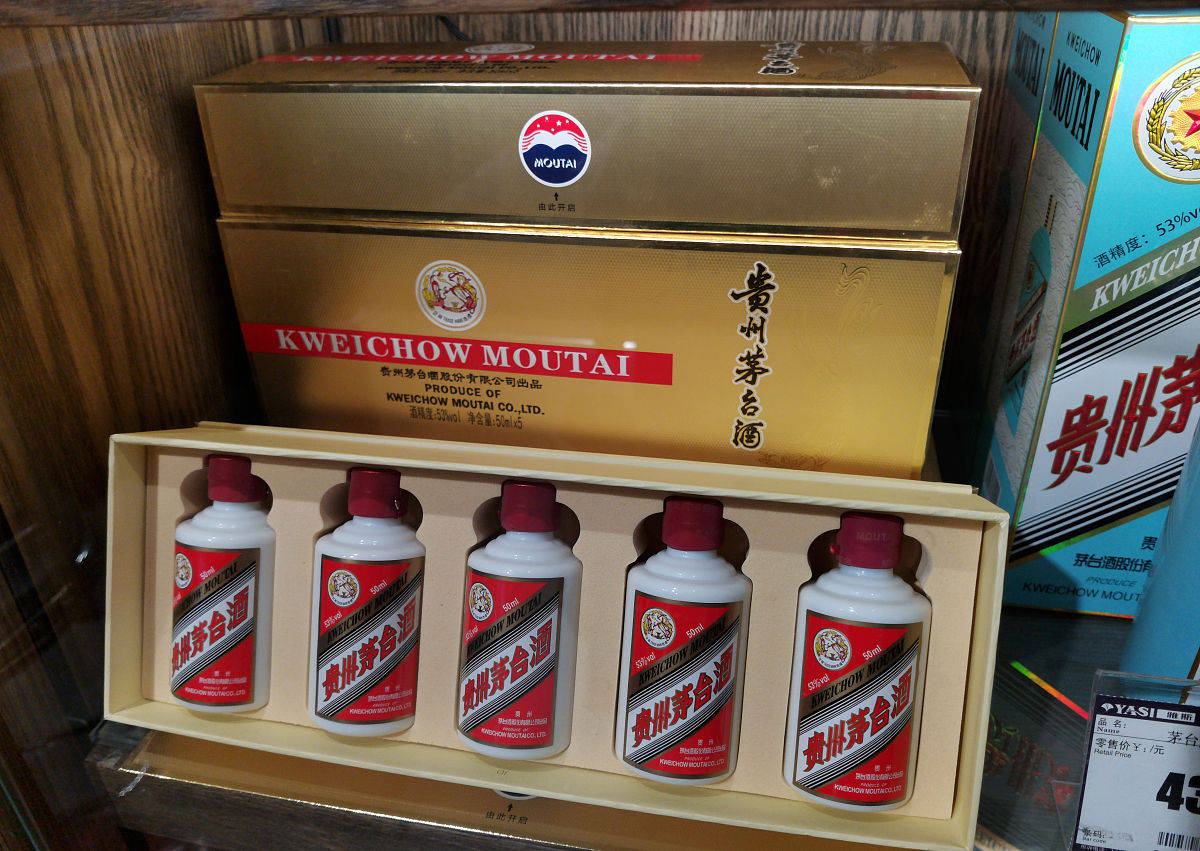
Core Insights - The article discusses the significant public relations challenges faced by major brands in 2025, highlighting the crisis management issues and the evolving consumer expectations in various industries [1][2][5] Group 1: Key Events and Trends - In 2025, over 20 well-known brands were monitored for public sentiment, with Sam's Club and Moutai being among the most frequently mentioned due to crises such as trust issues and leadership changes [2][4] - Major public sentiment events included Sam's Club's trust crisis, Moutai's leadership change, and controversies surrounding brands like Nestlé and West Bay [2][4] - The food, new tea drinks, and dairy industries were particularly scrutinized, reflecting their close ties to consumer daily life [2][4] Group 2: Types of Crises - The public relations crises identified can be categorized into four main types: food safety issues, marketing and advertising controversies, personnel changes and strategic adjustments, and incidents related to live streaming and new media [4][6][10] - Food safety issues were the most significant, with incidents like a food poisoning case involving Yunhai Yao leading to severe penalties [6][8] - Marketing controversies included misleading advertising practices, such as the "half bag" marketing by White Elephant, which misled consumers about product quantity [11][12] Group 3: Leadership Changes - 2025 saw numerous leadership changes in major consumer brands, particularly in the alcohol and dairy sectors, reflecting pressures for strategic transformation and performance improvement [15][17] - Notable changes included Moutai's leadership transition and significant shifts within Nestlé's executive team, which could impact existing strategies [18][19] Group 4: New Media and Crisis Management - The rise of live streaming and short videos has led to an increase in real-time public relations crises, exemplified by the incident involving Pop Mart during a live stream [20][21] - Companies are urged to adapt their crisis management strategies to address the rapid dissemination of information and the emotional responses of consumers [22][23] Group 5: Evolving Consumer Expectations - Consumer scrutiny has shifted from product safety to emotional and value-based considerations, indicating a deeper examination of brand integrity and marketing practices [24][25] - Companies are encouraged to embrace constructive criticism as an opportunity for improvement rather than adopting a victim mentality [30][31] Group 6: Future Challenges - The consumer goods industry is expected to remain a hotspot for public relations challenges, with increasing demands for product safety, marketing honesty, and price transparency [28][29] - The integration of AI technology in reputation management presents both opportunities and risks, necessitating a balance between efficiency and ethical considerations [32]

金评天下丨茅台:你不该风格漂移
Sou Hu Cai Jing· 2026-01-05 19:55
Core Viewpoint - The launch of the official digital marketing platform iMoutai by Guizhou Moutai, offering the 53-degree Flying Moutai at a price of 1499 yuan per bottle, is seen as a strategic move to boost sales amid a declining high-end liquor market [2][3]. Group 1: Pricing Strategy - The price of 1499 yuan per bottle is approximately 200 to 300 yuan lower than typical e-commerce platforms, leading to a surge in demand where the product sold out quickly [2]. - Offline retailers have responded by matching the iMoutai price, indicating a competitive pressure in the high-end liquor market [2]. - The wholesale price of Flying Moutai has dropped significantly from 2100-2200 yuan to around 1490 yuan, reflecting a 33% decrease within a year [3]. Group 2: Market Dynamics - The high-end liquor segment is experiencing a downturn, with sales dropping about 10% during the 2025 Mid-Autumn and National Day holidays, and prices continuing to decline [3]. - The promotional activities by iMoutai may not align with the brand's high-end image, as it risks devaluing the product [4]. - The overall market for high-end liquor is becoming increasingly competitive, with brands facing pressure to maintain their luxury status while adapting to economic fluctuations [4]. Group 3: Brand Positioning - Guizhou Moutai aims to shed its luxury brand image and attract younger consumers, but faces challenges due to a solidified consumer base [4]. - The company is under pressure to maintain its high profit margins, with overall net profit margins exceeding 50% and gross margins for high-end products surpassing 90% [4]. - The luxury goods market, including high-end liquor, is subject to economic cycles, and brands like Moutai must navigate these challenges without compromising their brand integrity [4].

茅台“自刀”,砍痛了谁?
Sou Hu Cai Jing· 2026-01-05 03:36
Core Viewpoint - Moutai's adjustment of channel policies and operational strategies is a result of both external environment and internal demand, facing significant challenges and performance pressure after the new management took over [1][4] Group 1: Policy Changes - Moutai announced it will no longer distribute non-standard products through a "distribution method," marking the end of an era where distributors could profit easily [2][4] - The launch of the core product, the 1499 yuan Flying Moutai on the iMoutai platform, generated significant market interest, selling out quickly with over 100,000 users purchasing within the first three days [2][6] - Moutai plans to stop supplying rare Moutai products by 2026 and reduce the supply of non-standard products by 30%-50%, which may enhance the value of existing distributor inventories [4][5] Group 2: Market Reactions - The market has seen fluctuations in wholesale prices, with the 2025 production of Flying Moutai dropping below 1499 yuan per bottle, indicating a shift in market dynamics [2][6] - Distributors are experiencing mixed feelings; while some see the removal of forced distribution of non-standard products as a chance to focus on bestsellers, others fear the new policies may lead to a purge of weaker distributors [5][10] - The simplification of distribution channels and increased direct sales from manufacturers may provide consumers with better access to products at original prices [5][6] Group 3: Challenges Ahead - Moutai faces the challenge of balancing brand value with market expansion, as the risk of diluting its premium image looms large [7][8] - The transition to a new sales model may involve a painful adjustment period for distributors, who are shifting from traditional roles to becoming channel service providers [7][8] - The changing consumer environment poses long-term pressures, with a need for Moutai to innovate in marketing to attract younger demographics while maintaining cultural heritage [9][10] Group 4: Industry Implications - Moutai's decision to eliminate the distribution model raises questions for other liquor companies about whether to follow suit, potentially impacting the market positions of high-end brands like Wuliangye and Guojiao 1573 [10][11] - Other brands may struggle to replicate Moutai's strategy due to differing brand attributes and market conditions, emphasizing the need for tailored approaches rather than blind imitation [11]
在微光中寻找光源
Bei Jing Shang Bao· 2025-12-25 13:52
Core Insights - The decline in the wholesale price of Feitian Moutai below 2000 yuan in 2025 signals a significant adjustment in the Chinese liquor industry, influenced by a combination of policy changes, shifts in consumer behavior, and intense competition [1] - The industry experienced a drop in both volume and price, with production decreasing by 7.2% year-on-year in the first quarter, marking the eighth consecutive year of production decline [1] - Over half of the companies reported declines in both revenue and profit, with an average inventory turnover period of 900 days, indicating severe channel inventory issues [1] Market Dynamics - The price system reflects a widespread "price inversion" in the mid to high-end segments, particularly in the 800-1500 yuan range, due to weak terminal demand and high channel inventory [2] - The shift in consumer spending towards more affordable price ranges (100-300 yuan) signifies the end of an era driven by government consumption and investment attributes [2] - The emerging younger generations prioritize emotional value, personal expression, and health over traditional liquor culture, leading to a demand for "light" drinking experiences [2] Future Outlook - Despite the challenges, there are signs of nearing a cyclical bottom, with expectations for improvement in the industry as policy impacts diminish and consumption scenarios stabilize in 2026 [3] - The recovery will not be a simple V-shaped rebound but will focus on a return to value centered around quality, branding, and culture [3] Strategic Directions - The industry must embrace youthfulness and internationalization as essential strategies for survival and growth, requiring a shift from a top-down approach to genuine engagement and innovation [4] - Companies should develop products that resonate with younger consumers and leverage new marketing channels, such as live streaming and instant retail [4] - Internationalization involves moving from product export to brand and cultural export, necessitating long-term investments in product adaptation for overseas markets and effective storytelling about Chinese liquor [5] Industry Transformation - The deep adjustment in 2025 serves as a necessary catalyst for the maturation of the Chinese liquor industry, revealing the unsustainability of old models [6] - The future winners will be those who prioritize quality, empathize with the new generation of consumers, and possess the patience and wisdom to elevate Chinese liquor to a global narrative [6] - The next golden era for the industry will be built on genuine consumer recognition rather than being driven by channels and capital [6]
年轻人为何集体抛弃白酒?这届消费者在反抗什么?
Sou Hu Cai Jing· 2025-12-24 04:27
Core Insights - The white liquor industry in China is facing a deep crisis, highlighted by a significant decline in production and changing consumer preferences among younger generations [1][4] Group 1: Industry Trends - The production of white liquor is projected to decline by 5.8% year-on-year in the first half of 2025, with a nearly 70% drop from the peak production in 2016 [1] - Young consumers show a marked preference for lower-alcohol beverages, with 62% finding traditional white liquor "spicy and stimulating" and 51% feeling that "drinking is a heavy burden" [4][3] - The sales of health-oriented and lower-alcohol products, such as health liquor and fruit wine, have seen over 100% growth in instant retail channels, indicating a shift towards lower-alcohol consumption [4] Group 2: Cultural Shifts - The traditional hierarchical drinking culture is being rejected by Generation Z, who are increasingly resistant to power dynamics associated with drinking rituals [3] - A tragic incident in 2024 highlighted the dangers of traditional drinking culture, leading to a collective awakening among young people who refuse to participate in such practices [3] Group 3: Market Dynamics - The ban on alcohol in government receptions has reduced the share of government consumption to less than 5%, while sales of budget-friendly liquor have increased by 20% in new social settings like camping [7] - The rise of "solo drinking" trends on platforms like Bilibili reflects a desire among young consumers for personal enjoyment rather than social obligation [7] - The market for whiskey has seen a significant increase, with imports topping the list of imported spirits and a cumulative growth of over 200% in recent years [9] Group 4: Future Outlook - The white liquor industry must undergo a fundamental restructuring of its value proposition rather than superficial attempts at modernization [9] - Companies that adapt to the "self-pleasure economy" and understand the changing consumer landscape will be the ones to succeed in the future [9]
黄牛慌了!茅台跌破1499元,库存堆成山,年轻人不买账咋翻身?
Sou Hu Cai Jing· 2025-12-18 10:11
Core Viewpoint - The fluctuating prices of Moutai have become more volatile than stock trading, with significant price drops and rebounds observed within a short period, indicating a severe imbalance in supply and demand in the market [1][3]. Group 1: Price Fluctuations - On December 12, the wholesale price of Moutai fell below the official guidance price of 1499 yuan, reaching 1485 yuan, with original boxes dropping to 1495 yuan, marking a recent low [1]. - Following Moutai's decision to halt shipments to distributors, prices surged on December 13 and 14, with a daily increase of 90 yuan for scattered bottles and 95 yuan for original boxes, but by December 15, prices fell again to 1560 yuan and 1570 yuan respectively [3]. - The price difference exceeded 100 yuan within four days, leaving both consumers and distributors confused [3]. Group 2: Supply and Demand Issues - The core issue for Moutai is not merely the reduction in shipments but a fundamental shift in supply and demand dynamics, with three main problems identified: excessive inventory, reduced consumer interest, and the collapse of its financial appeal [5][11]. - The average inventory turnover days for the entire liquor industry reached 1424 days by Q3 2025, indicating that products remain unsold for over three years, which is 65% longer than the previous year [5]. - Moutai's production capacity increased by 8% this year, while demand decreased by 12%, leading to a significant oversupply situation [7]. Group 3: Changing Consumer Behavior - Traditional consumption scenarios for Moutai have diminished, particularly among younger consumers who prefer alternatives like red wine and low-alcohol beverages for social occasions [9]. - Moutai's attempts to appeal to younger demographics through products like ice cream and chocolate have not resulted in sustained interest [9]. - The cultural shift away from high-end banquets and reduced corporate spending has further impacted Moutai's sales [9]. Group 4: Financial Viability and Future Outlook - Moutai's financial model has deteriorated, with many investors now selling off their stock due to declining prices, which were once as high as 3000 yuan per bottle [11][14]. - The current cost line for distributors is approximately 1600 yuan, and prices below 1500 yuan result in losses, prompting distributors to sell off inventory [12]. - Moutai's strategy to control supply may provide temporary relief but is unlikely to resolve the underlying issues of excessive inventory and changing consumer preferences [14][15]. Group 5: Long-term Strategies - Moutai must focus on returning to its core identity as a consumable product rather than an investment vehicle, with new product launches aimed at younger consumers [17]. - Stabilizing distributor relationships is crucial, as the total contract liabilities of 20 listed liquor companies amount to 39 billion yuan, indicating ongoing hope among distributors [18]. - The broader economic environment poses significant challenges, with macroeconomic pressures and a decline in high-end dining culture affecting Moutai's recovery prospects [18][19].
2026年,酒企依旧囿于“年轻化”
Xin Lang Cai Jing· 2025-12-16 09:30
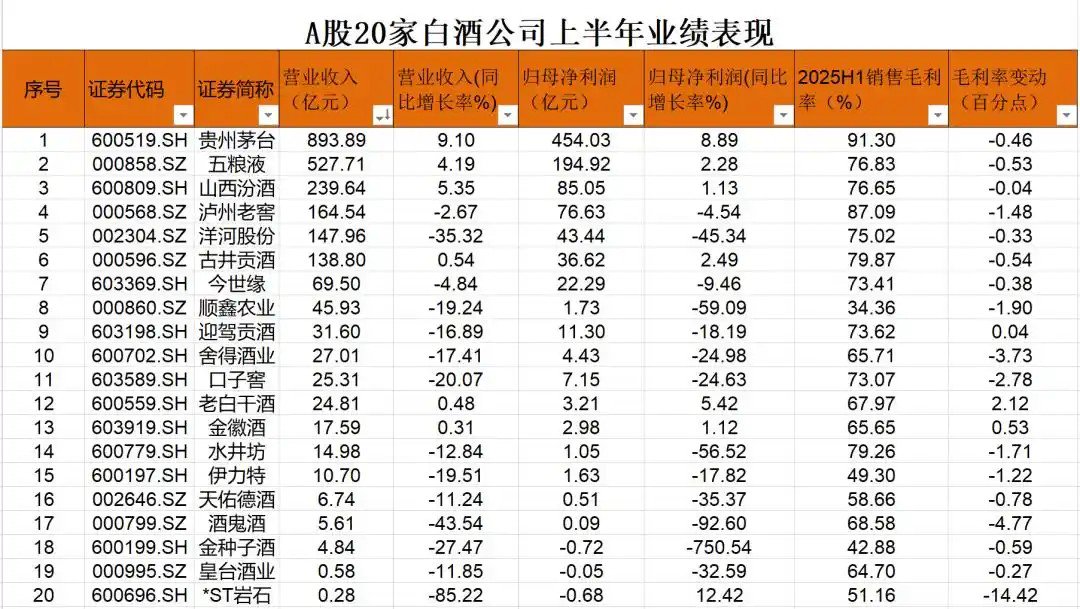
Core Insights - The liquor industry is facing significant challenges, with inventory pressures increasing among A-share liquor companies, rising from 148.5 billion yuan at the end of 2023 to 152.7 billion yuan by Q3 2024 [1] - Young consumers are changing their drinking habits, with a potential market of 490 million young drinkers and a market size of 400 billion yuan, but they are harder to engage compared to previous generations [2][3] - The success of brands like Jinjiu, which saw a 50% sales increase in the first half of 2025, highlights the importance of appealing to younger consumers through social media and health-oriented marketing [4][5] Industry Trends - The liquor market is experiencing a shift, with 21.1% of companies increasing investment in youth-oriented products by mid-2025 [12] - The rise of health-conscious drinking is evident, with the new middle-class segment of health-oriented liquor growing at a compound annual growth rate of 19.8% [7] - The demand for low-alcohol and flavored beverages is increasing, with the low-alcohol market expected to exceed 74 billion yuan by 2025, growing at a rate of 25% [26] Consumer Behavior - Young consumers prioritize emotional value and social experiences over traditional drinking norms, leading to a rise in unique drinking environments and DIY cocktail culture [25][28] - The shift in drinking culture is evident, with 84.8% of young people expressing strong aversion to traditional drinking customs [24] - The popularity of health-oriented products, such as those featuring traditional Chinese medicinal ingredients, is on the rise among younger consumers [29] Company Strategies - Major liquor companies are struggling to connect with younger audiences, as seen in the decline of Moutai's ice cream sales and the challenges faced by Wuliangye in maintaining profit growth [21][16] - Jinjiu's strategy of lowering price points and increasing distribution channels has proven effective, achieving a 78% distribution rate in small restaurants and over 90% in convenience stores [11][10] - Companies like Wuliangye are attempting to innovate with new products and marketing strategies, but face challenges in aligning with the genuine needs of younger consumers [22][23]



白酒进入消费新时代,谁能决定未来?
Sou Hu Cai Jing· 2025-12-16 03:10
Core Insights - The Chinese liquor industry is at a crossroads, transitioning from traditional models to new consumer-driven approaches, focusing on value, experience, and connection [2] Group 1: Value Restructuring - The evolution of liquor consumption in China reflects changes in the national economy and social psychology, transitioning through three main stages: 1.0 (basic sustenance), 2.0 (social currency), and currently 3.0/4.0 (quality and self-enjoyment) [2][3][4] - The current phase emphasizes personal experience and health consciousness, with a significant young population (approximately 400 million aged 14-35, accounting for 28.35% of the total) driving this shift [4] Group 2: Multi-Dimensional Empowerment - The industry consensus has shifted from "who controls the channel wins" to "who captures the youth wins," indicating a marketing and operational transformation towards a user-centered approach [5] - Consumption is evolving from social symbols to emotional companions, with younger consumers preferring lower-alcohol beverages for a relaxed experience, valuing "heart price" and "emotion price" over mere status [5][6] - Product innovation is focusing on health, flavor diversity, and convenient packaging, breaking traditional taste barriers [7][8] - The rise of instant retail is meeting the demand for immediate satisfaction, with significant growth in online sales during promotional events [9] - Social drinking scenarios are diversifying, moving from formal gatherings to casual settings like parties and festivals, with brands leveraging social media for engagement [10][11] Group 3: Systemic Breakthrough - The new era of liquor consumption is characterized by consumer sovereignty, driven by information equality and diverse choices, with competition extending beyond the liquor industry to other beverage categories [12] - Companies need to innovate across multiple dimensions, including product offerings, channel strategies, and brand building, to create a cohesive competitive advantage [13][14] - Successful companies will be those that accurately address the core needs of health and self-enjoyment while implementing systematic innovations in products, channels, and branding [14][15]