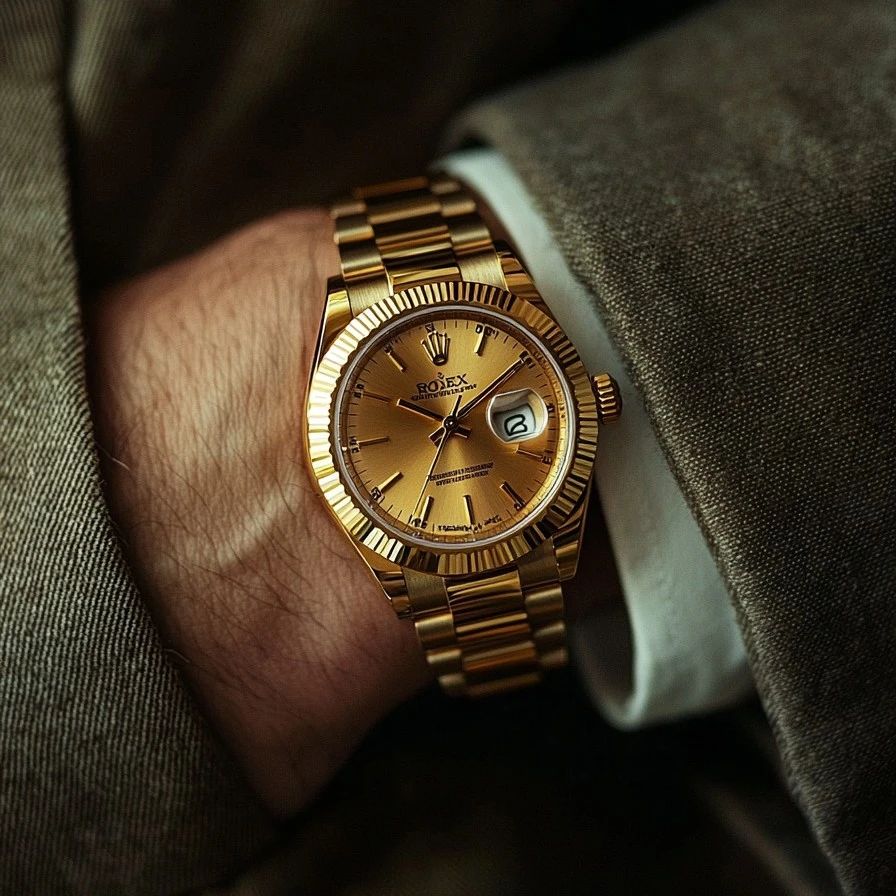
劳力士迪通拿

Search documents
劳力士中国内地开卖官方二手表,能规范二级市场吗
Di Yi Cai Jing· 2026-01-10 13:37
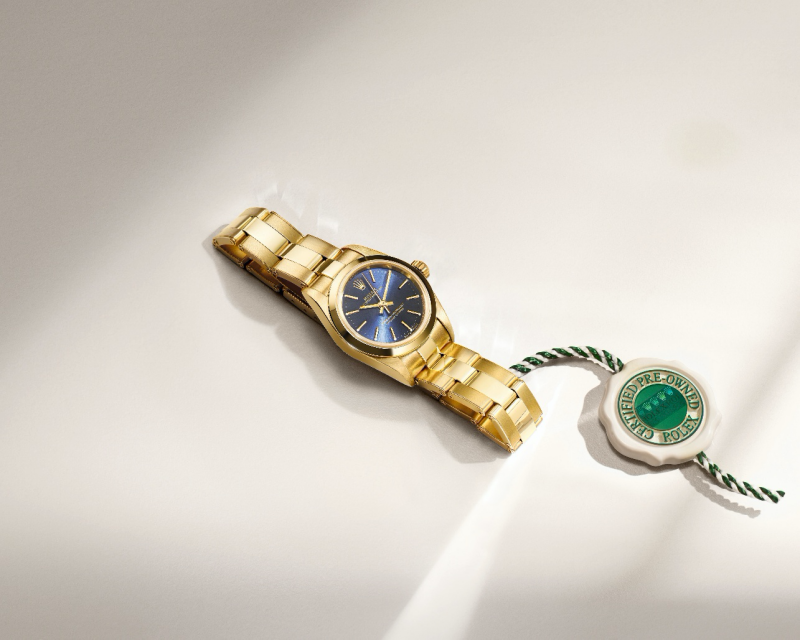
Core Viewpoint - Rolex has officially launched its certified pre-owned watch program in mainland China, aiming to regulate the secondary market, enhance transparency, and support primary watch sales [1][3]. Group 1: Launch of Certified Pre-Owned Program - The Rolex Certified Pre-Owned program was introduced in mainland China at the beginning of the year, with the first store operated by Oriental Watch in Nanjing [1]. - This program allows consumers to purchase refurbished and guaranteed pre-owned Rolex watches through authorized dealers, with a two-year warranty [1][3]. - The initiative began in Switzerland in late 2022 and has since expanded to major global markets, with plans to enter Hong Kong in October 2024 [1]. Group 2: Market Dynamics and Sales Projections - The high-end watch market is experiencing a cooling trend, prompting Rolex to adapt its strategies; sales from the certified pre-owned program are projected to exceed $500 million by 2025 [3]. - According to a report by Morgan Stanley and Luxe Consult, Rolex's sales are expected to surpass 10.5 billion Swiss francs in 2024, capturing a market share of 32% [4]. - Rolex's production capacity is one million units per year, establishing it as a significant player in the luxury watch industry [4]. Group 3: Pricing and Market Transparency - The introduction of the certified pre-owned program is expected to enhance market transparency, as it standardizes pricing and quality assessments for pre-owned watches [3][8]. - Certified pre-owned Rolex watches are priced at least 25% higher than non-certified counterparts, with dealers determining final pricing based on local demand and costs, potentially leading to a premium of 15% to 40% [7]. - The secondary market for Rolex watches is currently at a historical high, with the Rolex price index fluctuating since its peak of over $40,000 in March 2022 [7]. Group 4: Industry Response and Future Outlook - Other luxury watch brands are also entering the pre-owned market, recognizing its potential to drive primary sales by ensuring the value retention of second-hand watches [8]. - The Swiss watch industry is facing challenges, with a reported 7.3% decline in exports in November 2025, prompting secondary market players to adopt competitive pricing strategies [9]. - The long-term impact of Rolex's initiative may help rebuild confidence in the luxury second-hand market, particularly for new buyers, while experienced collectors may still find better deals in the secondary market [9].

劳力士暴跌,中产不接盘了?
创业邦· 2025-03-10 03:26
Core Viewpoint - The luxury watch market, particularly for Rolex, is experiencing a significant decline in second-hand prices, indicating a broader systemic crisis in the luxury goods industry [2][3][4]. Group 1: Market Trends - Rolex's second-hand prices have plummeted from 1.2 million to 500,000, a drop of over 58% [2]. - Other luxury watch brands like Patek Philippe and Audemars Piguet have also seen price declines of 6.5% and 7.4% respectively [3]. - The luxury goods sector is facing challenges, with Kering Group's revenue dropping by 15% in 2023 and Prada reducing the price of its classic nylon bags by 20% [3]. Group 2: Supply and Demand Dynamics - The primary reason for the collapse in the second-hand market is Rolex's mismanagement of supply and demand, which has eroded the perceived value of its watches as investment items [5][6]. - Rolex increased its annual production from 1 million to 1.24 million watches in 2022, leading to a significant reduction in the exclusivity that previously supported high prices [7]. - The introduction of officially certified refurbished Rolex watches has further disrupted the second-hand market by providing consumers with a safer purchasing option, thus diminishing the expected scarcity [8]. Group 3: Consumer Behavior and Economic Factors - The luxury market is witnessing a shift in consumer behavior, with middle-class consumers moving towards practicality and value for money, leading to a decline in luxury spending [11][14]. - High net-worth individuals are increasingly favoring gold as a more stable investment compared to luxury watches, reflecting a broader trend of declining confidence in luxury goods as investment vehicles [9][13]. - The financial pressures of housing, education, and healthcare are forcing consumers to cut back on discretionary spending, contributing to the overall decline in luxury consumption [15]. Group 4: Future Directions for Luxury Brands - Luxury brands may need to pivot towards experiential consumption and technological integration to attract consumers, as evidenced by Moncler's successful experiential marketing strategies [21]. - The potential for "light luxury" products, which offer high-end technology at lower price points, could be a viable strategy for brands looking to expand their customer base [20]. - The luxury goods industry must find new value anchors, as the traditional notions of scarcity and financialization are being challenged by changing consumer perceptions [22][23].