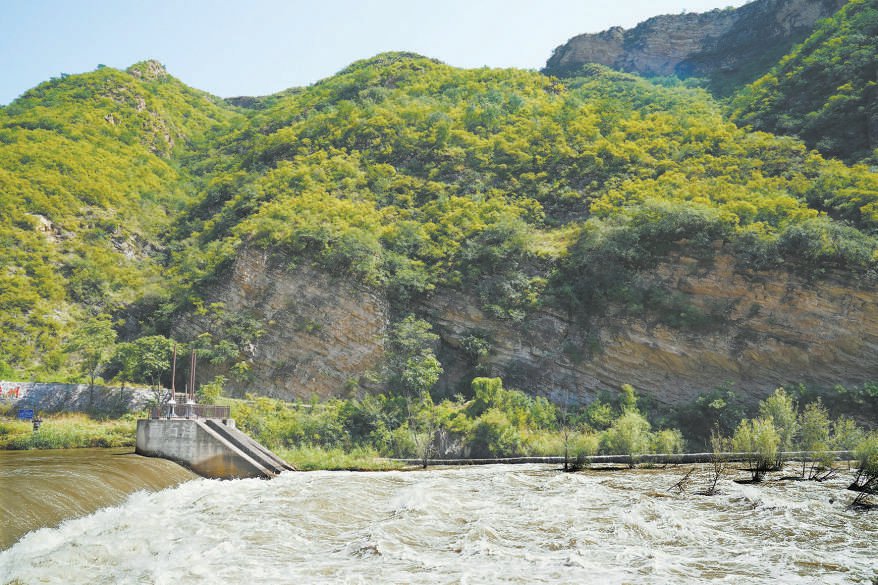
北京门头沟永定河古渠灌溉工程

Search documents
中国世界灌溉工程遗产总数达42项
Ren Min Ri Bao Hai Wai Ban· 2025-09-14 04:01
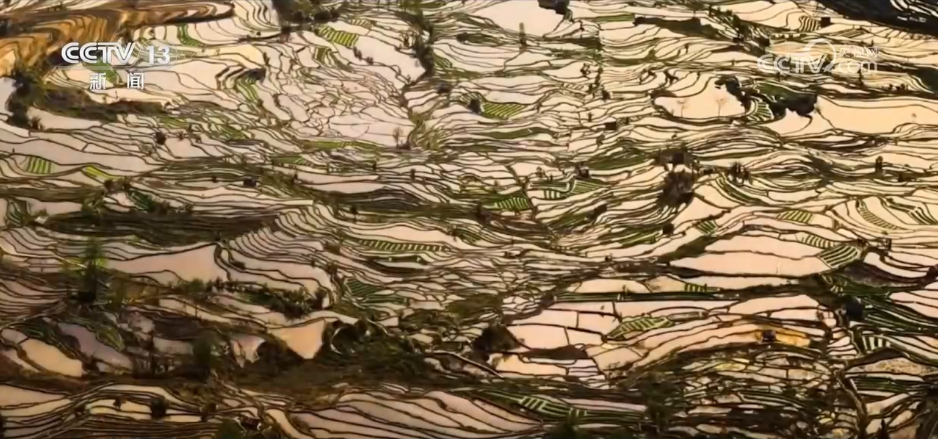
Core Points - The 76th International Executive Council meeting of the International Commission on Irrigation and Drainage was held in Kuala Lumpur, Malaysia, where the 2025 World Irrigation Heritage List was officially announced [1] - Four irrigation projects from China were successfully included in the list, bringing the total number of China's World Irrigation Heritage sites to 42 [1] Summary by Category Selected Projects - The Yunnan Honghe Hani Rice Terraces, located in the Ailao Mountains, cover an irrigation area of 56,100 acres [1] - The Chishan Lake Irrigation Project in Jiangsu Province has a history of over 1,700 years and irrigates an area of 77,000 acres, serving as an important irrigation and flood control project on the upper reaches of the Qinhuai River [1] - The Qianjiang Weir in Sichuan Province, established during the Western Han Dynasty, is a notable representative of the irrigation system in the Longmen Mountain alluvial plain, utilizing a pebble bamboo cage technique for irrigation, flood discharge, and silt removal [1] - The Yongding River Ancient Canal Irrigation Project in Beijing's Mentougou District consists of five ancient canals and surrounding springs and wells, with the Gongyigou canal dating back to the Liao Dynasty [1]
北京门头沟永定河古渠灌溉工程成功入选2025年度世界灌溉工程遗产
Shui Li Bu Wang Zhan· 2025-09-12 15:21
Core Insights - The Beijing Mentougou Yongding River Ancient Canal Irrigation Project has been successfully included in the 2025 World Irrigation Heritage List, marking it as the first irrigation system in the Beijing-Tianjin-Hebei region to receive this honor, enhancing Beijing's cultural profile on a global scale [1] Group 1: Historical Significance - The irrigation system consists of five core ancient canals and surrounding water conservancy relics, with a history dating back to 250 AD during the Three Kingdoms period, originally irrigating an area of 66,000 acres [1] - The Fuxiatai Canal, one of the core canals, is noted for its advanced construction techniques, including the use of blasting technology to shorten the project duration [1] Group 2: Agricultural Impact - The Fuxiatai Canal plays a crucial role in local agriculture, enabling the cultivation of high-quality products such as Fuji apples and Jingbai pears, which have contributed to increased farmer incomes [2] - The canal's management includes seasonal practices such as opening sluice gates for irrigation in spring and clearing silt in winter to maintain water flow [2] Group 3: Engineering and Management Innovations - The ancient canals employ unique techniques to manage sediment and water flow, such as "dam-free water diversion" and "silt control," which effectively mitigate flooding and sedimentation issues [2] - The management model of the irrigation system has historical roots, with the establishment of the earliest farmers' water association in Beijing during the Qing Dynasty, aligning with modern water management principles [3] Group 4: Future Development and Collaboration - The Beijing Water Authority plans to leverage the recognition of the ancient canal for enhanced protection and innovative management, integrating smart water management platforms for dynamic monitoring [3] - Future initiatives will focus on combining canal protection with comprehensive governance of the Yongding River and promoting international cooperation to share China's water management stories [3]
北京再增一张世界级“文化名片”
Bei Jing Wan Bao· 2025-09-11 08:49
Core Viewpoint - The Beijing Mentougou Yongding River Ancient Canal Irrigation Project has been recognized as a World Irrigation Heritage, showcasing ancient water management wisdom and its continued relevance in modern agricultural and ecological practices [1][3][10]. Group 1: Historical Significance - The ancient irrigation system consists of five canals and has historically irrigated up to 66,000 acres, supporting the grain supply and coal transport for Beijing during the Yuan, Ming, and Qing dynasties [3][4]. - The canals have been in use for over 900 years, with the earliest, the Gongyigou Canal, dating back to 1099, still irrigating 354 acres today [5][6]. Group 2: Modern Applications - The ancient canals continue to serve vital functions, such as flood control, agricultural irrigation, and ecological conservation, demonstrating their adaptability to contemporary needs [1][4][10]. - The irrigation system has been integrated into local agriculture, with villagers now primarily cultivating high-value crops like Fuji apples, leading to increased economic prosperity [4][10]. Group 3: Innovative Management - The ancient canals utilize traditional methods to manage water levels effectively, including the use of adjustable barriers to control water flow and prevent flooding [7][9]. - The design of the canals incorporates a reverse slope to facilitate sedimentation, reducing maintenance needs and enhancing efficiency [7][8]. Group 4: Future Development - The project aims to explore new opportunities by linking irrigation heritage with cultural tourism, enhancing local resources and promoting ecological sustainability [9][10]. - Future plans include the integration of smart water management systems and the promotion of a cultural heritage corridor that combines water management with cultural narratives [10].

再添四处,我国世界灌溉工程遗产总数已达42项
Yang Shi Wang· 2025-09-10 06:00
Core Points - The 76th International Executive Council meeting of the International Commission on Irrigation and Drainage was held in Kuala Lumpur, Malaysia, where the 2025 World Irrigation Heritage List was officially announced [1] - Four irrigation projects from China were successfully included in the list: the Yuanyang Hani Rice Terraces in Yunnan, the Chishan Lake Irrigation Project in Jiangsu, the Qianjiang Weir in Sichuan, and the Yongding River Ancient Canal Irrigation Project in Beijing [1][4] Summary by Category - **Irrigation Projects** - The Yuanyang Hani Rice Terraces cover an irrigation area of 56,100 acres and were established during the Tang Dynasty, showcasing a three-dimensional ecological system [4] - The Chishan Lake Irrigation Project, located in Jiangsu, has a history of over 1,700 years and irrigates 77,000 acres, serving as a crucial irrigation and flood control project on the Qinhuai River [4] - The Qianjiang Weir in Sichuan, dating back to the late Western Han Dynasty, currently irrigates 162,000 acres and is a notable example of the Pingliang water distribution system [4] - The Yongding River Ancient Canal Irrigation Project in Beijing consists of five ancient canals and surrounding springs, demonstrating a harmonious relationship between water management and flood prevention [4] - **Heritage Recognition** - The total number of World Irrigation Heritage sites has reached 200 since the establishment of the list in 2014, with China's total now at 42 [7][8]