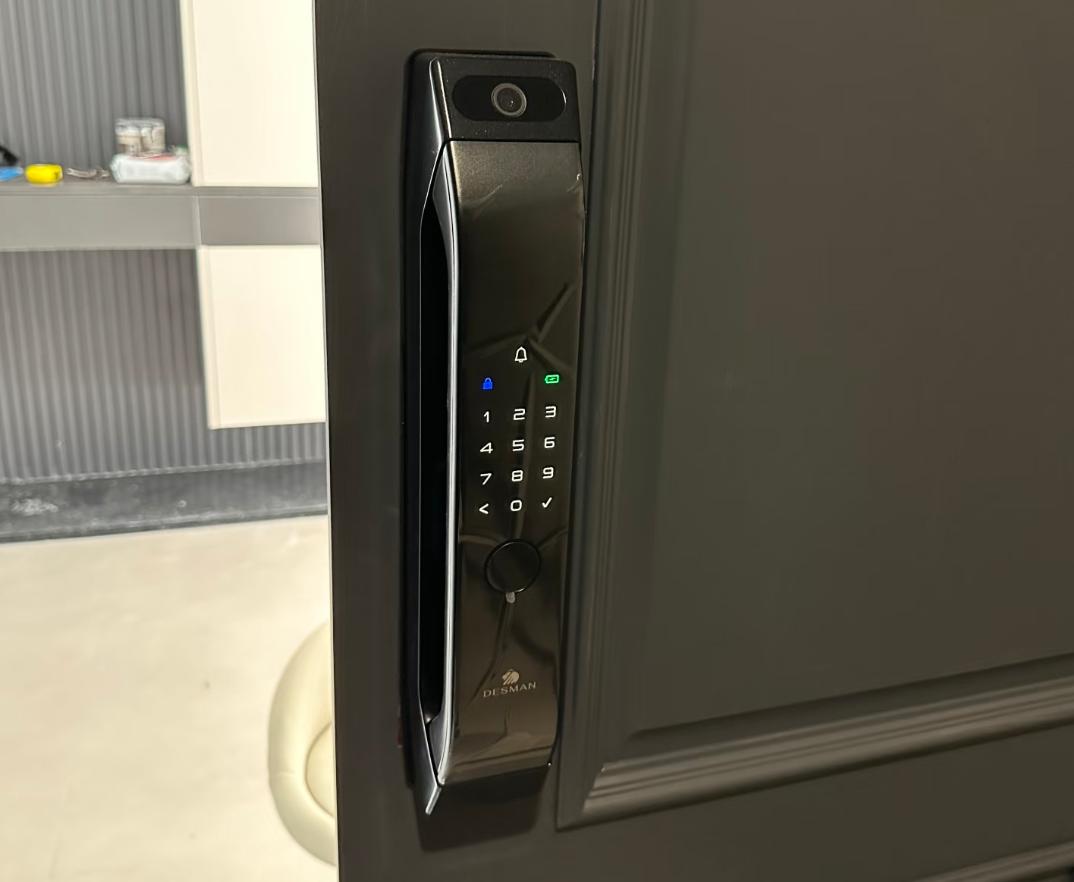
华为智能门锁2 Pro

Search documents
2月9日晚8点锁定京东年货节 潮流数码新年货清单终极放价
Sou Hu Wang· 2026-02-09 03:43
Group 1 - The core theme of the news is the launch of JD's New Year sales event, featuring significant discounts on various digital products to meet consumer demand for new year upgrades [1][13] - The event includes a wide range of products such as projectors, smart wearables, smart home devices, AI glasses, and gaming equipment, with discounts reaching up to 50% [1][13] - Promotions include cash subsidies, interest-free installment plans, and additional gifts with purchases, enhancing the appeal of the offers [1][13] Group 2 - The XGIMI Z6X projector is highlighted as an ideal choice for creating a home theater experience, priced at 1399 yuan, with added benefits like a 2-year warranty and free gifts [3] - Huawei WATCH GT 6 is available for 1222.3 yuan after a 15% subsidy, while Xiaomi Watch 6 is at a historical low of 539 yuan, both offering health and technology features [5] - Smart glasses are gaining popularity among younger consumers, with Xiaomi AI glasses priced at 1849 yuan and Thunderbird viewing glasses at 1099 yuan, both benefiting from subsidies and installment options [7] - For gamers, the Sony PS5 is available for 3149 yuan after a 10% subsidy, along with the Microsoft Xbox controller at 299 yuan, enhancing the gaming experience [9] - Smart home security products like Huawei Smart Lock 2 Pro are offered at 2549.15 yuan with a 15% subsidy, and the Huawei Smart Camera 5i 4K is priced at 189 yuan, providing enhanced home safety [11] - The overall event aims to lower the entry barrier for high-quality digital living, catering to various consumer needs for home upgrades and gifts [13]



曾被吐槽“鸡肋”的AI智能锁,快被年轻人玩坏了
创业邦· 2026-01-12 10:19
Core Viewpoint - The smart lock industry has evolved significantly over the past decade, transitioning from basic electronic locks to advanced AI-driven solutions that enhance security and convenience, with a projected market growth from $2.77 billion in 2024 to $8.1 billion by 2030 [5][7]. Market Overview - The smart lock market in China is experiencing rapid growth, with a penetration rate exceeding 40% in first-tier cities by 2025 [5]. - The global smart door lock market is expected to reach $27.7 billion in 2024 and grow to $81 billion by 2030, indicating a robust demand for smart locking solutions [7]. Industry Dynamics - Major tech companies like Xiaomi, Huawei, and Haier are heavily investing in the smart lock sector, leading to intense competition and a "red ocean" market environment [7][12]. - The number of smart lock brands in China surged from 600 in 2015 to over 3,500 by mid-2018, highlighting the industry's explosive growth [19]. Technological Advancements - The evolution of smart locks has been driven by advancements in AI, biometrics, and IoT technologies, transforming locks from passive security devices to proactive smart solutions [21]. - New features such as 3D facial recognition and palm vein identification are becoming standard in high-end models, addressing previous limitations of fingerprint recognition [34][38]. Consumer Experience - The shift from basic functionality to enhanced user experience is evident, with smart locks now integrating with home automation systems to create a seamless living environment [26][32]. - Companies are focusing on user-friendly features, such as visitor interaction capabilities and automated home settings upon unlocking [30][32]. Challenges and Concerns - Despite advancements, the reliability of smart locks remains a concern, with reports of malfunction leading to security breaches and user dissatisfaction [40][42]. - Data privacy issues are also critical, as many smart locks collect sensitive user information, raising concerns about potential data breaches if not properly secured [44]. Conclusion - The smart lock industry is at a pivotal point, where the focus is not only on technological innovation but also on ensuring security and user trust. The ultimate goal is to provide a reliable solution that allows users to feel safe and secure in their homes [46].



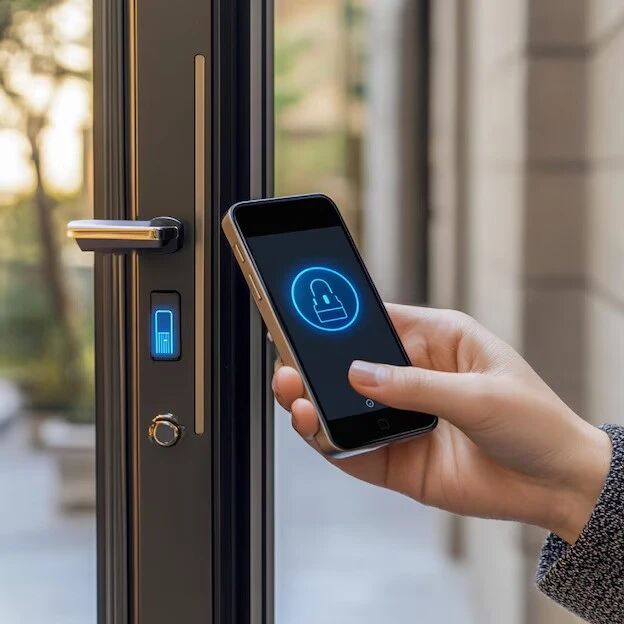
曾被吐槽“智障”的AI智能锁,快被年轻人玩坏了
3 6 Ke· 2026-01-04 09:29
Group 1 - The core idea of the article is the transformation of smart locks from being criticized as "artificial intelligence disabilities" to becoming essential components of smart home ecosystems, driven by technological advancements and consumer demand for convenience and security [36] - The smart lock market in China is experiencing significant growth, with a penetration rate of over 40% in first-tier cities by 2025, and the global smart door lock market is projected to reach $2.77 billion in 2024, growing to $8.1 billion by 2030 [3][10] - Major companies like Xiaomi, Huawei, and Haier are heavily investing in the smart lock sector, leading to intense competition and a "red ocean" market environment [3][14] Group 2 - The evolution of smart locks has led to advanced features such as AI capabilities, biometric recognition, and seamless integration with other smart home devices, enhancing user experience [5][15] - The first batch of smart lock users is entering a 5-7 year replacement cycle, creating a dual opportunity for both replacement and new market penetration [14] - Smart locks are becoming the "first entry point" in smart homes, with companies like Huawei positioning their products as integral to their broader smart home ecosystems [15][17] Group 3 - The article highlights the importance of security and reliability in smart locks, noting that despite advancements, there have been incidents of malfunction and security breaches, raising consumer concerns [29][31] - Companies are focusing on improving biometric recognition technologies, such as palm vein recognition, to address issues with traditional fingerprint locks and enhance security [24][28] - Data privacy is a significant concern, as many smart locks store sensitive user information, and inadequate data encryption could lead to privacy breaches [34]