华盛顿邮报

Search documents
谁将接任“时尚女魔头”?
Hu Xiu· 2025-08-14 12:26
Core Viewpoint - The discussion surrounding Anna Wintour's successor as the editor-in-chief of American Vogue continues, with Chloe Malle emerging as a leading candidate for the position, which is expected to be announced before New York Fashion Week on September 11 [1][2]. Group 1: Candidates for the Position - Chloe Malle, currently the editor of Vogue.com, is favored for the role and is well-liked by Vogue staff [2]. - Other potential candidates include Nicole Phelps, global director of Vogue Runway, and Sara Moonves, editor of W magazine, though Moonves is considered unlikely to transition due to her close ties with W [7]. - Eva Chen, currently at Meta, was previously seen as a strong candidate due to her extensive editorial experience and connections, but she is no longer considered likely to leave her lucrative position [8][9]. - Margaret Zhang, former editor of Vogue China, is also mentioned as a possible successor, but concerns about her network in the U.S. media landscape have been raised [9][10]. Group 2: Industry Context and Implications - The potential acquisition of Vogue's parent company, Condé Nast, by Jeff Bezos is speculated to be motivated by personal reasons related to his wife, Lauren Sánchez, who recently appeared on a Vogue cover [4][6]. - The media industry is facing significant transformation pressures, and the selection of Wintour's successor is complicated by internal restructuring and profitability challenges at Condé Nast [11][12]. - The evolving media landscape and the desire for influential figures to take on leadership roles rather than subordinate positions indicate a shift in the industry dynamics [17].
名利场 ||老钱世界风云:巴菲特为什么要帮这位豪门千金?
Sou Hu Cai Jing· 2025-06-03 04:16
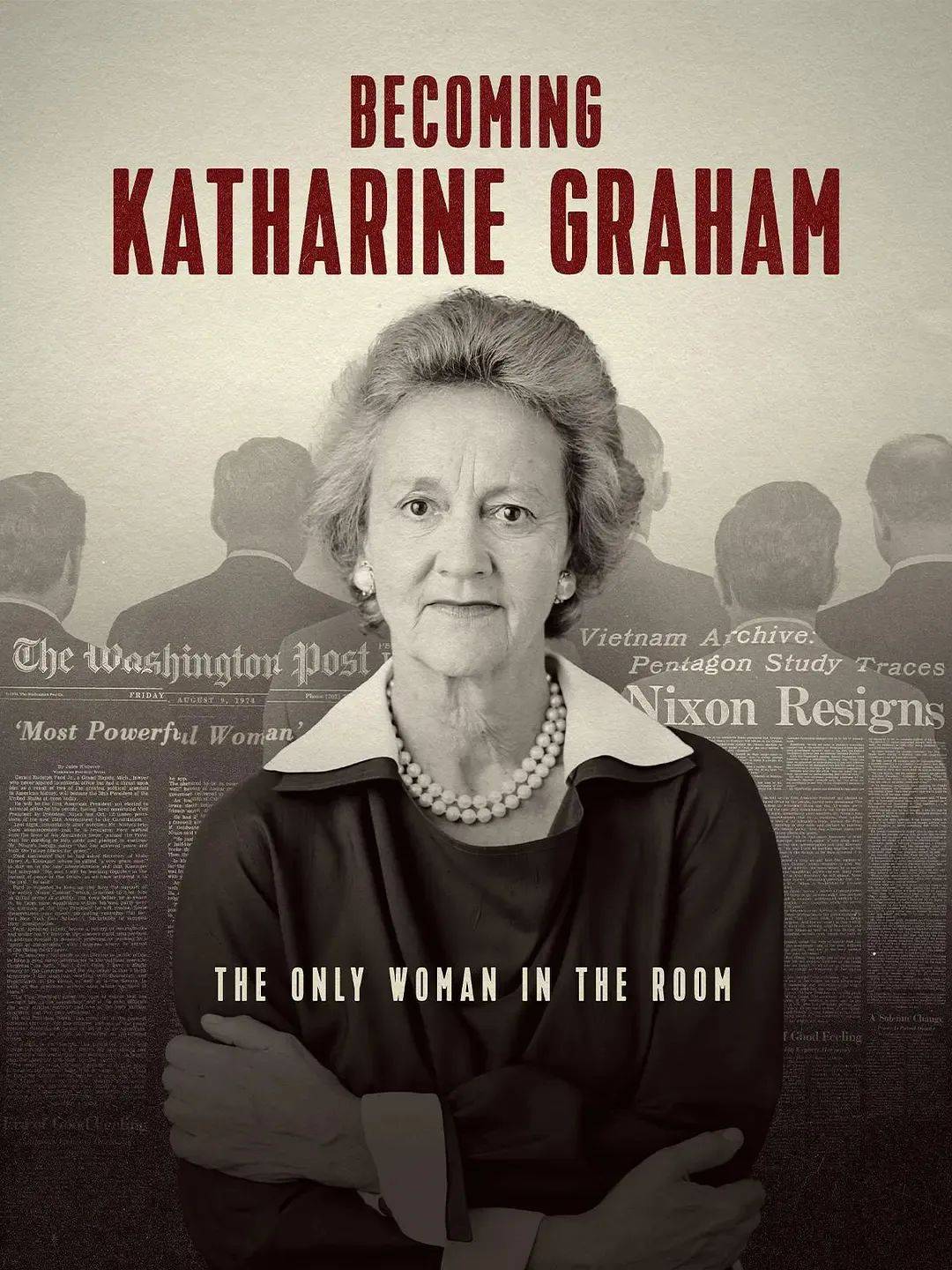
Core Viewpoint - Warren Buffett, once a legendary figure in finance, has announced his retirement and recently gave a rare interview to discuss the life of his close friend, Katharine Graham, the former owner of The Washington Post, highlighting her remarkable journey from a housewife to a top publisher [1][5]. Group 1: Katharine Graham's Life and Achievements - A documentary titled "Becoming Katharine Graham" was released on Amazon Prime, which prompted Buffett's interview, showcasing Graham's transformation from a homemaker to a legendary publisher [5]. - Buffett praised Graham's story, stating it is one worth telling and could change young girls' perceptions of themselves [6]. - Graham's friendship with Buffett lasted over 40 years, beginning in the 1970s, and they shared mutual admiration and support throughout their lives [8][10]. Group 2: Family Background and Early Life - Katharine Graham was born into a wealthy Jewish family; her father, Eugene Meyer, was a prominent financier and the first president of the World Bank after World War II [12]. - Graham's upbringing was influenced by her parents' high expectations, instilling in her the belief that they were destined to achieve great things [33][35]. - Eugene Meyer purchased The Washington Post in 1933 for $825,000, aiming to create a significant newspaper for the capital [55]. Group 3: Transition to Leadership - After her husband, Philip Graham, struggled with mental health issues and ultimately committed suicide in 1963, Katharine took over as president of The Washington Post [85][90]. - Her leadership coincided with significant social events in the U.S., including the women's liberation movement, which influenced her perspective and role in the media [101][108]. - Under her leadership, The Washington Post became a key player in major events like the Pentagon Papers and the Watergate scandal, solidifying its reputation [115][117]. Group 4: Relationship with Warren Buffett - In 1973, Buffett's company acquired a 10% stake in The Washington Post, marking the beginning of a long-lasting friendship that went beyond a typical shareholder relationship [141]. - Despite initial concerns from Graham about Buffett's intentions, she was impressed by his character and integrity after meeting him [148]. - Buffett's investment and support played a crucial role in the growth and stability of The Washington Post during challenging times [150].