卜骨

Search documents
新时代中国调研行之文化中华·文旅新探丨石峁遗址:黄土高原上的文明回响
Xin Hua She· 2025-09-23 17:52
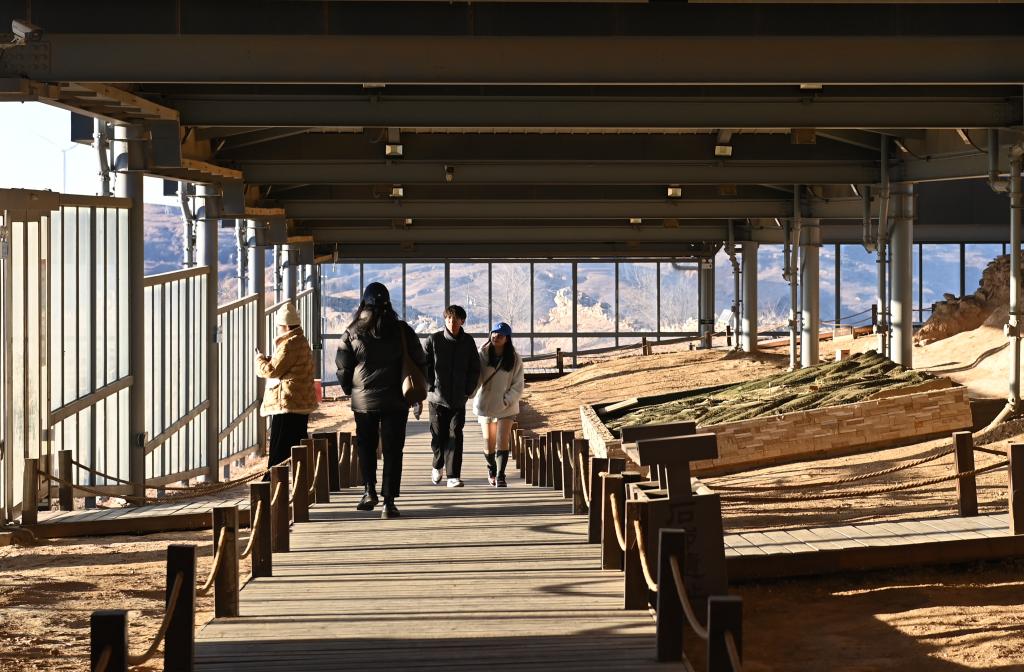
Core Insights - The Shimao archaeological site in northern Shaanxi, China, is revealing significant insights into the origins and development of Chinese civilization, with discoveries dating back over 4,000 years [1][2]. Archaeological Discoveries - The Shimao site features a large prehistoric city with a complex structure including a royal city, inner city, and outer city, covering an area of over 4 million square meters [2]. - Notable findings include a large stone sculpture with a divine face, which symbolizes a connection between the human and supernatural realms, reflecting the cultural identity of the Shimao people [2][4]. - The site has yielded a vast number of exquisite jade artifacts, despite being located in a region not known for jade production, indicating a unique cultural practice of embedding jade within the stone walls [4][6]. Cultural Significance - The discoveries at Shimao have led to new understandings of prehistoric Chinese civilization, with scholars proposing that it may have been the capital of the pre-Xia dynasty or a settlement of the Yellow Emperor's tribe [7]. - Advanced techniques in archaeology, including the use of MR holographic technology, have been employed to visualize and present the findings, enhancing public engagement with the site [7]. Tourism and Heritage - The Shimao site has been included in the "Preliminary List of World Cultural Heritage" in China, and the establishment of the Shimao Museum and National Archaeological Site Park is attracting tourists [7].

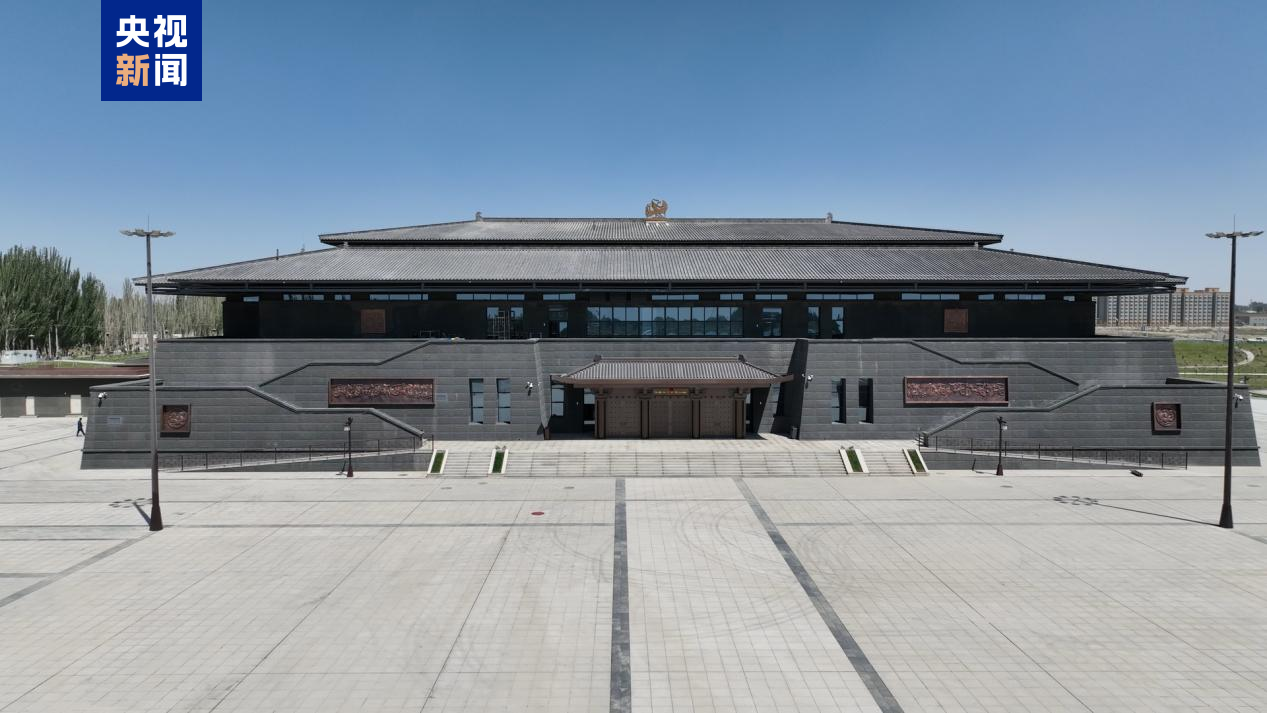
西域都护府博物馆震撼开馆!463件文物揭秘汉代边疆治理史
Yang Shi Xin Wen Ke Hu Duan· 2025-05-18 12:34
Core Viewpoint - The opening of the Western Region Protectorate Museum in Xinjiang showcases 463 artifacts that highlight the historical background and cultural significance of the Western Region Protectorate, as well as the interactions among various ethnic groups [1] Group 1: Museum Overview - The museum features a permanent exhibition themed "Suspended Flags for Thousands of Miles," divided into five sections: "Establishment of the Protectorate, Orders in the Western Region, Opening Up New Territories, Han System as a Model, and Building Together with One Heart" [3] - Important archaeological findings, including the ancient city of Zhuoerkute and the ancient site of Kuiyuke Xiehaier, are presented for the first time to the public [3] Group 2: Archaeological Significance - The museum director, Tang Yulan, highlighted unique artifacts from Zhuoerkute, including three well-preserved oracle bones, which are considered unique in the region [5] - Artifacts such as oracle bones and food vessels from the Central Plains and Hexi regions provide strong evidence of the close ties between the Western Region and these areas during the Han Dynasty [7] Group 3: Historical Context - The Western Region Protectorate was established in 60 BC in Wuleicheng, symbolizing the central government's sovereignty over the Western Region [8] - Since 2018, a major archaeological project has been underway to locate the specific site of the Western Region Protectorate, with extensive excavations conducted over 15 years at the Zhuoerkute site, confirming its significance as a key location [8] Group 4: Cultural Exchange - Professor Chen Ling from Peking University noted the discovery of a beautifully crafted bronze bell, which represents a first in both Xinjiang and the Central Plains, highlighting the cultural exchange and recognition facilitated by the central government's effective governance in the region [10]