压岁钱

Search documents
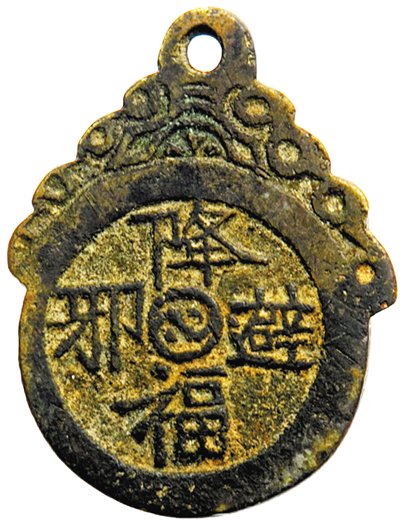
从厌胜到压岁:一枚铜钱背后的千年祝福
Xin Lang Cai Jing· 2026-02-09 02:49
Core Viewpoint - The tradition of giving "lucky money" during the Spring Festival has evolved from its ancient origins as a tool for warding off evil spirits, known as "Yansheng money," which dates back over two thousand years to the Han Dynasty [2][3]. Group 1: Historical Background - "Yansheng money" was initially used as a talisman against evil spirits, with its name meaning to "suppress and conquer" [2]. - The earliest forms of Yansheng money appeared during the Han Dynasty, featuring auspicious phrases and symbols intended to convey blessings and drive away misfortune [2][3]. - The design of Yansheng money reflects early financial philosophy, symbolizing the connection between heaven and earth, and its annual circulation aligns with agricultural cycles [3]. Group 2: Evolution of the Tradition - The transformation from Yansheng money to "lucky money" for children is linked to folklore about a malevolent spirit called "Cui," which would harm sleeping children on New Year's Eve [4]. - A popular story describes how a family used copper coins wrapped in red paper to scare away the spirit, leading to the term "lucky money" evolving from "Cui money" due to phonetic similarities [4]. - The Tang Dynasty saw the emergence of "Xier money," which combined the functions of celebrating births and warding off evil, marking a significant transition towards the modern practice of giving lucky money [4][5]. Group 3: Cultural Significance - By the Song Dynasty, lucky money had become an established part of New Year customs, reflecting the growing importance of this tradition in Chinese culture [5]. - The practice evolved to include both monetary and symbolic value, with the Ming and Qing Dynasties seeing the use of red strings to tie coins, which later transitioned to red paper wrapping in the Republic era [5]. - Ultimately, lucky money transcended its original monetary purpose, becoming a symbol of love, heritage, and hope within Chinese culture [5].