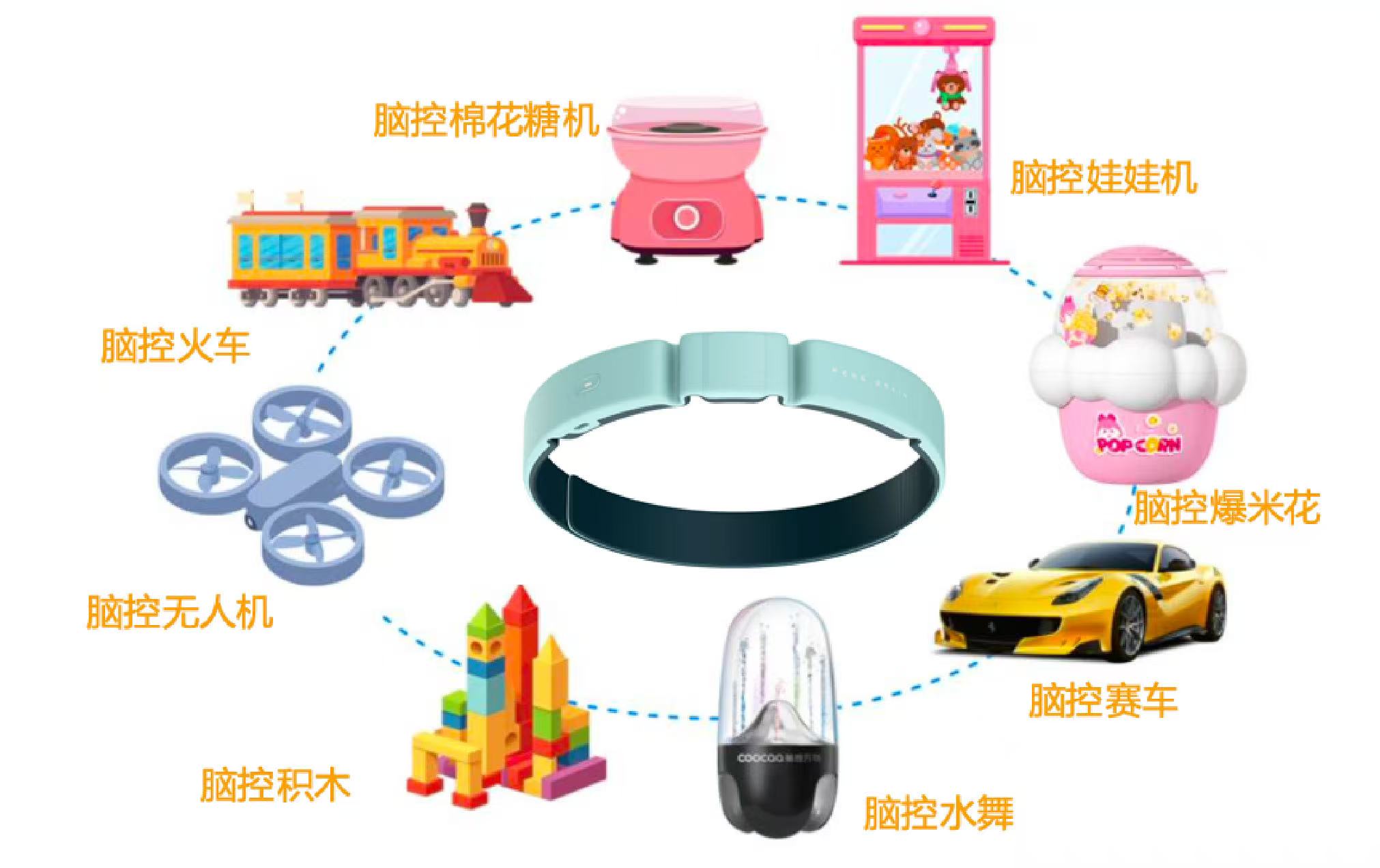
双通道脑电采集头环

Search documents
脑机接口产业迎来“黄金发展期” 三大技术路线并行发展
Ke Ji Ri Bao· 2026-01-05 01:30
Core Insights - The brain-computer interface (BCI) industry is entering a "golden development period," characterized by significant advancements from laboratory innovations to clinical applications [1][2][3] Group 1: Technological Advancements - In 2025, significant milestones were achieved in BCI technology, including the first clinical trials of flexible micro-invasive BCI systems and the first intervention-assisted trials for restoring limb function [2][3] - Three main technological routes are developing in parallel: invasive, semi-invasive, and non-invasive techniques, with invasive methods being central to medical rehabilitation due to their high signal acquisition precision [3][4] - The semi-invasive BCI system developed by Borui Kang Technology requires only a small hole in the skull for implantation, allowing patients to control movements through thought [4] Group 2: Clinical Applications and Breakthroughs - Clinical breakthroughs include the successful restoration of walking in patients with severe spinal cord injuries through innovative BCI technologies [3][4] - A variety of new BCI applications are emerging, such as a visual reconstruction system for visually impaired patients and a wireless, fully implanted BCI product that has completed its first clinical trial [10][11] Group 3: Industry Growth and Policy Support - The establishment of pricing regulations for BCI services by the National Medical Insurance Administration marks a significant step in integrating this technology into public healthcare [6][8] - Various regions, including Shanghai and the Guangdong-Hong Kong-Macau Greater Bay Area, are forming BCI innovation clusters to enhance industry capabilities and foster collaboration among enterprises, hospitals, and research institutions [7][8] Group 4: Future Prospects - Experts predict that 2026 will be a pivotal year for the BCI industry, with advancements in multi-disciplinary integration, clinical scalability, and diverse application scenarios [9][10] - The anticipated mass production of certain BCI devices will pave the way for a diversified application ecosystem, enhancing the potential for widespread commercial use [10][11]
脑机接口产业迎来“黄金发展期”
Huan Qiu Wang Zi Xun· 2026-01-05 01:28
Core Insights - The article highlights the rapid advancements in brain-computer interface (BCI) technology in China, showcasing significant clinical achievements and the emergence of a collaborative ecosystem for innovation in this field [1][5][10] Group 1: Clinical Breakthroughs - Patients with paralysis have shown remarkable recovery, such as playing games like "Snake" and "Mario Kart" through thought control, demonstrating the potential of BCI technology [1] - In 2025, several pioneering clinical trials were conducted, including the world's first intervention-assisted BCI for restoring limb function and the first clinical implantation of domestically developed BCI chips [2][3] - Invasive, semi-invasive, and non-invasive BCI technologies are developing concurrently, with invasive methods providing high signal accuracy and non-invasive methods expanding into broader markets due to lower costs [3][4] Group 2: Technological Advancements - The semi-invasive BCI system NEO has been developed, requiring only a small hole in the skull for implantation, allowing patients to control movements through thought [4] - Significant breakthroughs in core components and decoding algorithms have been achieved, enhancing the stability and precision of BCI devices [4] Group 3: Industry Development - The establishment of pricing regulations for BCI services by the National Medical Insurance Administration marks a significant step towards integrating this technology into healthcare [5] - A national BCI industrial cluster is forming, with various regions, including Shanghai and Jiangxi, actively promoting BCI innovation and development [6][7] Group 4: Future Prospects - Experts predict that 2026 will be a pivotal year for the BCI industry, characterized by multi-disciplinary integration and diverse application scenarios [8] - Recent innovations, such as a visual reconstruction system for visually impaired patients and a fully implanted wireless BCI, indicate a trend towards practical applications of BCI technology [9][10]
脑机接口走向消费级产品,从业者称缺标准、人才及数据共享平台
Di Yi Cai Jing· 2025-11-18 06:27
今年被视为脑机接口产业化元年,目前脑机接口技术开始走向消费级产品。鹏脑科技总经理马帅近日向第一财经记者透露,接下来将有应用脑机接口技术的 普惠型消费级产品上市,其中包括脑电助眠仪和双通道脑电采集头环。 鹏脑科技是创维集团及旗下酷开网络孵化的脑机接口企业,今年10月获得同创伟业数千万元的天使轮融资。马帅说,双通道脑电采集头环将适用于儿童专注 力提升、老年人认知康复等场景,还可用于科普,预计明年年初上市。 今年中国"十五五"规划提出前瞻布局未来产业,推动脑机接口等六个产业成为新的经济增长点。政策正促进脑机接口技术从实验室迈向规模化发展。除了鹏 脑科技、盈趣科技,把脑机接口技术应用于假肢领域的强脑科技近期也有动作。强脑科技已落户香港数码港,将加快在民用市场的发展。 目前脑机接口消费级产品在精准度、体验改善、成本优化上还有很大提升空间。 不过,脑机接口技术产业化仍面临不少挑战。马帅说,目前缺乏生物医学、神经工程学、脑科学、计算机、AI等跨学科复合型人才,缺少脑电数据共享平 台,脑电传感器的精准度有待提高,行业标准有待完善,脑电接口消费级产品的审核流程较长。 不久前,盈趣科技参股的北洋瑞恒展示了脑电波仪,可实时捕捉脑电 ...