
可降解一次性杯子

Search documents
部分难降解、个别致癌物超标!可降解一次性杯子调查
Yang Shi Xin Wen Ke Hu Duan· 2026-02-08 10:54
Core Viewpoint - The market for biodegradable disposable cups is experiencing rapid growth due to environmental concerns, but consumers find it difficult to distinguish between biodegradable and non-biodegradable products [1][3]. Group 1: Market Trends - Biodegradable disposable cups are marketed as environmentally friendly, often claiming to be made from natural materials like rice husks [3][5]. - A comparative test conducted by the Shanghai Consumer Protection Committee revealed that many products labeled as biodegradable contain non-biodegradable materials like polypropylene (PP) to reduce costs [10][12]. Group 2: Testing and Results - The Shanghai Consumer Protection Committee collected 40 samples of disposable cups for testing, including plastic, paper, and those claiming to be plant-based biodegradable [5]. - One tested cup, which claimed to be biodegradable, remained intact after 20 days, indicating it did not decompose due to the presence of PP plastic [7][8]. Group 3: Safety Concerns - The test results showed that some cups exceeded safety limits for harmful substances, such as 3-chloro-1,2-propanediol, which is linked to serious health risks [16][17]. - Another product, a paper cup, was found to have excessive total fluorine content, which can accumulate in the environment and potentially harm human health [19]. Group 4: Industry Implications - The presence of non-biodegradable materials in products marketed as biodegradable creates confusion for consumers and undermines the green industry [12][14]. - Experts suggest that the rapid development of technology in this sector necessitates updated standards and increased government regulation to ensure product safety and environmental integrity [21][23].

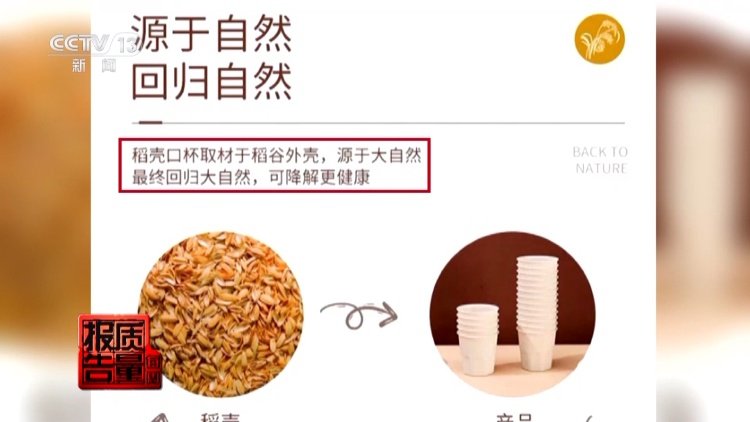
每周质量报告丨部分难降解、个别致癌物超标!可降解一次性杯子调查
Xin Lang Cai Jing· 2026-02-08 07:09
Core Viewpoint - The article highlights the growing consumer concern regarding the distinction between biodegradable and non-biodegradable disposable cups, prompting a comparative study by the Shanghai Consumer Protection Committee to assess the environmental performance of these products [1][8]. Group 1: Biodegradable Cup Testing - The Shanghai Consumer Protection Committee conducted tests on 40 samples of disposable cups, including plastic, paper, and those claiming to be biodegradable from plant materials [1][5]. - Testing involved composting trials to evaluate the degradation performance of cups made from biodegradable starch-based materials combined with polypropylene (PP) plastic [2][4]. Group 2: Findings on Degradation Performance - Results indicated that a cup claiming to be biodegradable remained intact after 10, 20, and even at the end of the testing period, showing no signs of degradation due to the presence of PP plastic [4]. - Many cups marketed as biodegradable contained a mix of biodegradable materials like cassava and corn starch, along with non-biodegradable PP plastic, which is used to reduce costs [5]. Group 3: Industry Concerns and Consumer Impact - The high cost of biodegradable materials leads some manufacturers to use cheaper non-biodegradable materials, creating a situation where consumers struggle to identify truly biodegradable products, negatively impacting the green industry [6][8]. - Merchants selling disposable cups are aware of the misleading claims regarding biodegradability, and both manufacturers and retailers confirm that some products do not fully degrade due to the inclusion of non-degradable materials [8]. Group 4: Safety and Regulatory Issues - The Shanghai Consumer Protection Committee reported that certain products, such as the Huylin brand disposable tea cup, had 3-chloro-1,2-propanediol levels exceeding national standards by three times, posing health risks [10]. - Another product, the Yingjie brand paper cup, was found to have total fluorine content exceeding safety limits, attributed to the addition of fluorinated compounds that do not degrade in the environment [12]. - Experts suggest that the root cause of these harmful substance exceedances lies in companies' excessive cost-cutting measures [12][14]. Group 5: Recommendations for Industry Improvement - Experts recommend updating standards to keep pace with rapid technological advancements in the industry and emphasize the importance of safety as a legal baseline for disposable cups [14][16]. - The article calls for industry self-regulation and government oversight to ensure that disposable cups are both environmentally friendly and safe for consumers [16].
