
可降解

Search documents
格林美涨2.08%,成交额6.12亿元,主力资金净流入2435.93万元
Xin Lang Cai Jing· 2026-02-27 02:08
Core Viewpoint - Greeenme's stock price has shown significant growth in 2023, with a year-to-date increase of 17.34% and notable trading activity, indicating strong investor interest and market performance [1][2]. Group 1: Stock Performance - On February 27, Greenme's stock rose by 2.08%, reaching 9.81 CNY per share, with a trading volume of 6.12 billion CNY and a turnover rate of 1.24%, resulting in a total market capitalization of 500.64 billion CNY [1]. - The stock has experienced a 1.76% increase over the last five trading days, an 8.28% increase over the last 20 days, and a 29.42% increase over the last 60 days [1]. - Greenme has appeared on the "Dragon and Tiger List" once this year, with a net purchase of 4.11 billion CNY on February 11, accounting for 15.73% of total trading volume [1]. Group 2: Company Overview - Greenme, established on December 28, 2001, and listed on January 22, 2010, is based in Shenzhen, China, and specializes in the recycling of cobalt and nickel resources, as well as electronic waste [2]. - The company's main revenue sources include ternary precursors (38.70%), nickel resources (15.73%), and cobalt-related products (12.28%), among others [2]. - As of February 10, 2025, Greenme had 391,600 shareholders, with an average of 12,960 circulating shares per shareholder [2]. Group 3: Financial Performance - For the period from January to September 2025, Greenme reported a revenue of 27.498 billion CNY, reflecting a year-on-year growth of 10.55%, and a net profit attributable to shareholders of 1.109 billion CNY, up 22.66% [2]. - The company has distributed a total of 1.825 billion CNY in dividends since its A-share listing, with 1.002 billion CNY distributed over the past three years [3]. Group 4: Shareholder Structure - As of September 30, 2025, the second-largest shareholder is Hong Kong Central Clearing Limited, holding 111 million shares, a decrease of 14.5245 million shares from the previous period [3]. - The third-largest shareholder is Southern CSI 500 ETF, holding 74.5979 million shares, down by 1.4917 million shares [3]. - New shareholders include Guangfa National New Energy Vehicle Battery ETF, holding 52.7594 million shares, and Huatai-PineBridge CSI Battery Theme ETF, holding 26.7343 million shares [3].

莫高股份跌2.01%,成交额514.99万元
Xin Lang Zheng Quan· 2026-02-12 01:47
Group 1 - The core viewpoint of the news is that Mogao Co., Ltd. has experienced a decline in stock price and significant decreases in revenue and net profit for the year 2025 [1] - As of February 12, the stock price of Mogao Co., Ltd. was 5.36 yuan per share, with a market capitalization of 1.721 billion yuan [1] - The company has seen a year-to-date stock price increase of 0.94%, but a decline of 2.90% over the past 20 days and 18.17% over the past 60 days [1] Group 2 - Mogao Co., Ltd. was established on December 29, 1995, and listed on March 24, 2004, with its main business involving grape cultivation and wine production and sales [1] - The revenue composition of the company includes: membrane bags 45.95%, biodegradable materials and products 24.97%, pharmaceuticals 12.71%, and agriculture planting and processing 8.13% [1] - As of September 30, the number of shareholders was 21,900, a decrease of 18.04% from the previous period, while the average circulating shares per person increased by 22.02% to 14,652 shares [1] Group 3 - For the period from January to September 2025, Mogao Co., Ltd. reported operating revenue of 143 million yuan, a year-on-year decrease of 36.49%, and a net profit attributable to the parent company of -49.87 million yuan, a year-on-year decrease of 83.10% [1] - The company has distributed a total of 41.9765 million yuan in dividends since its A-share listing, with no dividends distributed in the past three years [2]

致癌物超标3倍!很多人家里有,网友:吓得我赶紧全扔了
Xin Lang Cai Jing· 2026-02-09 05:10
Core Viewpoint - The market for biodegradable disposable cups is experiencing rapid growth due to environmental concerns, but many consumers struggle to distinguish between truly biodegradable and non-biodegradable products [1][3]. Group 1: Testing and Findings - The Shanghai Consumer Protection Committee conducted a comparative test on 40 samples of disposable cups, including plastic, paper, and those claiming to be biodegradable from plant materials [3]. - A specific cup claimed to be biodegradable but contained added polypropylene (PP) plastic, which prevented it from fully degrading over time [5][6]. - The testing revealed that some cups labeled as biodegradable were not, due to the inclusion of non-biodegradable materials, leading to consumer confusion [11]. Group 2: Health and Safety Concerns - The "Huilin" brand disposable tea cup was found to have 3-chloro-1,2-propanediol levels exceeding national safety limits by three times, posing potential health risks [13]. - The "Yingjie" brand paper cup was detected with total fluorine content exceeding safety standards, attributed to the inclusion of fluorinated compounds that are non-degradable and can accumulate in the environment [16]. - Experts indicated that the presence of harmful substances is often a result of companies prioritizing cost-cutting measures over safety [18]. Group 3: Industry Recommendations - Experts suggest that the rapid evolution of materials and technologies in the disposable cup industry necessitates timely updates to standards and increased government regulation to ensure safe and environmentally friendly products [19][21]. - The industry is encouraged to self-regulate and for regulatory bodies to implement measures that enhance the safety and environmental performance of disposable cups [21].

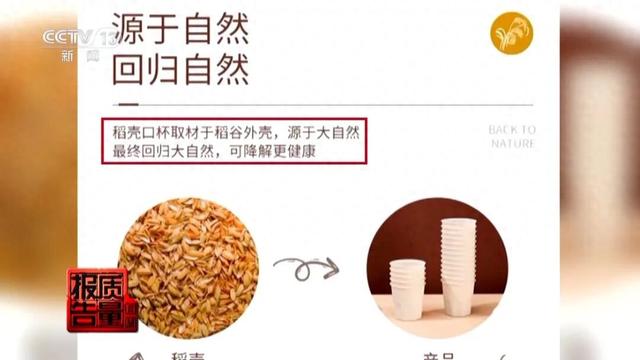
致癌物超标!这种一次性杯子赶紧扔了
Xin Lang Cai Jing· 2026-02-08 11:22
Core Viewpoint - The market for biodegradable disposable cups is experiencing rapid growth due to environmental concerns, but consumers find it difficult to distinguish between biodegradable and non-biodegradable products [1][2]. Group 1: Testing and Findings - The Shanghai Consumer Protection Committee conducted a comparative test on 40 samples of disposable cups, including plastic, paper, and those claiming to be biodegradable [4]. - A specific cup claimed to be biodegradable but contained PP plastic, which prevented it from fully degrading even after 20 days of testing [6][7]. - Some merchants are aware that certain products labeled as biodegradable do not fully decompose due to the inclusion of non-biodegradable materials, leading to consumer confusion [12]. Group 2: Safety Concerns - The "Huilin" brand disposable tea cup was found to have 3-chloro-1,2-propanediol levels exceeding national standards by three times, posing potential health risks [14]. - The "Yingjie" brand paper cup was detected with total fluorine content exceeding regulatory limits, attributed to the addition of fluorinated compounds that are non-degradable [17]. - Experts indicate that the presence of harmful substances is often due to companies prioritizing cost reduction over safety [19]. Group 3: Industry Recommendations - Experts suggest that industry standards need to be updated to keep pace with rapid technological advancements in disposable cup production [20][22]. - The safety of disposable cups should be a legal baseline, and issues of falsely advertised environmental performance directly impact consumer interests [22].
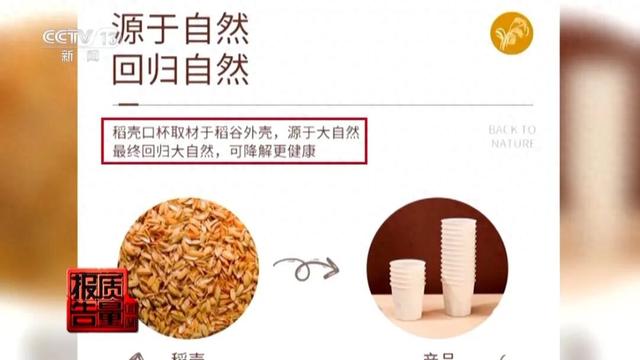
部分难降解、个别致癌物超标!可降解一次性杯子调查
Yang Shi Xin Wen Ke Hu Duan· 2026-02-08 10:54
Core Viewpoint - The market for biodegradable disposable cups is experiencing rapid growth due to environmental concerns, but consumers find it difficult to distinguish between biodegradable and non-biodegradable products [1][3]. Group 1: Market Trends - Biodegradable disposable cups are marketed as environmentally friendly, often claiming to be made from natural materials like rice husks [3][5]. - A comparative test conducted by the Shanghai Consumer Protection Committee revealed that many products labeled as biodegradable contain non-biodegradable materials like polypropylene (PP) to reduce costs [10][12]. Group 2: Testing and Results - The Shanghai Consumer Protection Committee collected 40 samples of disposable cups for testing, including plastic, paper, and those claiming to be plant-based biodegradable [5]. - One tested cup, which claimed to be biodegradable, remained intact after 20 days, indicating it did not decompose due to the presence of PP plastic [7][8]. Group 3: Safety Concerns - The test results showed that some cups exceeded safety limits for harmful substances, such as 3-chloro-1,2-propanediol, which is linked to serious health risks [16][17]. - Another product, a paper cup, was found to have excessive total fluorine content, which can accumulate in the environment and potentially harm human health [19]. Group 4: Industry Implications - The presence of non-biodegradable materials in products marketed as biodegradable creates confusion for consumers and undermines the green industry [12][14]. - Experts suggest that the rapid development of technology in this sector necessitates updated standards and increased government regulation to ensure product safety and environmental integrity [21][23].
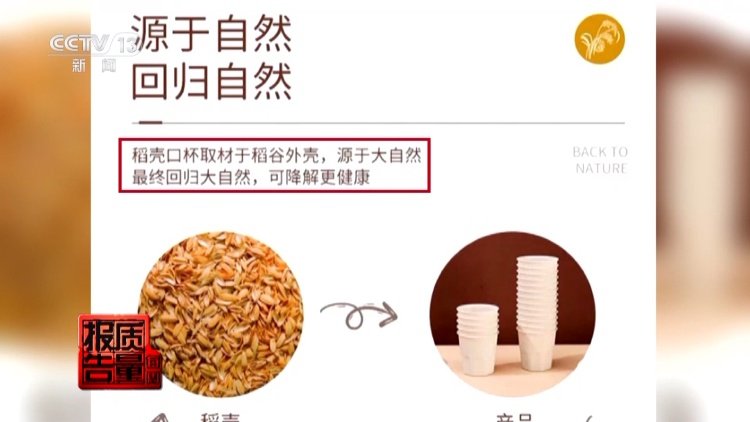
每周质量报告丨部分难降解、个别致癌物超标!可降解一次性杯子调查
Xin Lang Cai Jing· 2026-02-08 07:09
Core Viewpoint - The article highlights the growing consumer concern regarding the distinction between biodegradable and non-biodegradable disposable cups, prompting a comparative study by the Shanghai Consumer Protection Committee to assess the environmental performance of these products [1][8]. Group 1: Biodegradable Cup Testing - The Shanghai Consumer Protection Committee conducted tests on 40 samples of disposable cups, including plastic, paper, and those claiming to be biodegradable from plant materials [1][5]. - Testing involved composting trials to evaluate the degradation performance of cups made from biodegradable starch-based materials combined with polypropylene (PP) plastic [2][4]. Group 2: Findings on Degradation Performance - Results indicated that a cup claiming to be biodegradable remained intact after 10, 20, and even at the end of the testing period, showing no signs of degradation due to the presence of PP plastic [4]. - Many cups marketed as biodegradable contained a mix of biodegradable materials like cassava and corn starch, along with non-biodegradable PP plastic, which is used to reduce costs [5]. Group 3: Industry Concerns and Consumer Impact - The high cost of biodegradable materials leads some manufacturers to use cheaper non-biodegradable materials, creating a situation where consumers struggle to identify truly biodegradable products, negatively impacting the green industry [6][8]. - Merchants selling disposable cups are aware of the misleading claims regarding biodegradability, and both manufacturers and retailers confirm that some products do not fully degrade due to the inclusion of non-degradable materials [8]. Group 4: Safety and Regulatory Issues - The Shanghai Consumer Protection Committee reported that certain products, such as the Huylin brand disposable tea cup, had 3-chloro-1,2-propanediol levels exceeding national standards by three times, posing health risks [10]. - Another product, the Yingjie brand paper cup, was found to have total fluorine content exceeding safety limits, attributed to the addition of fluorinated compounds that do not degrade in the environment [12]. - Experts suggest that the root cause of these harmful substance exceedances lies in companies' excessive cost-cutting measures [12][14]. Group 5: Recommendations for Industry Improvement - Experts recommend updating standards to keep pace with rapid technological advancements in the industry and emphasize the importance of safety as a legal baseline for disposable cups [14][16]. - The article calls for industry self-regulation and government oversight to ensure that disposable cups are both environmentally friendly and safe for consumers [16].

月薪3千和月薪3万,都在抢这只羊?
3 6 Ke· 2026-01-21 10:27
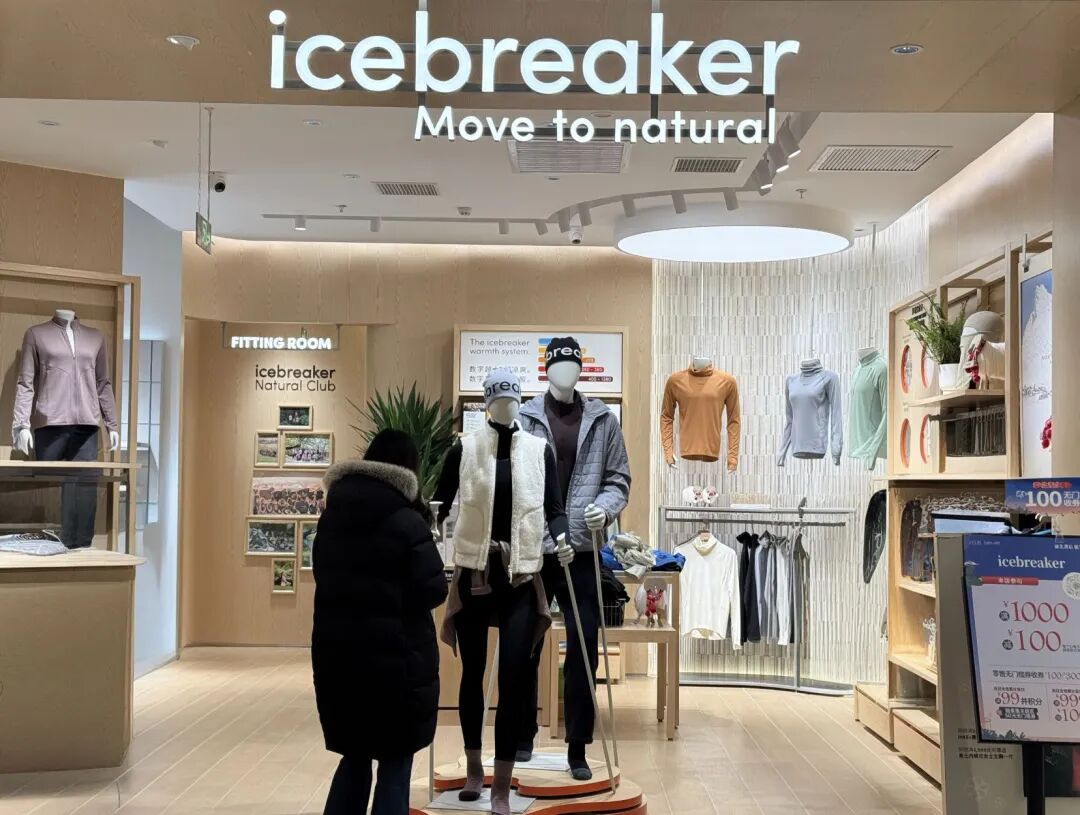
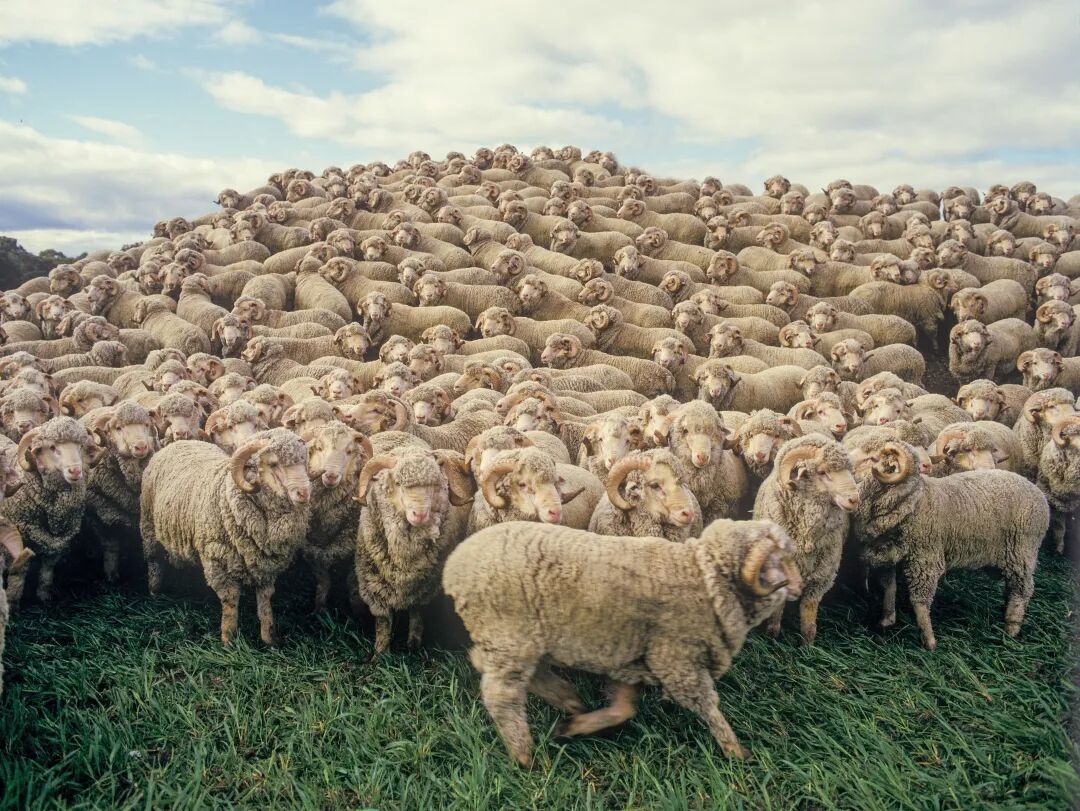
Core Insights - Merino wool is experiencing a resurgence in popularity, being utilized in various clothing items from base layers to outdoor apparel, appealing to middle-class consumers [1][3][6] - The unique properties of Merino wool, such as moisture-wicking, temperature regulation, and odor resistance, contribute to its appeal [1][16][18] Market Trends - According to a report by Tmall and WOOLMARK, Merino wool apparel is projected to achieve an 18% sales growth by July 2025, with a 58% increase in outdoor sportswear GMV, and a remarkable 119% growth in Merino wool products [6][22] - Brands like icebreaker and Smartwool are leveraging Merino wool as a core material, with icebreaker offering products priced between 500 to 2000 yuan, and achieving significant sales volumes [6][8][10] Consumer Preferences - Chinese consumers show a strong preference for finer Merino wool, which is perceived as more comfortable, leading to higher price points for finer fibers [20][22] - The perception of Merino wool as a premium material aligns with the identity of middle-class consumers seeking high-quality, functional apparel [22][24] Product Development and Innovation - Advances in supply chain and technology have enabled brands to produce more durable and versatile Merino wool products, addressing previous concerns about care and maintenance [24][26] - Brands are expanding their product lines, with icebreaker introducing new items like the "毛壳" (wool shell) jacket, priced at 5999 yuan, specifically targeting the Chinese market [37][39] Consumer Feedback and Challenges - Despite the popularity, there are concerns regarding the durability of Merino wool products, with reports of pilling, wear, and tear, leading to mixed consumer experiences [27][31][32] - The high price point of Merino wool products raises consumer expectations for quality, with some expressing dissatisfaction with the performance relative to cost [42][46]
东方盛虹涨2.05%,成交额2.85亿元,主力资金净流入606.53万元
Xin Lang Zheng Quan· 2026-01-21 05:42
Group 1 - The core stock price of Dongfang Shenghong increased by 2.05% on January 21, reaching 11.47 CNY per share, with a total market capitalization of 758.31 billion CNY [1] - The company has seen a year-to-date stock price increase of 5.33%, with a 6.11% rise over the last five trading days, an 11.36% increase over the last 20 days, and a 25.91% rise over the last 60 days [1] - Dongfang Shenghong's main business includes the research, production, and sales of civil polyester filament, with revenue contributions from various segments: 61.04% from other petrochemical and chemical new materials, 18.82% from refined oil products, 17.68% from polyester filament, and 1.71% from others [1] Group 2 - As of September 30, the number of shareholders for Dongfang Shenghong was 73,300, a decrease of 11.60% from the previous period, while the average circulating shares per person increased by 13.12% to 90,104 shares [2] - For the period from January to September 2025, Dongfang Shenghong reported operating revenue of 92.162 billion CNY, a year-on-year decrease of 14.90%, while net profit attributable to shareholders increased by 108.91% to 1.26 billion CNY [2] - The company has distributed a total of 4.429 billion CNY in dividends since its A-share listing, with 1.322 billion CNY distributed over the last three years [3]

美丽诺羊毛占领中产衣柜
3 6 Ke· 2026-01-20 01:36
Core Insights - Merino wool is experiencing a resurgence in popularity, being utilized in various clothing items from base layers to outdoor apparel, appealing to middle-class consumers [1][3][5] - The unique properties of Merino wool, such as moisture-wicking, temperature regulation, and odor resistance, contribute to its growing market presence [3][18][20] Market Trends - Sales of Merino wool apparel are projected to grow by 18% by July 2025, with a 58% increase in outdoor sportswear GMV, and a remarkable 119% growth in Merino wool products [8] - Brands like icebreaker and Smartwool are leveraging Merino wool as a core material, with average product prices ranging from 500 to 2000 yuan [8][10] Consumer Preferences - Chinese consumers show a strong preference for finer Merino wool, which is perceived as more comfortable, leading to higher price points for finer fibers [22][24] - The perception of Merino wool as a premium product aligns with the identity of middle-class consumers seeking quality and exclusivity [24] Product Performance and Challenges - Despite its advantages, there are concerns regarding the durability of Merino wool products, with reports of pilling, wear, and damage after limited use [29][33] - The high expectations for performance and durability may challenge brands as they expand in the Chinese market [37][44] Brand Strategies - Icebreaker is actively expanding its presence in China, with plans to open over 40 stores by the end of 2025 and introducing new product lines, including a Merino wool-based outdoor jacket [39][41] - The brand aims to enhance its market position by addressing consumer concerns and expanding its product offerings beyond base layers [37][39]

冠豪高新涨2.03%,成交额2.99亿元,主力资金净流出6220.20万元
Xin Lang Zheng Quan· 2026-01-19 06:11
Group 1 - The core viewpoint of the news is that Guanhao High-tech's stock has shown a positive trend in recent trading sessions, with a notable increase in price and trading volume [1] - As of January 19, Guanhao High-tech's stock price rose by 2.03% to 3.51 CNY per share, with a total market capitalization of 6.143 billion CNY [1] - The company has experienced a year-to-date stock price increase of 7.01%, with a 12.14% rise over the past 20 trading days [1] Group 2 - Guanhao High-tech, established on July 15, 1993, specializes in the production and sale of various specialty papers, including carbonless copy paper and thermal fax paper [2] - The company's revenue composition includes 50.59% from white cardboard, 25.10% from thermal paper, and 14.13% from self-adhesive materials [2] - As of January 10, the number of shareholders decreased by 1.47% to 43,600, while the average circulating shares per person increased by 1.49% to 40,179 shares [2] Group 3 - Guanhao High-tech has distributed a total of 1.143 billion CNY in dividends since its A-share listing, with 567 million CNY distributed over the past three years [3] - As of September 30, 2025, Hong Kong Central Clearing Limited is the sixth-largest circulating shareholder, holding 11.4765 million shares, a decrease of 927,800 shares from the previous period [3] - Dachen Jingheng Mixed A (090019) is a new shareholder, ranking as the ninth-largest circulating shareholder with 6.582 million shares [3]
