君澜酒店

Search documents
81岁创始人卖掉君亭酒店,湖北国资18亿接盘
3 6 Ke· 2025-12-04 04:17
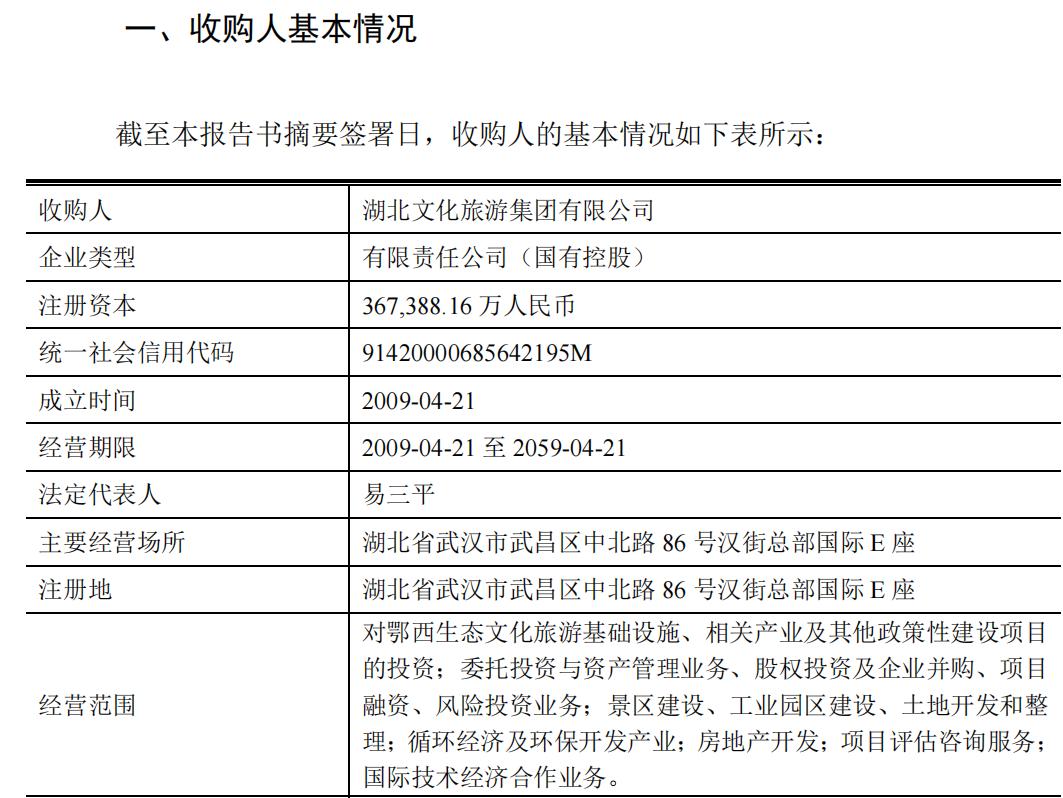
Core Viewpoint - The hotel chain industry is at a crossroads of mergers and acquisitions, with the recent acquisition of Junting Hotel by Hubei Cultural Tourism Group marking a significant shift in ownership and strategy in the sector [1][2]. Group 1: Acquisition Details - Junting Hotel's stock resumed trading on December 3, 2023, closing at 27.45 yuan per share, down 2.31% [1]. - Hubei Cultural Tourism Group will acquire 29.99% of Junting Hotel's shares for approximately 1.5 billion yuan, with an additional offer to purchase 6.01% of shares for about 300 million yuan, totaling 1.8 billion yuan [1]. - Post-transaction, Hubei Cultural Tourism Group will hold 36% of Junting Hotel, while the previous major shareholder will retain 19.51% [1]. Group 2: Background of Hubei Cultural Tourism Group - Hubei Cultural Tourism Group has substantial assets, including 44 scenic spots and 46 hotels, with a total asset scale exceeding 100 billion yuan [2]. - The group aims to become a leading national cultural tourism enterprise and has been planning asset securitization [2]. Group 3: Leadership Changes - The acquisition signifies the retirement of Junting Hotel's founder, Wu Qiyuan, who is 81 years old, with plans for him to step down as chairman in May 2024 [2][3]. - Wu Qiyuan has been a pivotal figure in the hotel industry, founding Junting Hotel and leading its growth since its IPO in 2019 [3]. Group 4: Business Performance and Strategy - Junting Hotel has faced challenges, with a long-standing reliance on a heavy asset model, resulting in fluctuating net profits despite increasing revenues [4]. - As of Q3 2025, Junting Hotel reported revenues of 506 million yuan, a year-on-year increase of 0.58%, but a net profit decline of 45.92% [4]. - The company has recently recognized the limitations of its direct management model and has begun to explore a franchise model to enhance growth [5][6]. Group 5: Industry Trends - The hotel industry is experiencing a wave of mergers and acquisitions, driven by supply-demand imbalances and competitive pressures [7]. - The trend indicates a consolidation phase where smaller groups may either align with larger entities or focus on niche markets to survive [6][7].


杭州人熟悉的君亭酒店大变动,创始人“交棒”、团队套现15亿元
3 6 Ke· 2025-12-03 03:09
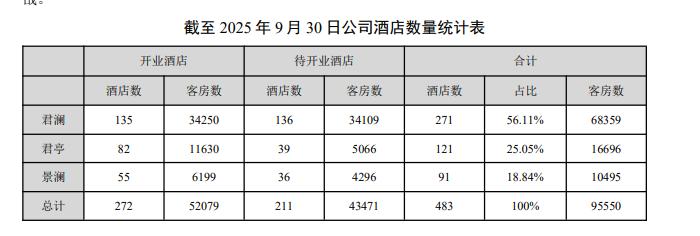
Core Viewpoint - Hubei Cultural Tourism Group is set to become the new controlling shareholder of Junting Hotel, taking over from founder Wu Qiyuan, marking a significant transition for the company [1][3]. Group 1: Share Transfer Details - The share transfer will allow Wu Qiyuan and his core team to cash out 1.499 billion yuan, while they will retain some shares and reduced voting rights [2][8]. - Wu Qiyuan will transfer 14.42% of his shares, while his team members will transfer 13.17% and 2.40% respectively, leaving them with a combined 31.61% stake in Junting Hotel [7][10]. - Hubei Cultural Tourism will acquire 58,315,869 shares at a price of 25.71 yuan per share, representing 29.99% of the total share capital [7][10]. Group 2: Company Background and Performance - Junting Hotel has been a unique entity in the A-share hotel sector, focusing on direct management and mid-to-high-end products, but has faced criticism regarding its profitability [3][19]. - As of the third quarter, Junting Hotel reported revenues of 506 million yuan, a year-on-year increase of 0.58%, but net profit decreased by 45.92% to 9.9033 million yuan [18][19]. - The company operates 272 hotels, with a significant number in the high-end vacation segment, indicating a strong brand presence [16][19]. Group 3: Future Prospects and Strategic Moves - Hubei Cultural Tourism plans to inject quality accommodation assets into Junting Hotel and support new tourism projects, aiming to enhance the brand's market position [15][24]. - The transition in control is expected to lead to a restructuring of the board, with new appointments from Hubei Cultural Tourism, which may bring fresh perspectives to the company's strategy [22][24]. - Junting Hotel is adapting its growth strategy by slowing down the pace of new direct store openings and exploring franchise opportunities to expand its market presence [23][24].