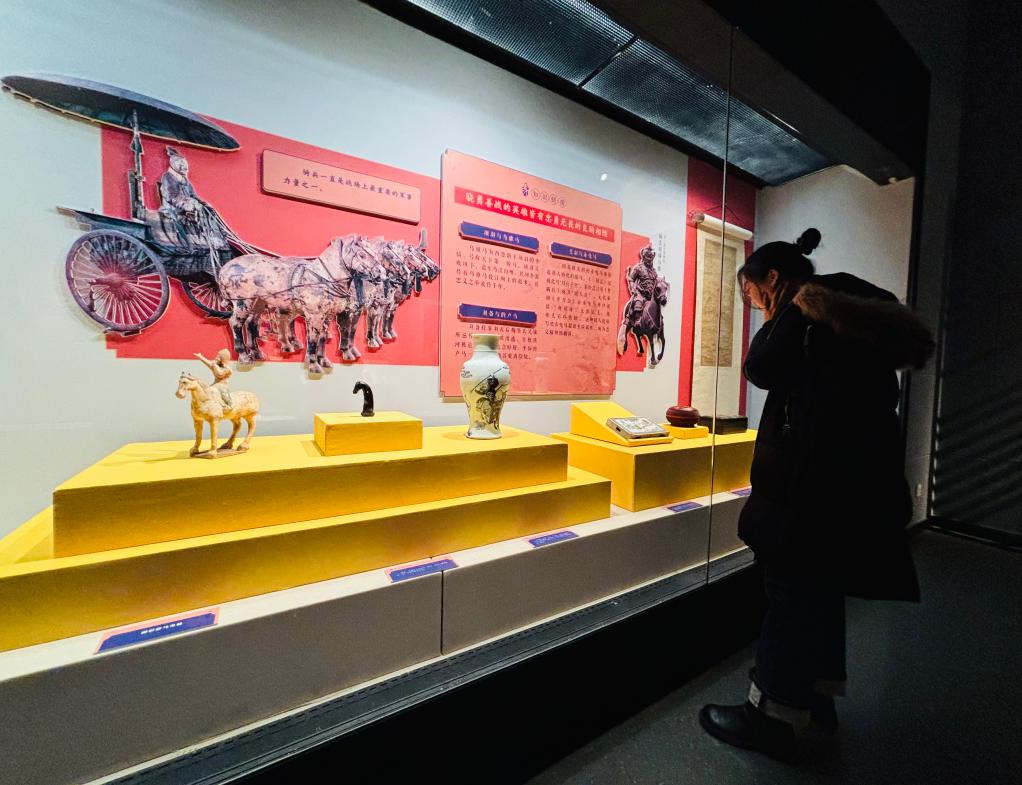
唐三彩马

Search documents
从先秦到唐宋,马不停蹄
Xin Lang Cai Jing· 2026-02-20 04:12
Core Viewpoint - The evolution of horse figurines in Henan from the Pre-Qin to the Tang Dynasty reflects significant changes in artistic style, political, military, and social dynamics throughout Chinese history. Group 1: Historical Evolution of Horse Figurines - The horse figurines from the Pre-Qin to the Qin Dynasty are characterized by a stable and robust design, primarily used for war chariots, with a large head and short neck [1][3]. - During the Qin to Western Han period, the craftsmanship improved significantly, with more proportionate and detailed designs, including painted ceramic horses [3][4]. - The Han Dynasty marked a peak in horse figurine artistry, emphasizing strength and dynamic beauty, as seen in the famous bronze galloping horse [4][5]. Group 2: Artistic Characteristics Across Dynasties - The Eastern Han period saw horse figurines embodying a sense of leaping and agility, influenced by the mythological concept of horses as spiritual beings [5][6]. - The Wei, Jin, and Northern and Southern Dynasties transitioned to rounder and fuller designs, moving away from the exaggerated styles of the Han [6][8]. - The Sui and Tang Dynasties produced horse figurines with elegant forms and vibrant colors, showcasing a balance of beauty and strength [9][10]. Group 3: Cultural Significance of Horses - In the Tang Dynasty, horse figurines became symbols of nobility and were intricately designed, reflecting the cultural and political significance of horses in society [10][11]. - The Tang Dynasty's three-color glazed horses are notable for their craftsmanship and are seen as a representation of the luxurious lifestyle of the aristocracy [11][12]. - The selection criteria for ceremonial horses during the Tang Dynasty included size, color purity, and temperament, indicating their importance in state rituals [16][17]. Group 4: Decline and Transformation of Horse Figurines - After the Song Dynasty, the quantity of horse figurines decreased, and their designs became smaller and more delicate, reflecting a shift in societal values [20][28]. - The significance of horses in burial practices diminished, with fewer horse representations found in tomb artifacts [28][29]. - The cultural perception of horses evolved, with later representations often lacking the grandeur seen in earlier dynasties [29].
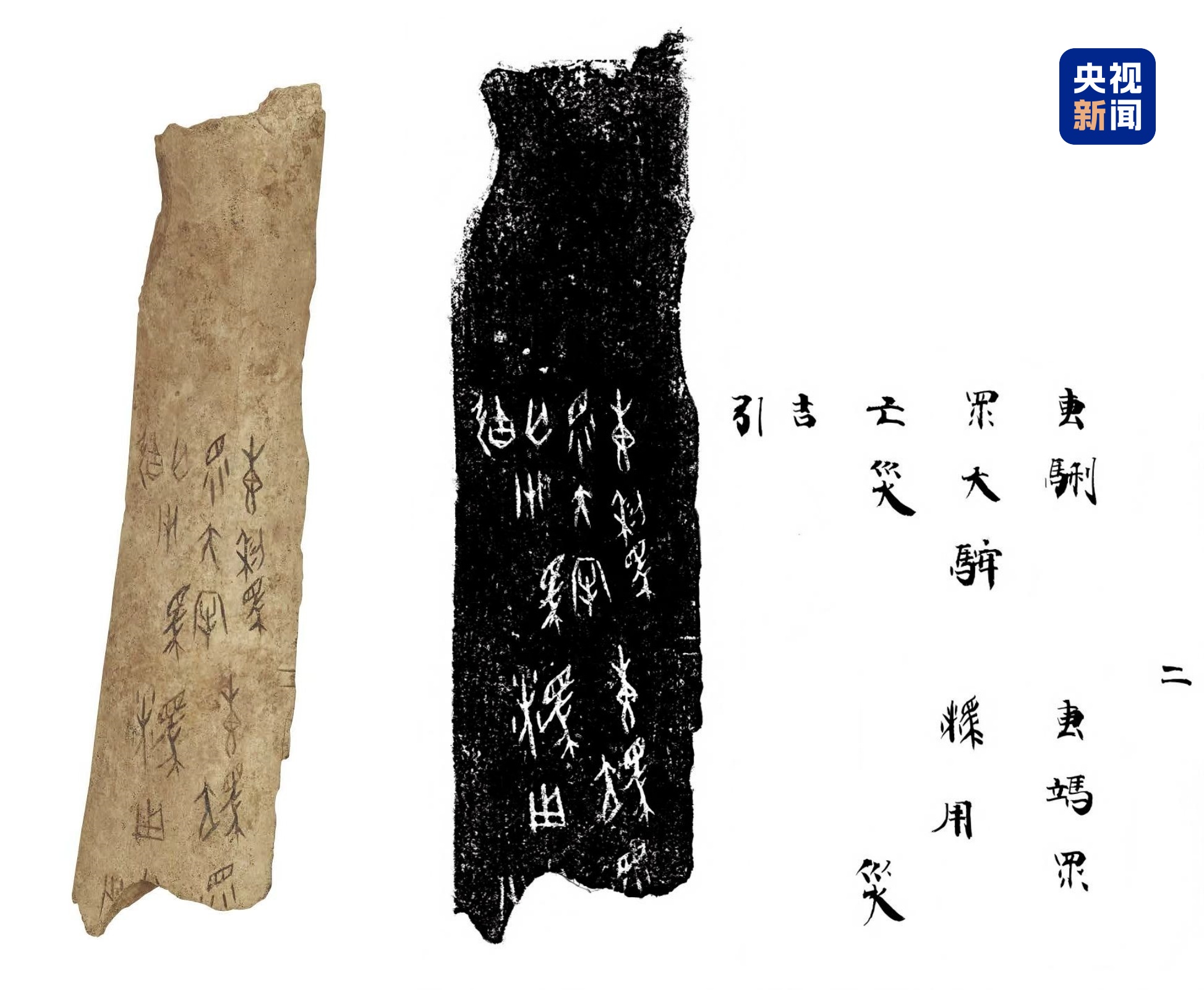
文博日历丨这片商代甲骨,刻有4个以“马”为“偏旁”的字
Xin Lang Cai Jing· 2026-02-17 22:47
Core Insights - The article highlights the significance of horse culture in ancient Chinese civilization, particularly during the Shang Dynasty, where horses played a crucial role in daily life, rituals, and commerce [6][7]. Group 1: Historical Significance - The earliest known character for "horse" can be traced back to oracle bone script from the late Shang Dynasty, depicting a horse's silhouette with distinct features [6]. - The Shang people engaged in divination practices involving horses, indicating their importance in religious and ceremonial contexts [6]. Group 2: Cultural Impact - The influence of horse culture extends to modern language and expressions, with terms related to commerce and transportation still reflecting the historical significance of horses [7]. - Various artifacts, such as Tang Sancai horses and Xu Beihong's "Galloping Horse," illustrate the enduring legacy of horse symbolism in Chinese art and culture [8]. Group 3: Exhibition and Activities - The Tianjin Museum is hosting the "Horse Dance New Spring" exhibition, featuring nearly 200 artifacts that showcase the historical and cultural significance of horses [7][8]. - The article encourages public engagement through interactive activities related to the exhibition, including a social media contest for visitors [8].

天博近130件馆藏珍品邀你来看“马”
Xin Lang Cai Jing· 2026-02-08 02:02
Core Viewpoint - The "Galloping into the New Year - Global Zodiac Culture Exhibition for the Year of the Horse" has opened at the Tianjin Museum, showcasing nearly 130 cultural relics and attracting a large number of visitors from the Beijing-Tianjin-Hebei region [1][3]. Group 1: Exhibition Overview - The exhibition is organized by the China Cultural Relics News Agency in collaboration with over 50 domestic cultural institutions, presenting hundreds of artifacts and artistic images spanning over 4,000 years, from prehistoric rock paintings to modern artworks [3][5]. - The exhibition features four thematic units: "Evolution and Coexistence - Horses and Human Society," "War Horses - Horses in Ancient Politics and Military," "Auspicious Horses - Cultural and Artistic Representations of Horses," and "New Chapters - Contemporary Innovations in Horse Culture," which collectively illustrate the unique value and spiritual connotation of horses in Chinese civilization [5]. Group 2: Featured Artifacts - The Tang Sancai horse has become a highlight of the exhibition, drawing significant attention from visitors who admire its aesthetic representation [7]. - A notable artifact is a piece of Shang Dynasty oracle bone inscribed with four different forms of the character for "horse," showcasing the ancient people's detailed observation and classification of horses, indicating their deep integration into human life [9]. - A Qing Dynasty bamboo carving titled "Horse Sealing the Marquis" reflects the ancient people's affection for horses and their aspirations for a successful career and good fortune [10]. Group 3: Cultural Activities - The Tianjin Museum is also hosting interactive activities such as "Galloping Horses Welcoming the New Year - A Collective Painting of Zodiac Dreams," which includes traditional crafts, intangible cultural heritage skills, and creative workshops, enhancing the cultural experience and attracting enthusiastic participation from young visitors [10].
天博馆藏马文物组团亮相,百余件珍品邀你来看“马”
Xin Hua She· 2026-02-06 23:15
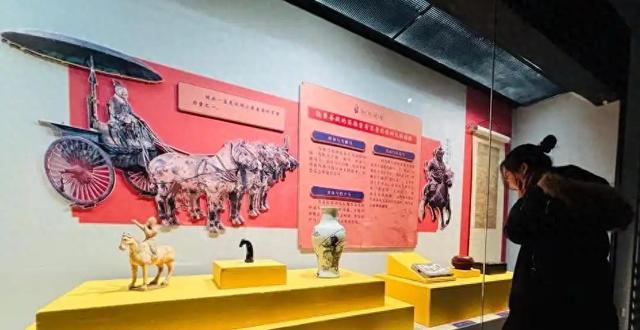
Core Viewpoint - The Tianjin Museum has launched a global exhibition titled "Horse Dance New Spring," showcasing nearly 130 horse-related cultural relics, attracting a large number of visitors [1] Group 1: Exhibition Overview - The exhibition features four thematic units: "Evolution and Coexistence - Horses and Human Society," "War Horses - Horses in Ancient Military and Politics," "Auspicious Horses - Cultural and Artistic Representations of Horses," and "New Chapters of Horse Culture - Contemporary Innovations," which collectively explore the unique value and spiritual connotation of horses in Chinese civilization [2] Group 2: Featured Artifacts - Notable exhibits include the Tang Sancai horse, which represents the pinnacle of Tang Dynasty ceramic art and symbolizes the cultural prosperity of the era [4] - A Shang Dynasty oracle bone featuring four different representations of the character for "horse" demonstrates the ancient understanding and classification of horses, reflecting their deep integration into human life [7] Group 3: Cultural Significance and Activities - The exhibition embodies auspicious meanings associated with the Year of the Horse, such as a Qing Dynasty bamboo carving symbolizing good fortune and success in one's career [8] - To enhance cultural engagement, the exhibition includes interactive activities like "Galloping Horses Welcoming the New Year - A Collective Painting of Zodiac Dreams," which incorporates traditional crafts, intangible cultural heritage skills, and creative workshops [8]