
国谈药

Search documents
部分“国谈药”进医院“最后一公里”仍存堵点 难在哪?
Yang Shi Wang· 2026-02-08 23:02
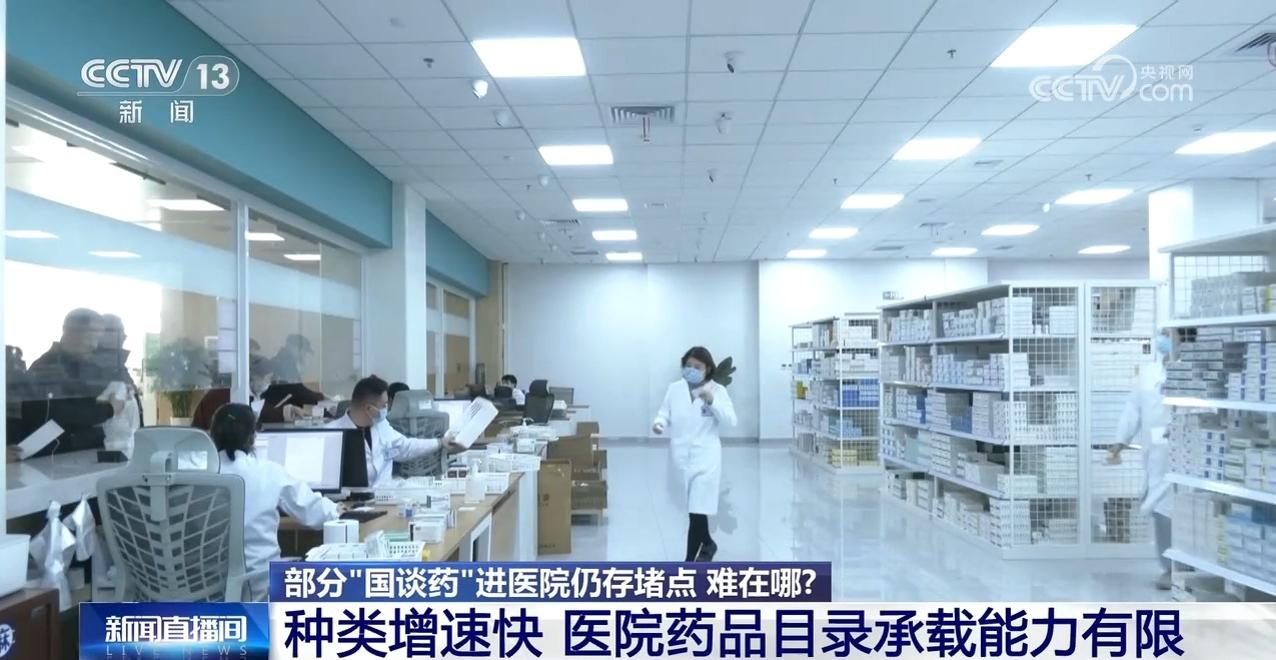
央视网消息:最近,不少网友疑惑,这些经谈判进入医保目录的新药、好药,也就是所谓的"国谈药",怎么在自己身边的医院还不能开到?记者在采访中发 现,虽然各地都在积极推进新版医保药品目录落地,但一些地方"国谈药"进医院的"最后一公里"仍存在堵点。 种类增速快 医院药品目录承载能力有限 一方面"是否引进、替换哪类现有药品"的选择上,医院往往面临两难,另一方面尽管政策明确鼓励医院及时配备 "国谈药",但新药进院需经过科室申请、 药事管理与药物治疗学委员会审议、采购平台挂网等严格的审批流程,周期短则一两个月,长则可达一年。自公立医院取消药品加成后,开药环节不再产生 利润;同时,多数 "国谈药"(如生物制剂、冷链药品)对运输、储存、临床使用有特殊要求,部分还需专人管理,增加了医院的运营成本。 据了解,目前医保部门对医院实行年度医保基金预算总额控制,年终结算时 "结余留用、超支分担"。这意味着,在预算总额固定的情况下,价格较高的创 新药销售越多,医院医保基金结余越少,甚至可能面临超支风险,这使得医院对 "国谈药" 采购使用趋于谨慎。 为此,国家医保局要求各地,确定2026年度基金支出预算时,应充分考虑目录调整因素。督促医疗机 ...

商保创新药目录出台后:“三除外”能否跑通?会否重演国谈药进院难?
Xin Lang Cai Jing· 2025-12-29 03:50
Core Insights - The article discusses the recent implementation of the commercial health insurance innovative drug directory and the challenges it faces in terms of hospital procurement, prescription issuance, and payment processes [1][15] - The "three exclusions" policy is highlighted as a crucial factor for facilitating the entry of innovative drugs into hospitals, which includes exemptions from basic medical insurance self-payment rates, collection of alternative products, and payment by disease category [2][18] Group 1: Implementation of the Commercial Health Insurance Directory - As of December 8, following the national medical insurance negotiations, at least 20 provinces have issued notifications for the online procurement of the commercial health insurance innovative drug directory [2][15] - The directory includes 19 high-value innovative drugs, but the industry is concerned about how these drugs will navigate the challenges of hospital entry, prescription issuance, and payment [2][15] Group 2: The "Three Exclusions" Policy - The "three exclusions" policy is seen as a key to overcoming the barriers to drug entry and prescription issuance, allowing commercial insurance directory drugs to bypass certain cost control measures of basic medical insurance [2][18] - However, there are currently no clear guidelines for the implementation of the "three exclusions" policy, leading to skepticism among hospital pharmacists regarding their interest in procuring these drugs without incentives [2][16] Group 3: Challenges in Hospital Procurement - The DRG (Diagnosis-Related Group) exclusion is identified as the most complex aspect of the "three exclusions" policy, which is essential for allowing hospitals to procure commercial health insurance directory drugs without financial loss [3][19] - Hospitals face significant pressure regarding drug management costs, and without proper incentives, their interest in purchasing these innovative drugs remains limited [2][16] Group 4: Comparison with National Negotiated Drugs - Despite the introduction of favorable policies for national negotiated drugs, they still face slow integration into hospitals, with only a limited number of these drugs being routinely stocked in hospitals [8][22] - The article suggests that the experience of Shanghai's "new and excellent drug and device" list could provide insights for improving the entry of commercial health insurance directory drugs into hospitals [9][23] Group 5: Alternative Distribution Channels - There is a suggestion that pharmacies could serve as an alternative distribution channel for the commercial health insurance directory drugs, similar to previous attempts with national negotiated drugs [12][25] - The success of this approach would depend on balancing patient access to medications with the insurance companies' risk management strategies [12][26] Group 6: Market Growth and Policy Synergy - The growth of the commercial health insurance market is crucial for the successful implementation of the directory, as it requires a sufficient market demand to support hospital procurement and prescription issuance [13][26] - The interaction between the "three exclusions" policy and the commercial health insurance market will be key to fostering a positive cycle that promotes the development of innovative drugs [13][26]