基于触觉反馈的灵巧手抓取算法加专用传感器模组

Search documents
AIoT时代的OPC一人公司:重新定义生存法则
3 6 Ke· 2026-01-27 10:22
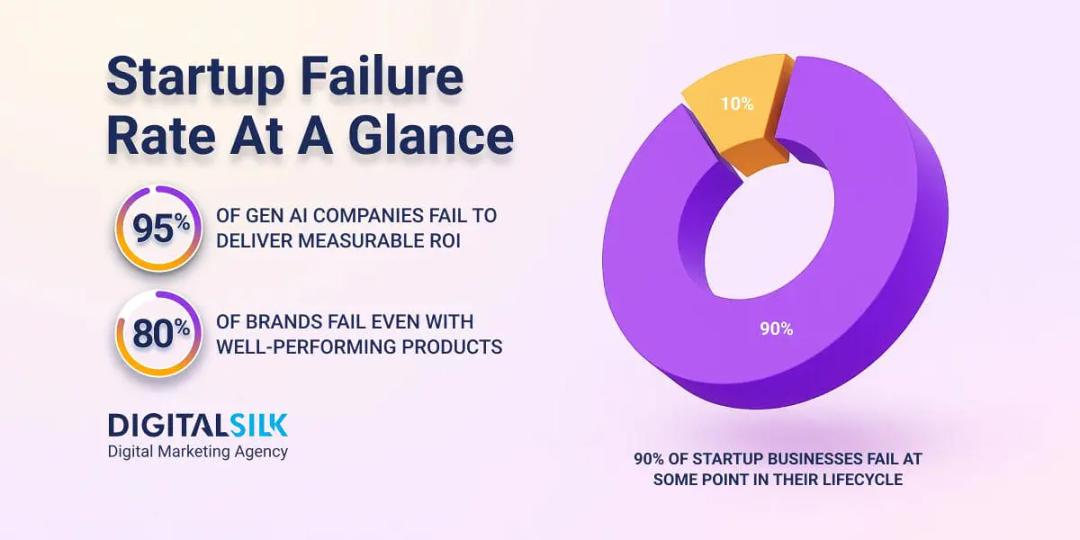
Core Viewpoint - The article discusses the challenges and potential of One Person Companies (OPC) in the AIoT (Artificial Intelligence of Things) sector, emphasizing that traditional OPC models may not succeed due to the complexities and high failure rates in this field [1][20]. Group 1: Current Landscape of OPC - The Shenzhen Action Plan aims to establish over 10 OPC communities by the end of 2027, fostering more than 1,000 high-growth AI startups [1]. - Major cities like Beijing, Shanghai, Hangzhou, and Nanjing are also implementing supportive policies for OPCs [1]. - The failure rate for AI startups is alarmingly high, estimated at 80% to 90%, compared to about 70% for traditional tech companies, with a median survival time of only 18 months for AI startups [1][6]. Group 2: Challenges in AIoT for OPC - The AIoT sector presents unique challenges, including the complexity of hardware and the necessity for long-term reliability, which contrasts sharply with the rapid iteration possible in software [4][6]. - The delivery complexity in AIoT is significant, as hardware must operate reliably for at least three years, and any failure can lead to severe consequences for OPCs [7]. - Cash flow issues are prevalent in hardware startups, with longer payment cycles and high initial costs, which can lead to financial instability [8]. - Trust is a critical factor, as B2B clients are often hesitant to engage with individual entrepreneurs, preferring established companies [9]. Group 3: Redefining OPC for AIoT - Successful AIoT OPCs must act as system architects rather than mere technical laborers, focusing on organizing complex systems rather than executing every task themselves [11]. - OPCs should target niche markets, leveraging AI to reduce the costs of customization and making previously unprofitable projects viable [13][14]. - The role of OPCs should be as network nodes that can collaborate and scale their capabilities, rather than isolated entities [15]. Group 4: Strategic Insights for OPC Success - The true competitive advantage for AIoT OPCs lies in their supply chain capabilities and their ability to integrate into larger ecosystems, rather than solely relying on AI technology [17][20]. - OPCs should focus on embedding themselves within flexible supply chains and forming partnerships with larger enterprises to enhance their market presence [18][19]. - The article concludes that a successful OPC in the AIoT space must find its place within a system, establishing core competencies that can be amplified through collaboration [21].