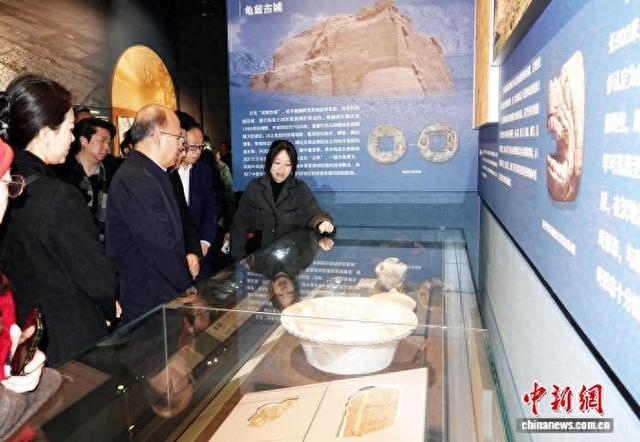
多彩新疆——中华文明的瑰宝专题展

Search documents
呈现新疆地区纳入中央政权治理体系历史
Ren Min Ri Bao· 2026-01-25 21:25
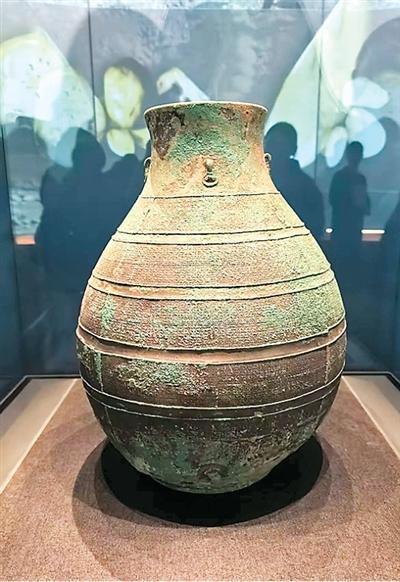
Core Viewpoint - The exhibition "Colorful Xinjiang - Treasures of Chinese Civilization" showcases archaeological artifacts from Xinjiang, many of which are being displayed for the first time, highlighting the region's historical significance and cultural exchanges throughout different dynasties [2][3]. Group 1: Exhibition Overview - The exhibition features 116 pieces of archaeological artifacts from Xinjiang, along with rare manuscripts and two mummies from the Niya and Buzhak sites, utilizing technology to enhance the presentation of history [2]. - The exhibition is part of the "Historical China Casting Civilization" series and is divided into four thematic units: "Connected Roots," "Firm Unity," "Shining North Court," and "Illuminating Yutian," covering the historical trajectory from prehistoric times to the Ming and Qing dynasties [2][3]. Group 2: Cultural Significance - Genetic samples from a 3000-year-old burial site confirm the migration and integration of Eastern and Western populations across the Eurasian continent [3]. - Artifacts such as the grape-patterned gold items from Bogdaqin Ancient City and their similarities to those from the Tang Dynasty highlight the deep cultural exchanges between the Western Regions and Central China [3][4]. - The exhibition aims to illustrate the formation and development of the multi-ethnic unity of the Chinese nation through various artifacts and historical narratives [3]. Group 3: Future Directions - The China Archaeological Museum plans to continue enhancing the exhibition content and presentation methods while deepening research on Xinjiang's history and culture, aiming to produce more impactful academic results [4].

中国考古博物馆推出“多彩新疆——中华文明的瑰宝”专题展
Xin Lang Cai Jing· 2026-01-01 12:36
Core Viewpoint - The exhibition "Colorful Xinjiang - Treasures of Chinese Civilization" opened at the China Archaeological Museum, showcasing over a hundred precious archaeological artifacts that reveal the historical connection between Xinjiang and Chinese civilization [1][3]. Group 1: Exhibition Overview - The exhibition features 116 archaeological artifacts from Xinjiang, 4 rare ancient texts, and 2 mummies borrowed from the Hetian Museum, with most items being publicly displayed for the first time [1][3]. - The exhibition employs technology to enhance the presentation of historical artifacts, making the rich history more engaging for visitors [1]. Group 2: Historical Significance - The exhibition traces the cultural connections from the late Paleolithic era to the governance of Xinjiang during the Han Dynasty and the subsequent periods, illustrating the formation and development of the multi-ethnic unity of the Chinese nation [3][4]. - Key artifacts include a 3,000-year-old gene sample from a burial site, pottery from the Chawuhu culture, and the Kucha five-zhu coins, which serve as direct evidence of the central government's effective governance over the western regions [3][4]. Group 3: Academic and Cultural Impact - The exhibition is part of the basic display "Historical China: Forging Civilization" and aims to systematically present the historical trajectory of Xinjiang's integration into the central governance system and the interactions among various ethnic groups [4][6]. - The event is a collaborative effort across departments and disciplines, highlighting the importance of public cultural services and the ongoing research into Xinjiang's historical and cultural significance [6].