中华民族多元一体格局

Search documents
呈现新疆地区纳入中央政权治理体系历史
Ren Min Ri Bao· 2026-01-25 21:25
Core Viewpoint - The exhibition "Colorful Xinjiang - Treasures of Chinese Civilization" showcases archaeological artifacts from Xinjiang, many of which are being displayed for the first time, highlighting the region's historical significance and cultural exchanges throughout different dynasties [2][3]. Group 1: Exhibition Overview - The exhibition features 116 pieces of archaeological artifacts from Xinjiang, along with rare manuscripts and two mummies from the Niya and Buzhak sites, utilizing technology to enhance the presentation of history [2]. - The exhibition is part of the "Historical China Casting Civilization" series and is divided into four thematic units: "Connected Roots," "Firm Unity," "Shining North Court," and "Illuminating Yutian," covering the historical trajectory from prehistoric times to the Ming and Qing dynasties [2][3]. Group 2: Cultural Significance - Genetic samples from a 3000-year-old burial site confirm the migration and integration of Eastern and Western populations across the Eurasian continent [3]. - Artifacts such as the grape-patterned gold items from Bogdaqin Ancient City and their similarities to those from the Tang Dynasty highlight the deep cultural exchanges between the Western Regions and Central China [3][4]. - The exhibition aims to illustrate the formation and development of the multi-ethnic unity of the Chinese nation through various artifacts and historical narratives [3]. Group 3: Future Directions - The China Archaeological Museum plans to continue enhancing the exhibition content and presentation methods while deepening research on Xinjiang's history and culture, aiming to produce more impactful academic results [4].

穿越时光 走近西夏
Ren Min Ri Bao Hai Wai Ban· 2025-10-12 22:59
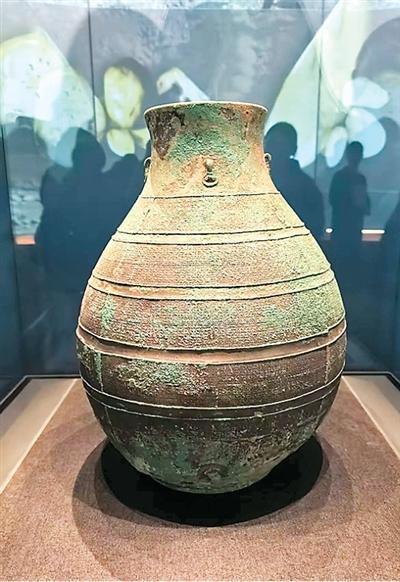
Core Viewpoint - The "Helan Mountain Peach Blossom Stone - Western Xia Cultural Relics Exhibition" showcases 103 pieces of Western Xia artifacts, marking the first specialized exhibition since the successful UNESCO World Heritage listing of the Western Xia Tombs, providing insights into the history and culture of the Western Xia dynasty [8][10]. Summary by Sections Exhibition Overview - The exhibition opened on September 30 at the Beijing Capital Museum, featuring 103 pieces of Western Xia artifacts that allow visitors to explore the history of the Western Xia dynasty, which existed from 1038 to 1227 [8][10]. Historical Context - The Western Xia dynasty was established by the Tangut people in northwest China, coexisting with the Northern Song and Jin dynasties. Its capital was Xijing (modern-day Yinchuan) [9]. UNESCO World Heritage Status - In July, the 47th World Heritage Conference added the Western Xia Tombs to the World Heritage List, increasing China's total to 60 heritage sites and marking the first cultural heritage site in Ningxia [10]. Artifacts and Cultural Significance - The exhibition includes 33 first-class artifacts, such as the black-glazed carved flower flat pot and gold ornaments, showcasing the political, social, and artistic aspects of the Western Xia period [10][11]. - The black-glazed carved flower flat pot, a common and culturally significant item, reflects the lifestyle of the Tangut people, who were nomadic and required portable vessels [10][11]. Cultural Exchange - The exhibition highlights the cultural exchanges between the Tangut and other ethnic groups, showcasing artifacts like coins and ceramics that illustrate the economic and cultural interactions during the Western Xia period [12][13]. - The Western Xia dynasty adopted and adapted techniques from the Central Plains, particularly in ceramics, leading to a unique ceramic style that reflects cultural integration [13][14]. Architectural Heritage - The Western Xia Tombs consist of nine imperial tombs and numerous accompanying graves, with significant archaeological findings that provide evidence of the dynasty's political, cultural, and technological achievements [16][18]. - Artifacts such as the green glazed tiles and the Kalinga bird motif demonstrate the architectural and artistic influences from the Tang dynasty [18]. Educational Aspects - The exhibition includes interactive displays that allow visitors to learn about the Western Xia script, which was created to facilitate communication between the Tangut and Han Chinese [17]. - The exhibition aims to enhance understanding of the multi-ethnic integration and cultural exchanges that characterized the Western Xia dynasty, contributing to the broader narrative of Chinese civilization [18].