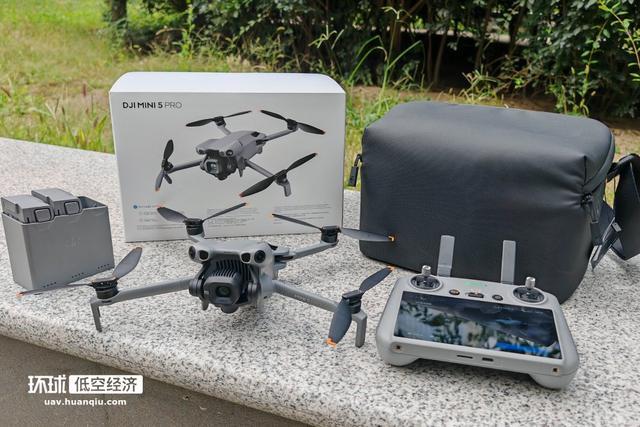
大疆Mini 5 Pro

Search documents
实探影石无人机销量之谜:三大电商平台共售千余台,创始人称48小时卖了3000多万元
3 6 Ke· 2025-12-11 04:28
Core Viewpoint - The company, YingShi, faces controversy regarding the sales performance of its new product, the YingLing A1 drone, which has been claimed to be underperforming despite internal assertions of strong sales figures [1][3]. Sales Performance - YingShi's founder, Liu Jingkang, refuted claims of poor sales, stating that over 30 million yuan (approximately 4.5 million USD) worth of drones were sold in just 48 hours in China [1]. - Initial sales data from major e-commerce platforms indicated only about 1,500 units sold, generating around 10 million yuan (approximately 1.5 million USD) in revenue [3]. - As of December 10, the company had 458 physical stores across China, which are expected to be significant sales channels for the YingLing A1 [6]. Product Features - The YingLing A1 drone features a dual fisheye lens and AI stitching technology, allowing for 8K panoramic video capture, and is priced starting at 6,799 yuan (approximately 1,000 USD) [2]. - The drone's lightweight design (249 grams) is marketed as advantageous for international travel, avoiding strict regulations for heavier drones [7]. Market Competition - The company is in direct competition with DJI, which has also launched a panoramic drone, leading to a price war and heightened market tensions [10][11]. - Liu Jingkang highlighted external pressures from suppliers, suggesting that the company is facing unfair competitive practices, likely from DJI [10]. Consumer Reception - Despite some positive sales in physical stores, there are concerns regarding the drone's image quality, which has not met consumer expectations [9]. - Users have reported discomfort with the VR flight glasses and the overall usability of the product, leading to some units being resold at discounted prices [9]. Industry Dynamics - The competition between YingShi and DJI is reshaping the market, pushing both companies to innovate and potentially benefiting consumers through enhanced product offerings [12][13].

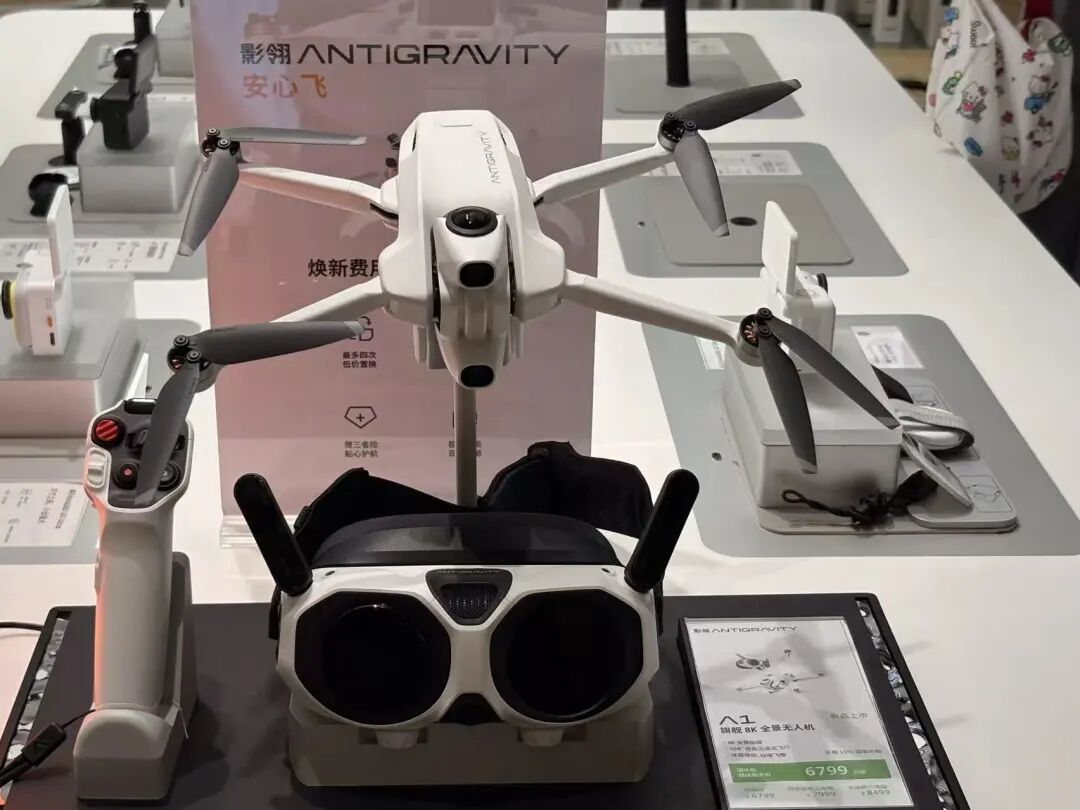
从“智能拍摄搭子”到“共享摄像师”,消费级无人机重构旅拍新生态
Jing Ji Guan Cha Wang· 2025-10-07 03:47
Core Insights - The consumer drone market is evolving with new entrants enhancing user experience and product offerings, particularly during the holiday season [2][3] - The shift in consumer preferences from performance-focused tech enthusiasts to ordinary users seeking ease of use and emotional value is reshaping the market [3][5] - The rise of shared drone rental services is addressing common pain points in travel photography, making it more accessible and convenient for tourists [5][6] Group 1: Market Dynamics - Established companies like DJI are optimizing user experience while new players like YingShi Innovation are entering the market with innovative products [2][3] - The introduction of features such as intelligent tracking and lightweight designs are becoming standard expectations among consumers [2][3] - The demand for user-friendly drones that provide immersive experiences is increasing, with consumers prioritizing ease of operation [3][5] Group 2: Business Model Innovations - The trend of renting drones at tourist sites is gaining traction, allowing visitors to capture their experiences without the burden of carrying equipment [5][6] - Shared drone cabinets in scenic areas enable tourists to rent drones easily, addressing the issue of lack of equipment and simplifying the filming process [5][6] - AI technology is streamlining the creative process for drone photography, allowing users to generate localized videos quickly and share them on social media [5][6] Group 3: Regulatory and Safety Aspects - The implementation of shared drone services is helping to regulate drone usage in tourist areas, mitigating issues related to unauthorized drone flights [6] - Collaboration between scenic areas and drone operators is enhancing safety and managing drone activities effectively [6] - The integration of technology and policy is fostering a safer and more organized environment for drone usage in tourism [6] Group 4: Future Outlook - China is recognized as a leading market for civil drone applications, with high market activity and growth potential [6] - Future competition in the drone market will increasingly focus on user needs and market perceptions, driving advancements in technology and service models [6]
黄金周看点 | 从“智能拍摄搭子”到“共享摄像师”,消费级无人机重构旅拍新生态
Xin Hua Cai Jing· 2025-10-03 07:00
Core Insights - The consumer drone market is evolving with new entrants and technological advancements, enhancing user experience and creating a new travel photography ecosystem [1][2][6] Group 1: Market Dynamics - Established companies like DJI are optimizing user experience in response to competition from new players like YingShi Innovation and Chasing Technology, which have recently entered the consumer drone market [2][3] - The introduction of new models, such as DJI's Mini 5 Pro and YingShi's Antigravity A1, emphasizes lightweight design and intelligent shooting capabilities, catering to changing consumer preferences [2][3][6] Group 2: Consumer Preferences - Consumers are increasingly prioritizing user experience over technical specifications, seeking drones that are easy to operate and capable of smart tracking [6][7] - The shift in the primary customer base from tech enthusiasts to everyday users highlights the demand for drones that serve as convenient "smart shooting partners" [6][7] Group 3: Rental and Sharing Models - The trend of renting drones at tourist attractions has emerged, addressing issues like high costs of professional aerial photography and the burden of carrying equipment [7][8] - Shared drone services, which allow tourists to rent drones via automated kiosks, are gaining acceptance, with rental fees ranging from 20 to 50 yuan per use [7][8] Group 4: Technological Integration - AI technology is streamlining the aerial photography process, enabling users to create localized videos quickly and share them on social media [7][8] - The integration of shared drones into tourist sites not only enhances visitor experience but also helps manage drone operations, reducing unauthorized flights [8] Group 5: Future Outlook - The Chinese consumer drone market is recognized as one of the most active globally, with a promising future driven by user-centric innovations and diverse applications in the low-altitude economy [8]

迷你航拍机发展里程碑:大疆Mini 5 Pro配备1英寸大底,夜景给力
Huan Qiu Wang Zi Xun· 2025-09-24 07:45
Core Insights - The DJI Mini 5 Pro represents a significant advancement in the mini drone market by integrating a 1-inch 50-megapixel CMOS sensor, enhancing both portability and image quality [3][9] - The drone's capabilities include advanced features such as night scene photography, omnidirectional obstacle avoidance, and a maximum transmission distance of 20 kilometers, making it suitable for both amateur and professional users [11][15] Group 1: Camera and Image Quality - The Mini 5 Pro's 1-inch sensor allows for high-quality footage that can seamlessly integrate with images from mirrorless cameras [3][5] - It supports H.265 encoding for 10-bit video recording, providing detailed color representation even in challenging lighting conditions [5][9] - The drone excels in low-light scenarios, with an ISO limit of 12800 in normal mode and 3200 in D-Log M and HLG color modes, enabling impressive night photography [9][10] Group 2: Flight Performance and Features - The Mini 5 Pro boasts a flight time of up to 36 minutes with a standard battery and 52 minutes with an extended battery, allowing for more flexibility in capturing footage [13] - It features the O4+ transmission system, which enhances signal strength and reduces latency, crucial for flying in complex environments [15] - The drone is equipped with advanced obstacle avoidance technology, including laser radar and multiple cameras, ensuring safe navigation even in low-light conditions [17] Group 3: Usability and Accessibility - The Mini 5 Pro includes user-friendly features such as one-click video modes and time-lapse photography, making high-quality shooting accessible to beginners [19] - The upgraded mobile transfer function allows for quick downloading of footage via WiFi-6, achieving speeds up to 100MB/s [19] - This technological leap lowers the barrier for high-quality aerial photography, potentially attracting more novice users and expanding the market for mini drones [19]