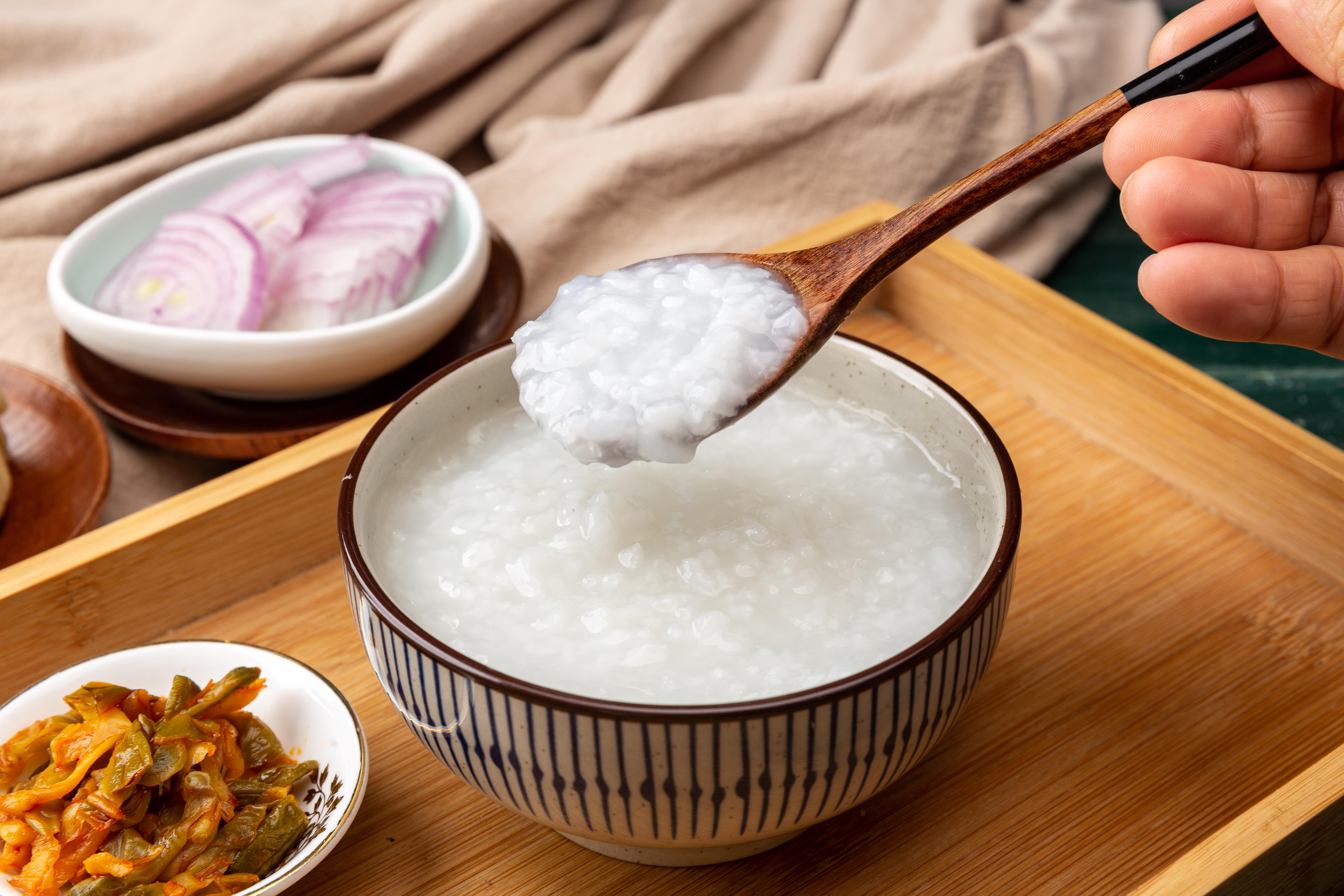
大米粥

Search documents
割稻初体验
Xin Lang Cai Jing· 2025-12-27 00:11
Core Viewpoint - The experience of harvesting rice in a small field provides a deep appreciation for the labor involved and the joy of reaping rewards from hard work [1][2]. Group 1: Experience of Harvesting - The event took place in a rice field in Haidian, where participants engaged in cutting rice, experiencing the beauty of the golden rice and the surrounding nature [1]. - An elderly instructor demonstrated the proper technique for cutting rice, emphasizing the importance of grip and angle, which helped participants improve their skills [1]. - The atmosphere was filled with laughter and teamwork as participants worked together to harvest the rice, showcasing a sense of community and shared effort [1]. Group 2: Reflection on Labor - After completing the harvest, participants felt a sense of pride in their work, reflecting on the saying "every grain of rice is hard-earned," which highlights the value of labor [2]. - The experience culminated in enjoying a bowl of freshly made rice porridge, symbolizing the connection between hard work and the rewards it brings [2]. - The event left a lasting impression, likened to a precious seed that will grow and accompany participants as they move forward in life [2].


大米粥是“升糖高手”不能喝?注意这5点 一起科学健康喝粥
Yang Shi Xin Wen· 2025-10-21 03:54
Core Viewpoint - The article discusses the health implications of rice porridge, particularly its high glycemic index (GI), which raises concerns about its impact on blood sugar levels. It contrasts traditional rice porridge with modern versions made from refined white rice, highlighting the nutritional differences and the effects on health. Glycemic Index (GI) Understanding - Glycemic Index (GI) is a key indicator in modern nutrition that measures how quickly carbohydrate-containing foods affect blood sugar levels. Foods with a high GI are digested and absorbed rapidly, leading to a quick rise in blood sugar [5][8]. - High GI foods are defined as those with a GI greater than 70, while medium GI foods range from 55 to 70, and low GI foods are 55 or lower [7]. High GI of Rice Porridge - White rice has a GI of approximately 73, categorizing it as a high GI food. Rice porridge has an even higher GI, reaching up to 78, and in some cases, it can be as high as 87 due to the cooking process that gelatinizes starch [8][10]. - The cooking process of rice with water leads to starch gelatinization, which increases the porridge's ability to raise blood sugar levels quickly [10]. Differences Between Traditional and Modern Porridge - Traditional porridge was made from whole grains or brown rice, which retained dietary fiber and essential nutrients, unlike modern refined white rice that lacks these components [11][13]. - The fiber content in whole grains helps slow down digestion and absorption, reducing the post-meal blood sugar spike [15][17]. Historical Context of Rice Porridge - Historically, rice porridge was consumed in a context of food scarcity, leading to thinner, less concentrated porridge. In contrast, modern diets often lead to excessive caloric intake, making the rapid blood sugar increase from refined carbohydrates a health concern [18]. Recommendations for Healthier Porridge Consumption - To mitigate the high GI of rice porridge, it is recommended to replace part of the white rice with whole grains and legumes, which can lower the overall GI of the meal [24]. - Cooking time should be minimized to prevent excessive gelatinization, and adding vegetables or protein can help balance the meal and slow down sugar absorption [25][26][28]. - Using cooled, previously cooked rice can also lower the glycemic response when making porridge, as it forms resistant starch [29].