血糖生成指数

Search documents
粗粮糊糊、饼干吃了反而血糖飙升 把握三个原则才健康
Xin Lang Cai Jing· 2026-01-25 11:03
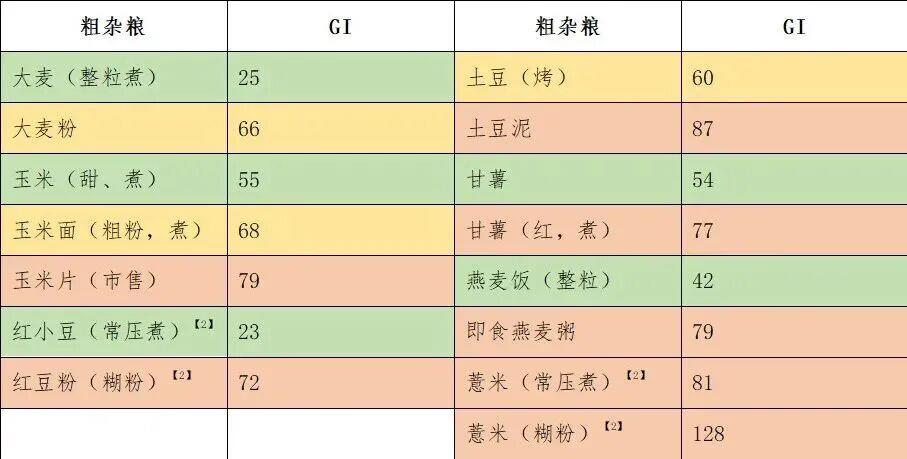
Core Viewpoint - The article emphasizes that while whole grains are beneficial for health, improper preparation methods, such as grinding them into a paste, can lead to a rapid increase in blood sugar levels [1][2]. Group 1: Impact of Processing on Blood Sugar - Many people prefer to consume whole grains in a processed form, believing it improves taste while retaining nutritional value, but this can actually increase blood sugar levels [2][5]. - The glycemic index (GI) of whole grains varies significantly based on their processing; for example, barley in whole form has a GI of 25, while barley flour has a GI of 66 [3][4]. - Processing whole grains into powders or pastes destroys their nutritional advantages, leading to higher GI values and less effective blood sugar control [4][6]. Group 2: Recommendations for Consuming Whole Grains - To maximize the benefits of whole grains, it is recommended to consume them in their most intact form, such as whole grain rice instead of porridge [9]. - Choosing natural flavors and avoiding added sugars, salts, and fats in processed whole grain products is crucial for maintaining lower blood sugar levels [10][11]. - A diverse combination of different whole grains can help balance their GI values and provide a richer nutritional profile [12].

热搜第一!车厘子含褪黑素能助眠?医生提醒丨健康科代表
Xin Lang Cai Jing· 2026-01-04 11:44
Group 1 - The discussion around cherries containing melatonin and its potential to aid sleep has gained significant attention [1] - Melatonin is a hormone that regulates the sleep-wake cycle, primarily secreted by the pineal gland, and is referred to as the "night hormone" [1] - Cherries do contain natural melatonin, but in very low amounts, serving only as a mild aid for sleep rather than a treatment for insomnia [5] Group 2 - The response to melatonin varies among individuals, making it difficult to determine the exact amount of cherries needed to aid sleep [5] - The glycemic index of cherries ranges from 22 to 29, indicating they are blood sugar friendly, although darker cherries may have a higher glycemic index [5] - The recommended daily intake of cherries for an average person is between 100 to 150 grams, or about 10 to 15 cherries, according to the 2022 Dietary Guidelines for Chinese Residents [5]
这种饮食真能控糖减肥?记者调查:“低GI”成食品热门标签
Yang Guang Wang· 2025-11-09 06:05
Core Viewpoint - The popularity of "low GI" (glycemic index) foods is rising in the market, but many products labeled as such lack authoritative verification and may not deliver the expected health benefits [1][3]. Group 1: Market Trends - "Low GI" foods are increasingly marketed with health-related labels such as sugar-free, zero-calorie, and low-fat, but the lack of mandatory national standards raises concerns about their authenticity [1][3]. - Consumers are often misled by the marketing of "low GI" products, with many unable to verify the claims made by sellers [2][3]. Group 2: Consumer Experiences - A consumer reported receiving moldy "low GI" bread, highlighting the difficulty in determining the authenticity of such products purchased online [2]. - Many products on e-commerce platforms display "low GI" labels, but the methods of proving this claim vary significantly, leading to confusion among consumers [2][3]. Group 3: Certification and Standards - Current "low GI" food certifications in China are voluntary, with no unified national standards for labeling, allowing various institutions to create their own certification logos [3][4]. - The cost of obtaining a "low GI" certification can range from tens of thousands to over a hundred thousand yuan, indicating a commercial nature of these certifications [3][4]. Group 4: Scientific Validity - True "low GI" certification requires rigorous testing by qualified laboratories, following international standards, which many products do not meet [3][5]. - The GI value of foods can be influenced by multiple factors, and without proper certification, the claims of "low GI" may not be reliable [5][6]. Group 5: Nutritional Guidance - "Low GI" foods should not be equated with overall healthiness; a comprehensive approach to nutrition is necessary, considering factors like low salt, low sugar, and high dietary fiber [5][6]. - Recommendations for consumers include choosing whole grains, controlling total caloric intake, and maintaining a balanced diet to effectively manage blood sugar levels [6].
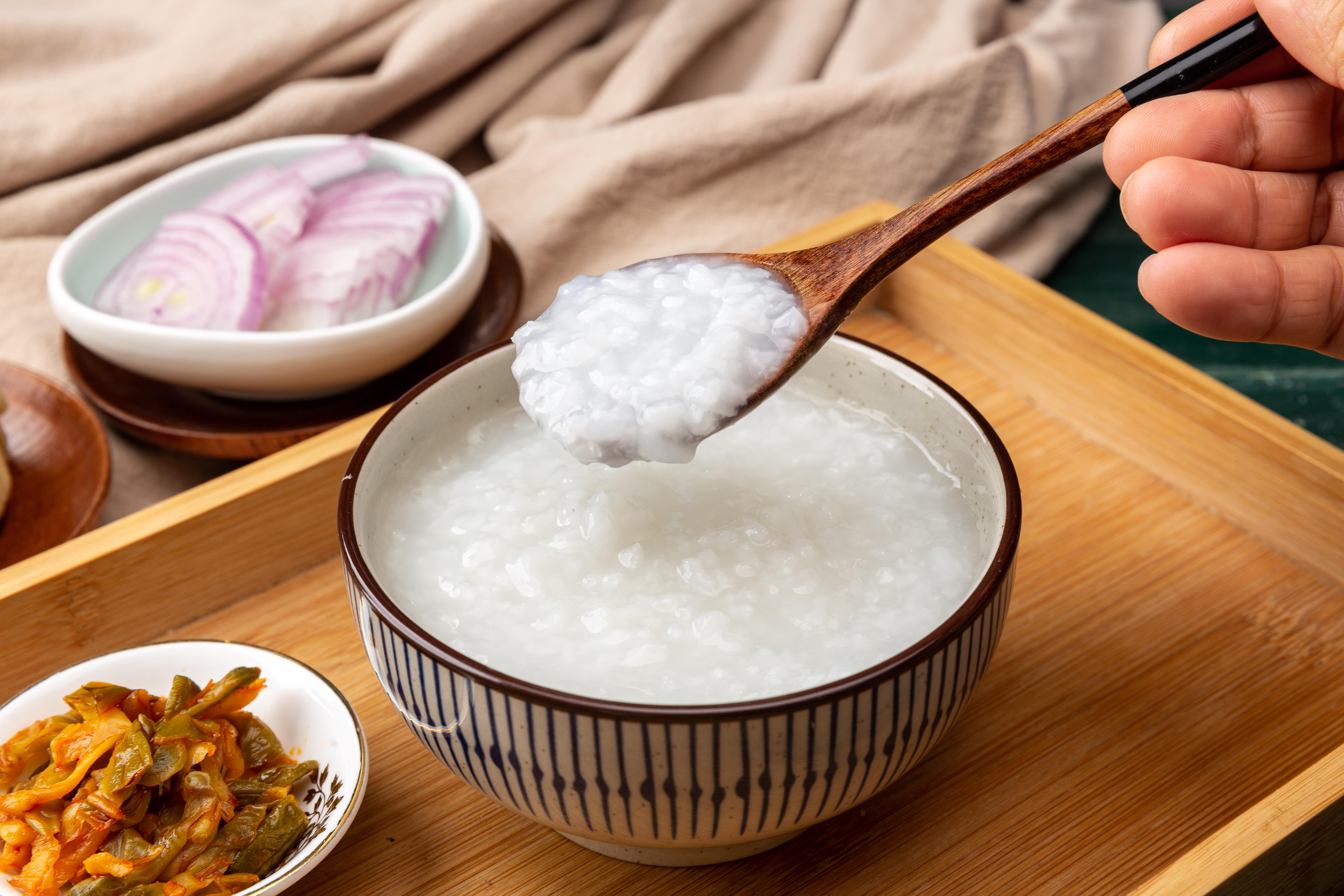
大米粥是“升糖高手”不能喝?注意这5点 一起科学健康喝粥
Yang Shi Xin Wen· 2025-10-21 03:54
Core Viewpoint - The article discusses the health implications of rice porridge, particularly its high glycemic index (GI), which raises concerns about its impact on blood sugar levels. It contrasts traditional rice porridge with modern versions made from refined white rice, highlighting the nutritional differences and the effects on health. Glycemic Index (GI) Understanding - Glycemic Index (GI) is a key indicator in modern nutrition that measures how quickly carbohydrate-containing foods affect blood sugar levels. Foods with a high GI are digested and absorbed rapidly, leading to a quick rise in blood sugar [5][8]. - High GI foods are defined as those with a GI greater than 70, while medium GI foods range from 55 to 70, and low GI foods are 55 or lower [7]. High GI of Rice Porridge - White rice has a GI of approximately 73, categorizing it as a high GI food. Rice porridge has an even higher GI, reaching up to 78, and in some cases, it can be as high as 87 due to the cooking process that gelatinizes starch [8][10]. - The cooking process of rice with water leads to starch gelatinization, which increases the porridge's ability to raise blood sugar levels quickly [10]. Differences Between Traditional and Modern Porridge - Traditional porridge was made from whole grains or brown rice, which retained dietary fiber and essential nutrients, unlike modern refined white rice that lacks these components [11][13]. - The fiber content in whole grains helps slow down digestion and absorption, reducing the post-meal blood sugar spike [15][17]. Historical Context of Rice Porridge - Historically, rice porridge was consumed in a context of food scarcity, leading to thinner, less concentrated porridge. In contrast, modern diets often lead to excessive caloric intake, making the rapid blood sugar increase from refined carbohydrates a health concern [18]. Recommendations for Healthier Porridge Consumption - To mitigate the high GI of rice porridge, it is recommended to replace part of the white rice with whole grains and legumes, which can lower the overall GI of the meal [24]. - Cooking time should be minimized to prevent excessive gelatinization, and adding vegetables or protein can help balance the meal and slow down sugar absorption [25][26][28]. - Using cooled, previously cooked rice can also lower the glycemic response when making porridge, as it forms resistant starch [29].