
大花海棠

Search documents
城市的浪漫藏不住了!这个夏天祝你一路生花
Yang Shi Xin Wen· 2025-05-30 22:55
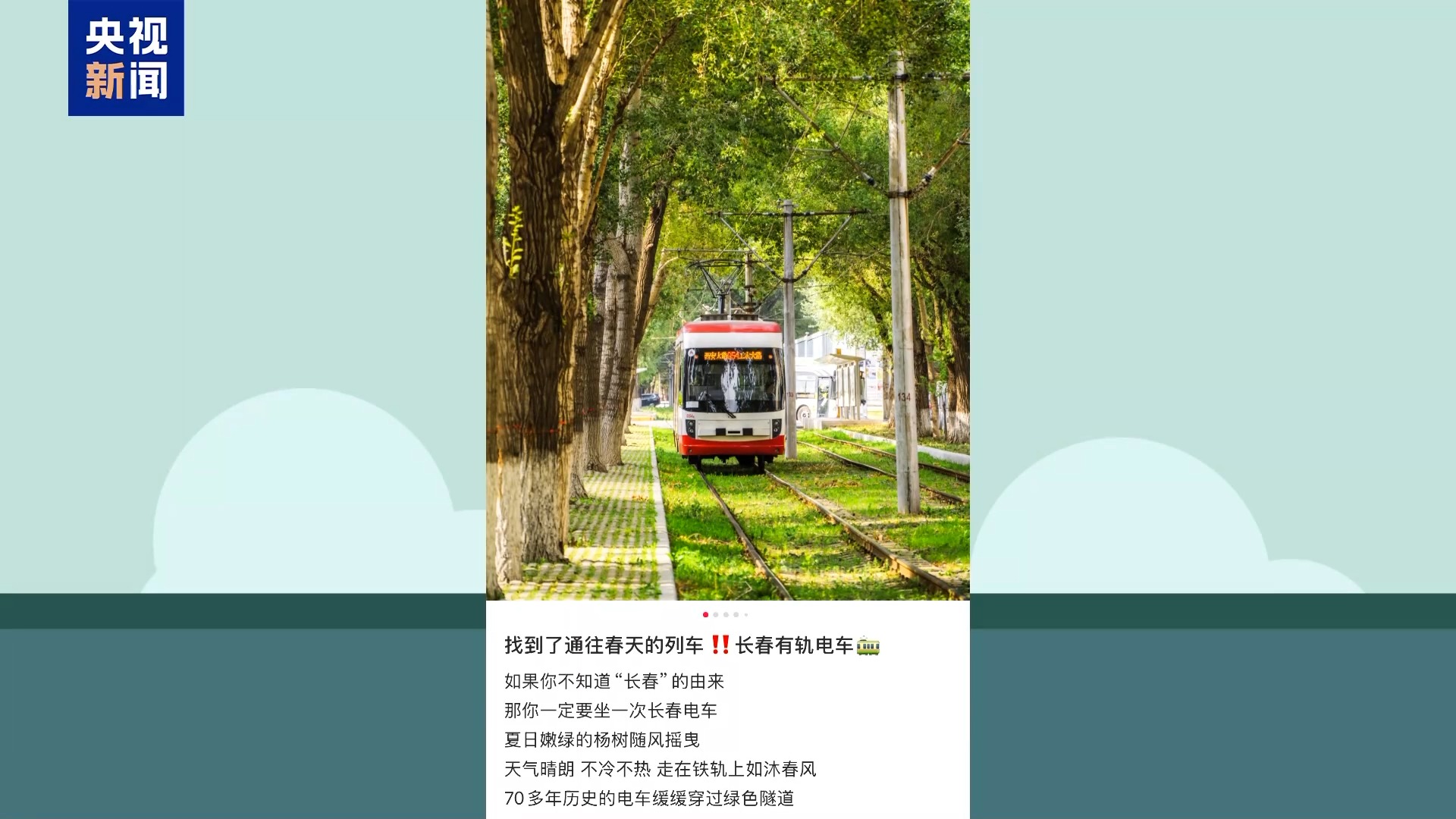
Group 1 - The article highlights the transformation of urban green spaces into beautiful gardens, enhancing the aesthetic appeal of cities as they bloom in May [1] - Changchun, one of China's four garden cities, has a green coverage rate of approximately 45%, achieving the goal of "300 meters to see green, 500 meters to see a park" [4][6] - The city has planted 26,800 trees and cultivated 57,200 square meters of flower beds this year, creating 36 three-dimensional floral displays [8] Group 2 - In Ningxia Yinchuan, the city is experiencing a vibrant floral season, with streets resembling flower corridors, attracting social media attention [14][15] - Yinchuan's green maintenance center has created 19 floral landscape areas using long-blooming and colorful flower varieties [20] - In Shandong Jinan, the flower beds along major roads, particularly near scenic spots, have been designed to create a flowing floral landscape [22][24] Group 3 - The integration of flowers into urban spaces not only enhances visual appeal but also contributes to ecological benefits, such as increasing biodiversity and improving urban microclimates [29][31] - The planting of nectar-rich plants supports pollinators, which in turn attracts birds, while green belts help mitigate urban heat island effects and reduce noise pollution [31]

北京今年将建成100个社区微花园,“药食同源”微花园亮相海淀
Xin Jing Bao· 2025-04-25 05:52
Core Points - The initiative to build 100 community micro-gardens in Beijing aims to enhance urban greening and community engagement [1][2] - The project involves collaboration with local universities and community participation in the design and maintenance of the gardens [2] Group 1: Project Overview - The 2025 community micro-garden initiative was launched on April 25, with the first event held in the Shiyu Garden community of Haidian District [1] - The project will benefit all 16 districts and the Economic Development Zone in Beijing [1] - A total of 100 micro-gardens will be constructed this year, with each central urban area expected to have around 10 gardens and suburban areas 2-3 gardens [2] Group 2: Community Involvement - The initiative employs a "1+7" collaborative model, involving seven other communities in simultaneous micro-garden construction [1] - Over 100 residents and volunteers participated in planting more than 2,000 plants of 15 different species, including medicinal and culinary plants [1] - Community members are engaged in every step of the process, from design to maintenance, promoting a shared responsibility model [2] Group 3: Plant Selection and Maintenance - The project aims to educate residents about the plants, including their uses and care, ensuring sustainability [1] - Last year, 30 micro-gardens were established, achieving a plant survival rate of 70%, indicating successful implementation [2] - The initiative will promote visually appealing plants, such as Dianthus, known for its long flowering period, to enhance the aesthetic value of the gardens [2]