奇幻人文艺术图鉴绘本

Search documents
AI生成图片竟成人像摄影指南,出版物的AI标识该如何规范
Xin Lang Cai Jing· 2026-01-17 22:51
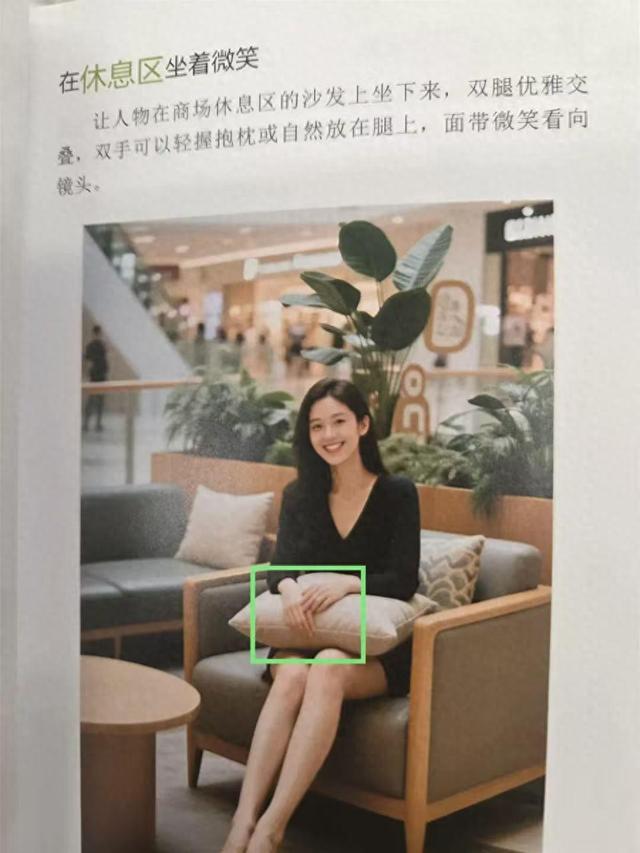
Core Viewpoint - The emergence of AI-generated content in published books, particularly in photography and art, raises concerns about authenticity and consumer rights, leading to potential legal implications for publishers and authors [3][6][9]. Group 1: AI Content in Publications - A reader discovered that a photography book contained AI-generated images with notable flaws, such as models with six fingers and distorted lighting, prompting a response from the publisher offering refunds [3][6]. - Another book, described as a "fantasy humanistic art atlas," was criticized for lacking logical human creativity, featuring over 240 non-existent "fantasy species" without proper disclosure of AI usage [6][9]. - The "Regulations on the Identification of AI-Generated Synthetic Content" implemented in September 2022 mandates that AI-generated content must be clearly marked, yet many publications fail to comply [6][8]. Group 2: Legal and Ethical Implications - Legal experts emphasize that knowledge-based publications, which require accuracy, should be more cautious in using AI content, as it misleads consumers regarding the authenticity of the material [7][8]. - Publishers are seen as the primary responsible parties for ensuring quality and transparency in their publications, and consumers have the right to seek compensation if they are misled by undisclosed AI content [7][8]. - The potential for fraud is highlighted when a significant amount of AI-generated content is present without disclosure, allowing consumers to demand refunds or legal action [8][9].