《人像摄影口袋书》

Search documents
面对AI,请守住创作初心
Xin Lang Cai Jing· 2026-01-30 18:44
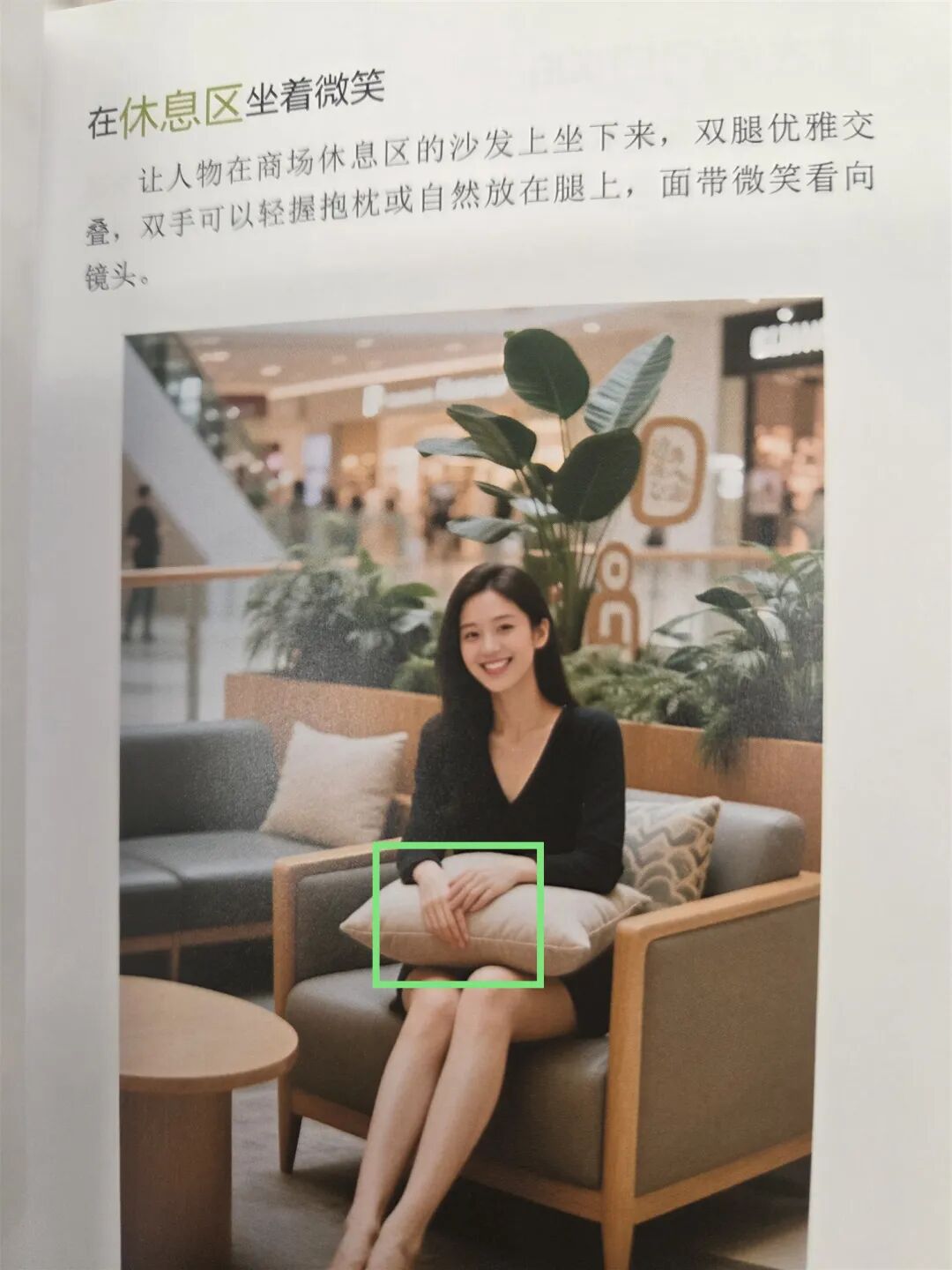
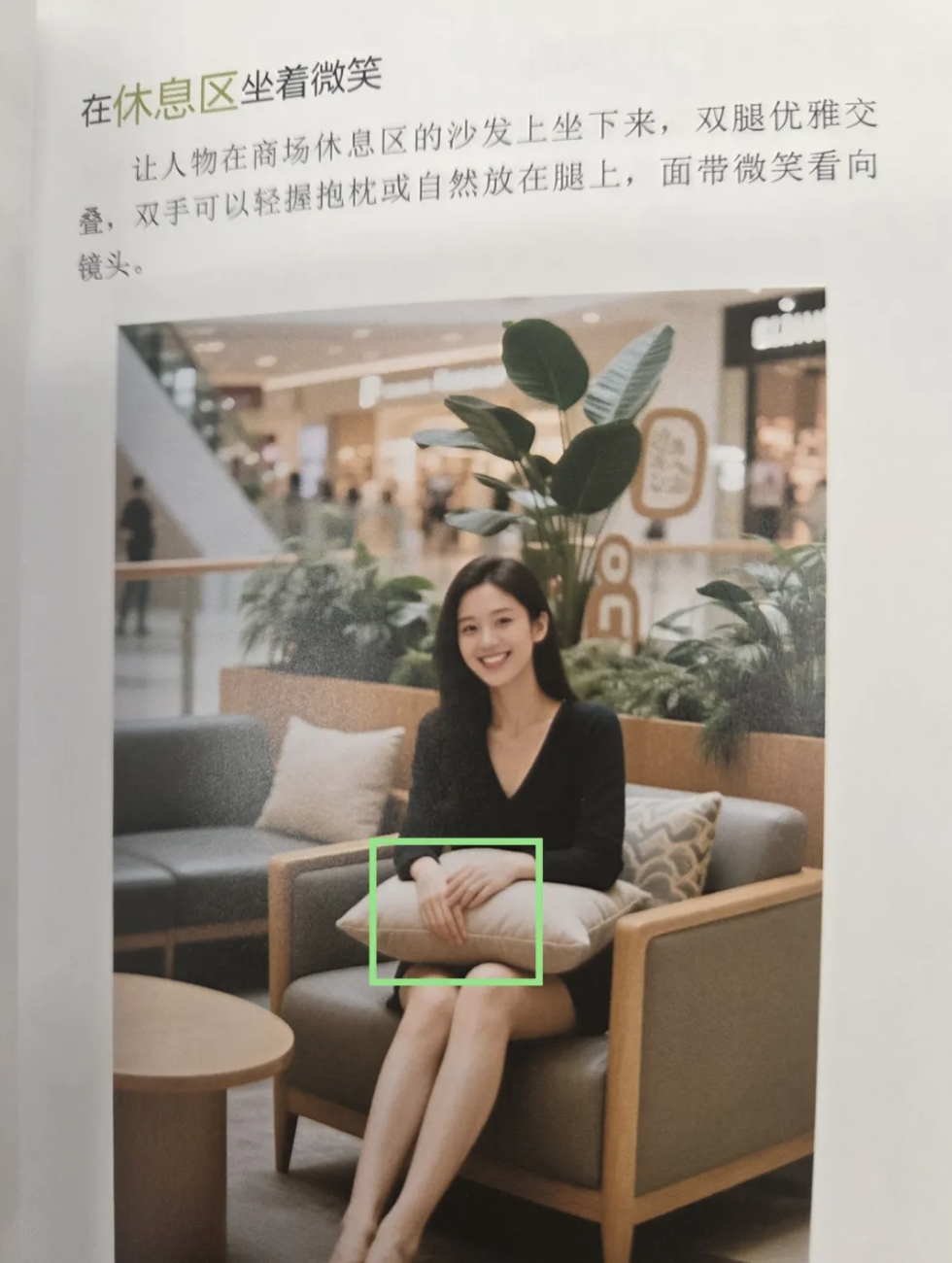
Core Viewpoint - The rapid advancement of AI technology is challenging the integrity of the photography industry, as evidenced by the emergence of AI-generated content that misleads audiences and undermines the authenticity of photographic art [4][5]. Group 1: Issues in Photography - A recent incident highlighted that a photography guidebook contained numerous AI-generated images, which detracted from its educational value and could mislead readers' aesthetic understanding [4]. - Various photography competitions have faced controversies due to AI-generated entries, with instances of disqualification due to evident flaws in the submissions [4]. Group 2: The Role of AI in Creativity - While AI has the potential to assist creative professionals by providing diverse perspectives and expanding expressive dimensions, it should not replace the human element in artistic creation [5]. - The misuse of AI for cost-cutting and profit-seeking, leading to intentional deception, poses a significant threat to industry integrity and contradicts the foundational purpose of technology in serving creativity [5]. Group 3: Need for Regulation - The rapid pace of technological advancement outstrips the development of regulatory frameworks, necessitating collaborative efforts to establish clear standards for AI use in photography [5]. - Industry associations are urged to create definitive guidelines to differentiate between AI-assisted and purely AI-generated works, while platforms should enhance their content screening capabilities to prevent misinformation [5]. - Regulatory bodies must refine laws to clarify responsibilities in AI creation and hold accountable those who exploit AI for fraudulent purposes [5].


摄影师为什么砸自己的饭碗
Xin Jing Bao· 2026-01-20 09:51
Core Viewpoint - The controversy surrounding the photography textbook "Portrait Photography Pocket Book" highlights the challenges and ethical dilemmas faced by the photography industry in the age of AI, particularly regarding the authenticity and professionalism of photographic work [1][3]. Group 1: Professionalism in Photography - The use of AI-generated images in a photography textbook raises questions about the integrity of the content, as nearly 50% of the images contained significant errors, such as characters with six fingers or toes [1][4]. - The incident reflects a broader issue within the photography industry, where the reliance on AI may undermine the core value of capturing reality, which is essential for professional photography [4][6]. - Critics argue that AI-generated images mislead readers and disrespect the art of photography, as they fail to convey real-world experiences and techniques [6]. Group 2: Exploring Boundaries - The issue of photo manipulation is not new, but the rise of AI-generated content presents new challenges to the authenticity of photography, transforming it from a tool for recording reality to a medium that connects reality with imagination [7][8]. - The lack of clear boundaries regarding the use of AI in photography necessitates the establishment of ethical guidelines and regulations to ensure transparency and protect the integrity of the art form [8][9]. - The implementation of the "Artificial Intelligence Generated Synthetic Content Identification Measures" in September 2025 aims to provide a framework for identifying AI-generated content, emphasizing the importance of public awareness [8][9]. Group 3: The Role of the Creator - The essence of photography should remain rooted in the creator's observation, thought, and emotional expression, rather than merely being a product of algorithmic output [9]. - The relationship between technology and humanity must be carefully considered, ensuring that AI serves as a tool to enhance creative expression rather than dominate it [9]. - Ultimately, the evaluation of a photograph should focus on its emotional depth and unique perspective, rather than its origin as AI-generated or human-created [9].
警惕AI生成对实体出版物的污染
Xin Lang Cai Jing· 2026-01-19 18:11
Group 1 - The core issue highlighted is the infiltration of AI-generated content into physical publications, raising concerns about the authenticity and trustworthiness of printed materials [1][2] - A recent incident involved a photography book containing AI-generated images with noticeable errors, such as characters with six fingers, which the publisher failed to identify during the review process [1] - The article emphasizes the need for clear labeling of AI-generated content in physical publications to ensure transparency and inform readers, thereby enhancing their ability to discern inaccuracies [2] Group 2 - The discussion points to a broader need for vigilance regarding the quality and accuracy of AI-generated content in professional fields, suggesting that editors may lack the necessary expertise to evaluate such content effectively [2] - The text argues for a shift in perception regarding the value of printed materials post-AI emergence, advocating for a more critical approach to content verification [1][2] - It is suggested that understanding and engaging with AI-generated content is essential for effectively utilizing it in the realm of physical publications [2]
AI制图“造假”敲响警钟
Xin Lang Cai Jing· 2026-01-18 21:30
Core Viewpoint - The article highlights a significant quality issue with the book "Portrait Photography Pocket Guide," which contains numerous AI-generated images, leading to concerns about the authenticity and educational value of photography resources [1] Group 1: Quality Concerns - A consumer reported that the book, purchased for 30 yuan, features serious quality problems, including AI-generated images with notable errors such as characters having six fingers [1] - The core value of photography books lies in providing real-life shooting examples to convey practical skills like light control and composition techniques [1] Group 2: Implications for Learning - The use of AI images, which deviate from real shooting scenarios, undermines the book's educational purpose and could mislead beginners in photography [1] - The article emphasizes the importance of maintaining content authenticity and professional standards, suggesting that technology should not replace human oversight in content creation [1]
AI生成图片竟成人像摄影指南,出版物的AI标识该如何规范
Xin Lang Cai Jing· 2026-01-17 22:51
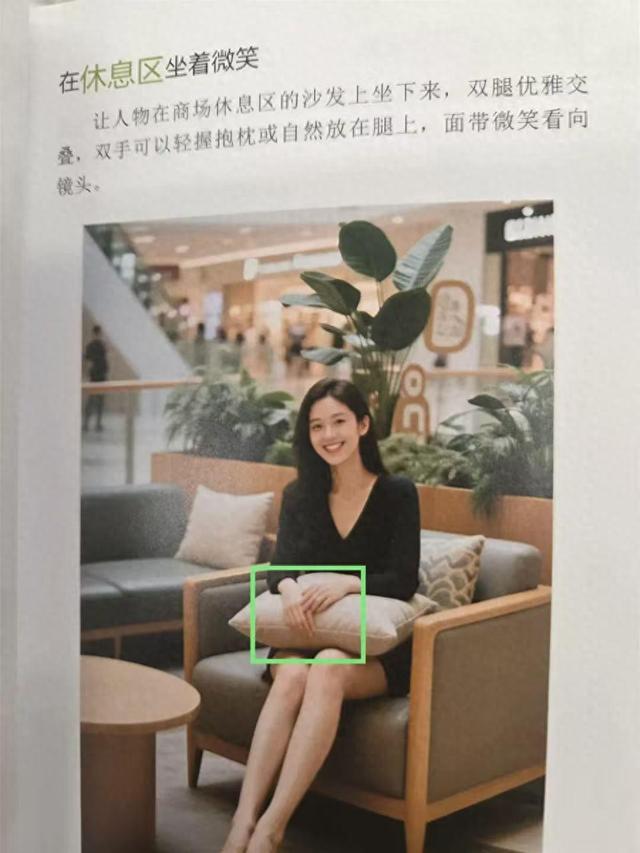
Core Viewpoint - The emergence of AI-generated content in published books, particularly in photography and art, raises concerns about authenticity and consumer rights, leading to potential legal implications for publishers and authors [3][6][9]. Group 1: AI Content in Publications - A reader discovered that a photography book contained AI-generated images with notable flaws, such as models with six fingers and distorted lighting, prompting a response from the publisher offering refunds [3][6]. - Another book, described as a "fantasy humanistic art atlas," was criticized for lacking logical human creativity, featuring over 240 non-existent "fantasy species" without proper disclosure of AI usage [6][9]. - The "Regulations on the Identification of AI-Generated Synthetic Content" implemented in September 2022 mandates that AI-generated content must be clearly marked, yet many publications fail to comply [6][8]. Group 2: Legal and Ethical Implications - Legal experts emphasize that knowledge-based publications, which require accuracy, should be more cautious in using AI content, as it misleads consumers regarding the authenticity of the material [7][8]. - Publishers are seen as the primary responsible parties for ensuring quality and transparency in their publications, and consumers have the right to seek compensation if they are misled by undisclosed AI content [7][8]. - The potential for fraud is highlighted when a significant amount of AI-generated content is present without disclosure, allowing consumers to demand refunds or legal action [8][9].
AI生成图片竟成人像摄影指南 出版物的AI标识该如何规范
Xin Lang Cai Jing· 2026-01-17 19:45
Core Viewpoint - The emergence of AI-generated content in published materials raises concerns about quality and authenticity, particularly in educational books where accuracy is crucial [3][7][8] Group 1: Issues with AI-Generated Content - A reader reported that a photography book contained AI-generated images with multiple flaws, including models with six fingers and distorted body parts, leading to a response from the publisher offering unconditional refunds [3][5] - Another book, described as a "fantasy humanistic art atlas," was criticized for lacking logical human creativity, featuring over 240 non-existent "fantasy species" without proper disclosure of AI involvement [5][7] Group 2: Legal and Ethical Considerations - Experts emphasize that the use of AI content in educational materials should be approached with caution, as it can mislead consumers who expect human-created works [7][8] - According to intellectual property lawyers, publishers have a responsibility to ensure transparency regarding AI-generated content, and failure to do so could be considered deceptive under consumer protection laws [8][9] Group 3: Regulatory Framework - The "Artificial Intelligence Generated Synthetic Content Identification Measures" implemented in September 2022 mandates that AI-generated content must be clearly labeled [5][9] - Publishers are encouraged to adopt both visible and hidden identification methods for AI-generated images to maintain consumer trust and uphold the integrity of the publishing industry [9]
正规图书频频出错,出版机构不能沦为认真做事的反面教材
第一财经· 2026-01-17 14:33
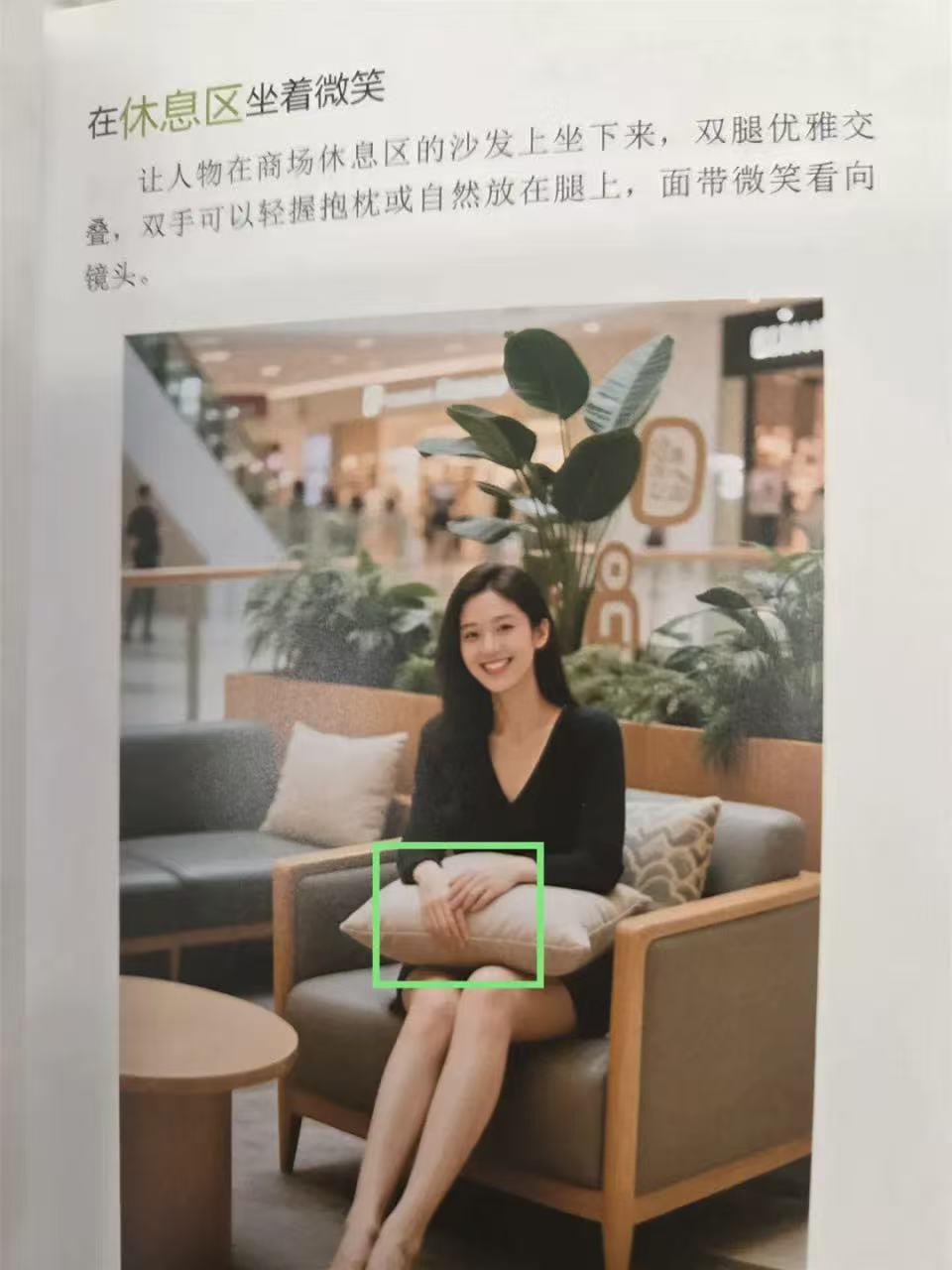
Core Viewpoint - The article highlights a series of quality issues in the book publishing industry, emphasizing the need for stricter quality control and adherence to established standards to maintain the integrity of published works [3][4][5]. Group 1: Recent Quality Issues - Several well-known publishers, including Shanghai Ancient Books Publishing House and Zhonghua Book Company, have faced significant quality problems, leading to the recall of multiple titles due to errors in editing and production [3][4]. - The latest incident involved the People's Posts and Telecommunications Publishing House, where a significant portion of images in a book were found to be AI-generated, raising concerns about the quality control processes in place [3][4]. Group 2: Importance of Quality in Publishing - Books serve as carriers of civilization and knowledge, making their quality paramount. Errors in published materials can mislead readers and have far-reaching consequences, especially in educational and classic literature [4][5]. - Regulations such as the "Book Quality Management Regulations" stipulate that the error rate in book editing must not exceed one in ten thousand, highlighting the industry's commitment to quality [5]. Group 3: Underlying Issues in the Publishing Industry - The repeated mistakes indicate systemic issues within publishing houses, including rushed publication cycles, inadequate review processes, and a lack of accountability among editorial staff [5][6]. - The current trend towards prioritizing speed and profit over quality reflects a broader societal impatience, which has infiltrated the publishing sector [5][6]. Group 4: Call to Action for Publishers - The publishing industry must take on greater social responsibility, returning to its roots of quality and respect for the written word. Historical figures like Lu Feikui exemplify the commitment to high-quality publishing [6]. - To restore its reputation, the industry needs to establish robust quality control systems, enhance training for editorial staff, and prioritize social benefits over mere profitability [6].

壹快评|正规图书频频出错,出版机构不能沦为认真做事的反面教材
Di Yi Cai Jing· 2026-01-17 13:05
Core Viewpoint - The publishing industry is facing significant quality issues, with multiple renowned publishers experiencing serious errors in their publications, raising concerns about the industry's internal control mechanisms and commitment to quality [1][2][3]. Group 1: Recent Quality Issues - Several well-known publishers have recently faced quality problems, including Shanghai Ancient Books Publishing House, Zhonghua Book Company, and People's Posts and Telecommunications Publishing House, leading to the recall of multiple titles due to errors [1][2]. - Specific examples include over 300 errors in "The West Chamber" and AI-generated images in "Portrait Photography Pocket Book," which included significant mistakes such as six fingers or toes [1][2]. Group 2: Industry Standards and Regulations - The publishing industry is governed by strict regulations, such as the "Book Quality Management Regulations," which stipulate that the error rate in publishing must not exceed one in ten thousand [2]. - New regulations effective from September 1, 2025, will require AI-generated images to be clearly labeled, emphasizing the importance of compliance with industry standards [2]. Group 3: Internal Control and Responsibility - The repeated errors indicate a failure in internal control mechanisms within publishing houses, possibly due to rushed publication cycles and inadequate review processes [2][3]. - There is a call for publishing institutions to take greater social responsibility and to return to a focus on quality, emphasizing the need for rigorous training and management of editorial staff [3][4]. Group 4: Societal Reflection and Future Directions - The current quality issues in publishing reflect a broader societal trend towards haste and superficiality, which can compromise the integrity of published works [3]. - The industry is urged to uphold its foundational role in civilization transmission by prioritizing quality and respecting the reader, thereby restoring its reputation and societal value [4].
人像摄影教学书籍惊现多张疑似 AI 合成“6 指照片”,出版社致歉称“将提供无条件退款服务”
Xin Lang Cai Jing· 2026-01-16 03:23
Core Viewpoint - A recent report highlights significant quality issues in the book "Portrait Photography Pocket Guide," with nearly 50% of the images suspected to be AI-generated, featuring notable errors such as six fingers and six toes [1][5]. Group 1: Quality Issues - The book contains a total of 159 images used to illustrate portrait photography techniques, of which 75 images, nearly 50%, are suspected to be AI-generated [1]. - The AI-generated images exhibit typical errors, including blurred facial details, harsh light transitions, and distorted hand postures [1]. Group 2: Publication and Compliance - The book was published in November 2025, while the "Artificial Intelligence Generated Content Identification Measures," which mandates labeling of AI-generated content, was implemented in September 2025 [5]. - The publisher, People's Posts and Telecommunications Publishing House, acknowledged the oversight in not identifying the AI-generated images during the review process and expressed regret for the error [5]. Group 3: Consumer Response - The publisher has confirmed the existence of quality issues and is offering unconditional refunds to consumers affected by the problem [5].
写真模特有6根手指?一摄影书大量使用AI生成图片,占比近50%!出版社致歉:将无条件退款
Mei Ri Jing Ji Xin Wen· 2026-01-15 08:28
Core Viewpoint - The publication of the book "Portrait Photography Pocket Book" by People's Posts and Telecommunications Publishing House has faced significant criticism due to the presence of AI-generated images that contain serious quality issues, including anatomical errors such as six fingers and six toes [1][4][5]. Group 1: Quality Issues - The book contains a total of 159 images used to illustrate portrait photography techniques, with 75 images suspected to be AI-generated, accounting for nearly 50% of the total [1]. - The AI-generated images exhibit typical characteristics such as blurred facial details and unnatural lighting transitions, along with notable anatomical errors [1]. Group 2: Publisher's Response - The publisher has acknowledged the quality issues and is offering unconditional refunds to consumers [4]. - The publisher admitted that the author did not disclose the use of AI-generated images during the manuscript submission, which led to a failure in the review process [5]. Group 3: Market Impact - The book has been removed from shelves nationwide following a directive from the publisher due to quality concerns [5]. - Multiple official flagship stores of the publisher on e-commerce platforms have also taken down the book [5]. Group 4: Regulatory Context - The "Artificial Intelligence Generated Synthetic Content Identification Measures," effective from September 1, 2025, mandates that AI-generated images must be labeled accordingly [6]. - The book, published on November 1, 2025, failed to comply with this regulation by not labeling the AI-generated images [6]. Group 5: Industry Perspectives - Experts in photography have criticized the use of AI-generated images in photography books, stating that it misleads readers and disrespects the profession [8]. - Recent controversies surrounding AI-generated content have been highlighted, including a photography competition where an AI-generated image won first place despite rules prohibiting such entries [10].