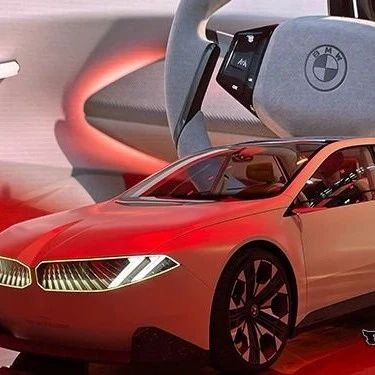
宝马新型EV

Search documents
欧洲车企面临中美双重苦,想靠高档车破局
日经中文网· 2025-05-23 07:25
Core Viewpoint - European automakers are losing market share in China and facing the impact of U.S. tariffs, leading them to focus on high-end large vehicles as a compensatory strategy [1][4]. Group 1: Market Challenges - European car manufacturers are experiencing a dual blow from declining sales in China and U.S. tariff policies, particularly affecting companies like Volkswagen (VW) and Mercedes-Benz [1]. - The sales in China for major German automakers have decreased significantly, with Volkswagen's sales down by 7% and Mercedes-Benz's by 10% [4]. - The net profit of major German automotive companies has dropped by 26% to 43% in early 2025, primarily due to weak sales in China, despite a 4% increase in sales in Europe and the U.S. [4]. Group 2: Strategic Responses - Volkswagen plans to revive the "Scout" brand in the U.S. and is constructing a new factory in South Carolina to produce SUVs and electric pickups by 2027, with pre-orders reaching 100,000 units [3]. - Mercedes-Benz will start producing SUVs in Alabama from 2027 and is considering halting sales of lower-priced models like the GLA in the U.S. [4]. - Both Volkswagen and Mercedes-Benz are focusing on high-end large vehicles to mitigate the impact of tariffs and declining sales [1][3]. Group 3: Future Outlook - BMW's president expressed confidence in negotiations with U.S. officials, indicating that the company exported 225,000 vehicles from South Carolina in 2024, maintaining its status as the largest car exporter in the U.S. [5]. - Other European automakers, including Stellantis and Ford, have withdrawn their earnings forecasts for the fiscal year ending in 2025, while BMW has maintained its earnings outlook despite the tariff situation [5].