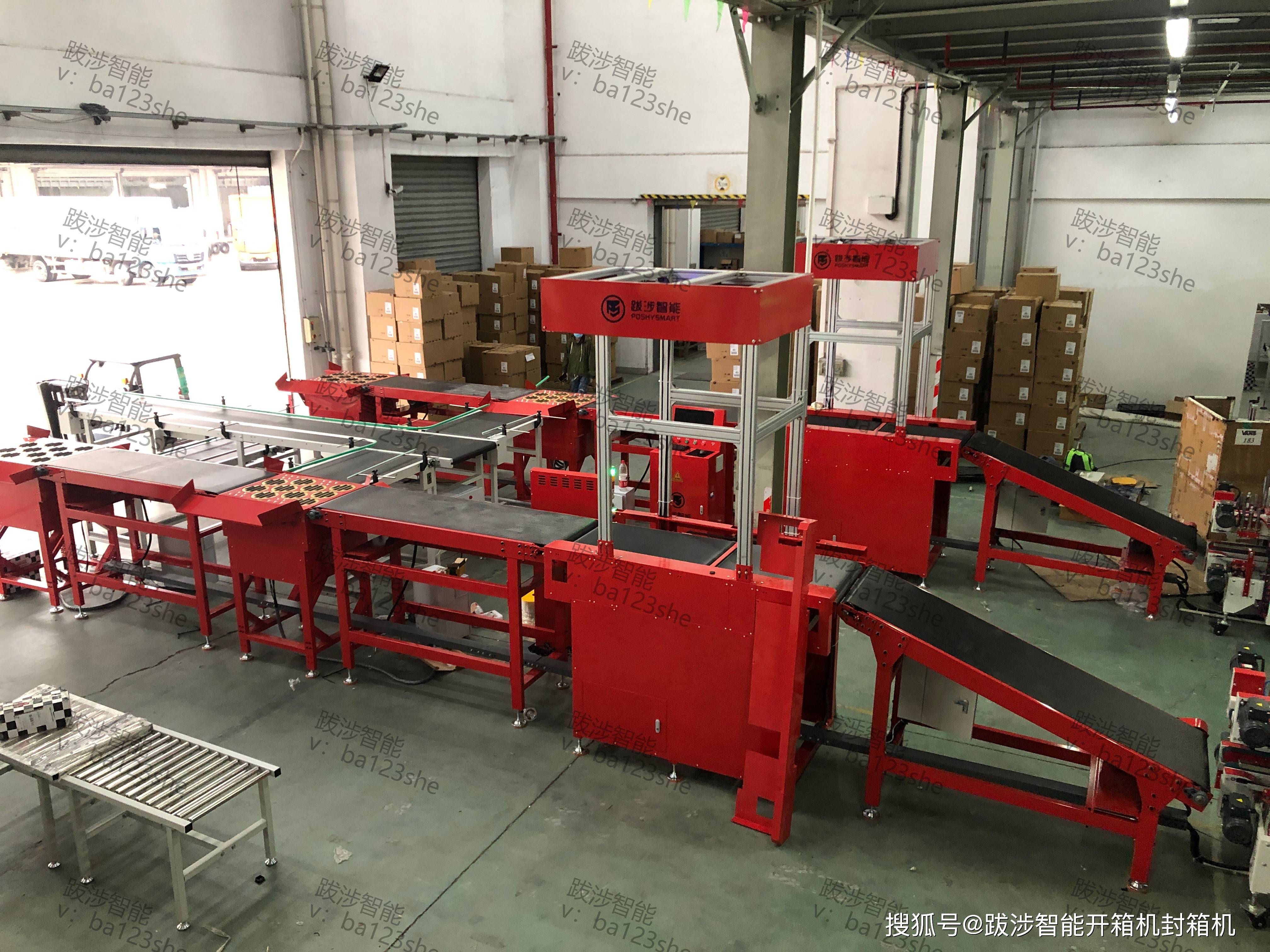
封箱机

Search documents
旺季爆单却陷封箱困局?2026电商物流封箱机升级趋势解码
Sou Hu Cai Jing· 2025-12-31 07:11
Core Insights - The logistics industry is facing significant challenges with packaging efficiency, particularly during peak seasons like "Double 11," where order volumes have doubled, leading to increased operational costs and potential delivery delays [1] - The e-commerce logistics sector is experiencing a wave of intelligent upgrades in packaging machines, with the automated packaging system market in China surpassing 10 billion yuan in 2024 and expected to reach 15.8 billion yuan by 2026, with e-commerce logistics accounting for 24.3% of this growth [1] - Two major trends are emerging in the industry: the necessity for flexible adaptation to various packaging requirements and the acceleration of digital integration in packaging machines [1] Group 1 - The efficiency bottleneck in logistics is primarily due to inadequate packaging equipment compatibility, with over 65% of e-commerce warehouses reporting operational efficiency (OEE) below 60% during peak seasons [1] - The penetration rate of intelligent equipment that supports flexible adaptation for various box sizes is projected to increase from 28% in 2023 to 45% by 2025 [1] - Packaging machines with MES system integration capabilities are becoming standard for leading e-commerce companies to build smart warehouses [1] Group 2 - Many small and medium-sized e-commerce businesses are making poor equipment choices by opting for low-cost machines that overlook critical performance metrics, leading to higher overall costs [2] - Equipment with adaptive tension control technology can reduce tape waste to below 5% and maintain a dynamic fitting error of less than 0.5mm, making it suitable for high-speed sorting scenarios [2] - E-commerce logistics companies need to follow the "flexibility + digitalization" trend to avoid falling into a "low-cost, low-efficiency" cycle [2]

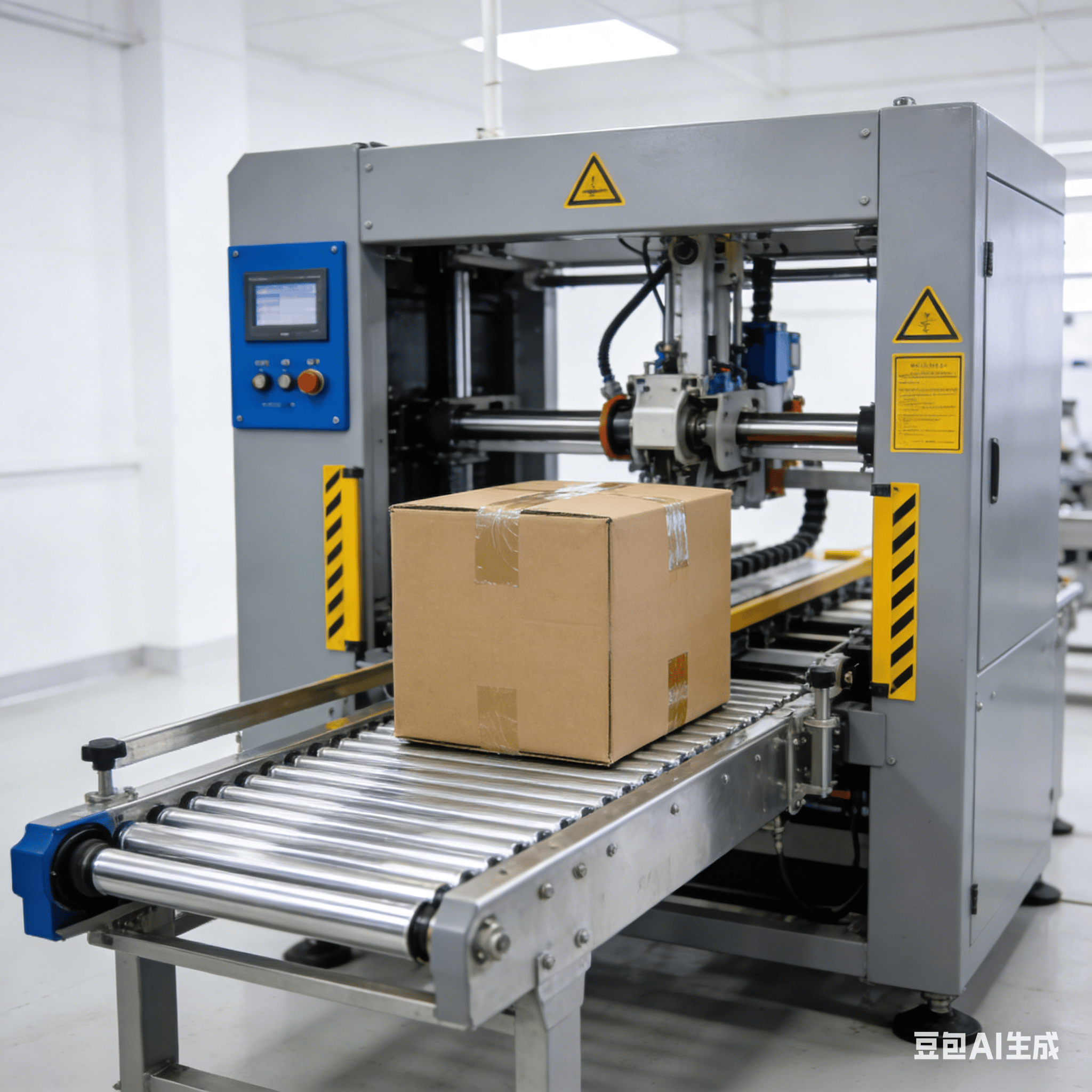
跋涉智能打包王的“慢哲学”:当所有人追求快,我们为何坚持先“慢下来”?
Sou Hu Cai Jing· 2025-12-29 15:24
Core Insights - The article emphasizes the importance of a thoughtful approach to efficiency in logistics automation, highlighting the value of deep service and strategic planning over rapid execution [1][4][17] - The company, Baashe Intelligent, focuses on understanding client needs through on-site assessments and tailored solutions, positioning itself as a "capacity planner" rather than just a seller of equipment [5][6] Group 1: Pre-Sales Strategy - Baashe Intelligent's pre-sales team prioritizes diagnosing future needs over merely selling equipment, recognizing that 80% of client pain points stem from inadequate equipment planning for future growth [5] - The team employs a detailed diagnostic process that includes layout mapping, cycle time analysis, and data modeling to optimize efficiency and cost [8] - For high-stakes clients like JD and SF, the company conducts 1:1 scenario rehearsals to test solutions in real-time, achieving a 99.5% success rate in initial production [9] Group 2: Proactive After-Sales Service - The company has developed a proactive service system called "Lifetime Health Management" to prevent issues before they arise, moving from reactive maintenance to predictive care [10] - Each piece of equipment is assigned an electronic health record that monitors operational data to predict potential failures, allowing for preemptive action [10] - The training program for clients is tiered, enabling them to independently manage and optimize their equipment, thus reducing reliance on external service providers [11][12][14] Group 3: Long-Term Partnerships - The delivery of equipment is viewed as the beginning of a long-term partnership, focusing on data sharing and resource collaboration to enhance client operations [15] - Baashe Intelligent extends its value beyond equipment by providing insights into international logistics and compliance, optimizing supply chain efficiency [15] - The company's commitment to a "slow philosophy" reflects a responsibility for clients' long-term production stability, fostering trust and reliability in their services [17][18]