屯堡·家国六百年经典游学线路

Search documents
汇聚跨界智慧 激发屯堡文化时代价值
Ren Min Ri Bao· 2025-11-27 22:30
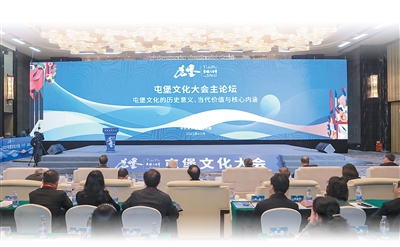
Core Viewpoint - The Tuntou culture, originating from the early Ming Dynasty, represents a unique blend of cultural influences and serves as a testament to the historical significance of national unity and ethnic integration in China [6][9][10]. Group 1: Historical Significance - Tuntou culture is a vivid representation of the ancient political wisdom and management art, showcasing the effective maintenance of national unity and local stability through the establishment of military facilities [9][10]. - The Tuntou culture reflects the integration of diverse ethnic cultures, maintaining unique characteristics while promoting harmonious development [9][14]. - The historical experience and cultural paradigms of Tuntou culture are both unique and universally significant, contributing to the inheritance and promotion of excellent traditional Chinese culture [9][10]. Group 2: Contemporary Value - The promotion of Tuntou culture is essential for enhancing cultural confidence and supporting economic and social development in Guizhou Province [6][10]. - The integration of traditional wisdom with contemporary values is crucial for the revitalization of Tuntou culture, encouraging younger generations to engage with and narrate Tuntou stories [13][18]. - The Tuntou culture's adaptability and resilience over 600 years highlight its relevance in today's rapidly changing environment, emphasizing the importance of cultural preservation and innovation [11][12][18]. Group 3: Cultural Promotion and Education - The "Tuntou: Home and Country for 600 Years" cultural conference aims to deepen understanding of Tuntou culture through academic discussions and public engagement [6][20]. - The development of educational travel routes connecting Tuntou cultural landmarks is intended to enhance public awareness and appreciation of this rich cultural heritage [20][21]. - Artistic interventions and contemporary interpretations of Tuntou culture are vital for its revitalization, ensuring that it remains a living tradition rather than a mere historical artifact [11][12][22].