巧克力精炼和搅拌机

Search documents
行业聚焦:全球巧克力加工设备市场头部企业份额调研(附Top 10 厂商名单)
QYResearch· 2025-10-15 02:20
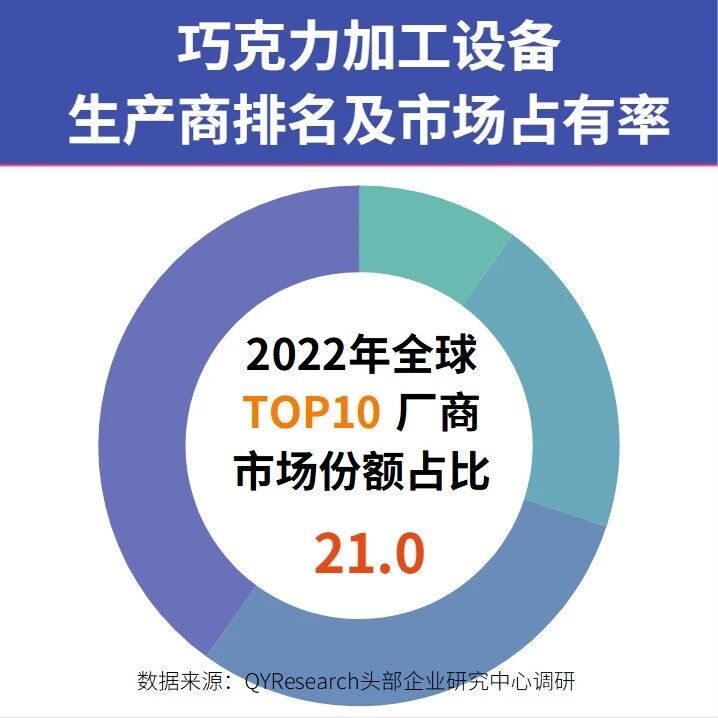
Core Insights - The global chocolate processing equipment market is projected to reach USD 1.63 billion by 2030, with a compound annual growth rate (CAGR) of 5.8% over the coming years [1]. Market Overview - Chocolate processing equipment refers to specialized machinery used in chocolate production, covering key processes such as roasting, winnowing, grinding, refining, tempering, molding, and coating [1]. - The market is dominated by major manufacturers, with the top ten companies holding approximately 21.0% of the market share in 2022 [6]. Product Segmentation - Chocolate refining and mixing machines are the leading product segment, accounting for about 27.5% of the market share [7]. Application Segmentation - Large industrial manufacturers represent the largest downstream market, capturing approximately 85.3% of the demand for chocolate processing equipment [10]. Key Drivers - D1: Growing consumer demand for chocolate products is driving manufacturers to invest in advanced machinery to enhance capacity and maintain product quality [13]. - D2: The shift towards high-end artisanal chocolate is increasing the demand for advanced processing equipment capable of producing high-quality customized chocolate products [14]. - D3: Advances in automation, artificial intelligence (AI), and the Internet of Things (IoT) are improving efficiency and reducing costs in large-scale chocolate production [15]. - D4: Increasing consumer preference for healthier products, such as sugar-free and low-fat chocolates, is prompting manufacturers to innovate and adopt specialized equipment [16]. - D5: The competitive nature of the chocolate industry is leading manufacturers to adopt machines that enhance production speed, reduce waste, and maintain high-quality standards [17]. Key Challenges - R1: Compliance with stringent food safety regulations can be challenging, requiring manufacturers to invest in equipment that meets these standards, potentially increasing costs [18]. - R2: Rapid technological advancements may render older machines obsolete, forcing companies to frequently invest in upgrades to remain competitive [19]. - R3: Ensuring the supply of spare parts and timely maintenance for specialized machines can be a constraint, especially in regions with inadequate service networks [20]. - R4: Economic downturns may reduce consumer spending on premium or luxury chocolates, impacting the demand for high-end production equipment, particularly for niche market manufacturers [21].

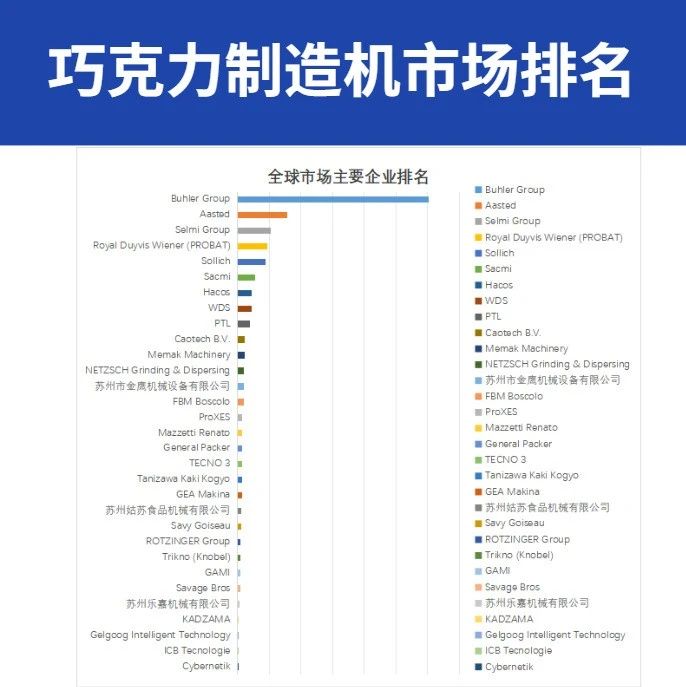
定制化浪潮席卷千亿糖果产业!全球巧克力制造机市场迈入智能柔性生产时代
QYResearch· 2025-06-23 09:21
Core Viewpoint - The global chocolate manufacturing machine market is projected to reach $3.94 billion by 2031, with a compound annual growth rate (CAGR) of 5.8% from 2025 to 2031, driven by the increasing demand for high-end chocolate and the shift towards flexible, small-batch production [1][11]. Market Overview - The chocolate manufacturing machine market is expected to grow significantly, with the smart micro-production line segment experiencing a remarkable growth rate of 23.7% [1]. - The top five manufacturers are estimated to hold approximately 21.0% of the market share in 2024 [5]. Product Segmentation - Chocolate refining and mixing machines are the leading product type, accounting for about 28.0% of the market share [6][9]. - The largest downstream market for chocolate manufacturing machines is large industrial manufacturers, which represent approximately 84.8% of the demand [7]. Key Drivers - D1: The continuous growth in consumer demand for chocolate products is prompting manufacturers to invest in advanced machinery to enhance capacity and maintain product quality [11]. - D2: There is a rising demand for high-end, organic, and specialty chocolates, leading to an increased need for advanced processing equipment capable of producing high-quality customized chocolate products [12]. - D3: The integration of automation, artificial intelligence (AI), and the Internet of Things (IoT) in manufacturing processes is crucial for improving efficiency, reducing costs, and enabling real-time monitoring [13]. - D4: The growing consumer preference for healthier chocolate options, such as sugar-free, low-fat, and vegan products, is driving manufacturers to innovate and adopt specialized equipment [14]. Challenges - C1: The high initial investment costs associated with advanced chocolate production machinery may hinder market entry for small manufacturers or startups [15]. - C2: The complexity of new machinery requires skilled operators and regular training, increasing operational challenges and costs [16]. - C3: Rapid technological advancements may render older machines obsolete, forcing companies to frequently invest in upgrades to remain competitive [17]. - C4: Issues related to spare parts supply and maintenance can pose additional challenges for manufacturers [18].