影石全景无人机影翎Antigravity

Search documents
大疆「摔跤」,影石「拱火」
3 6 Ke· 2025-10-15 10:43
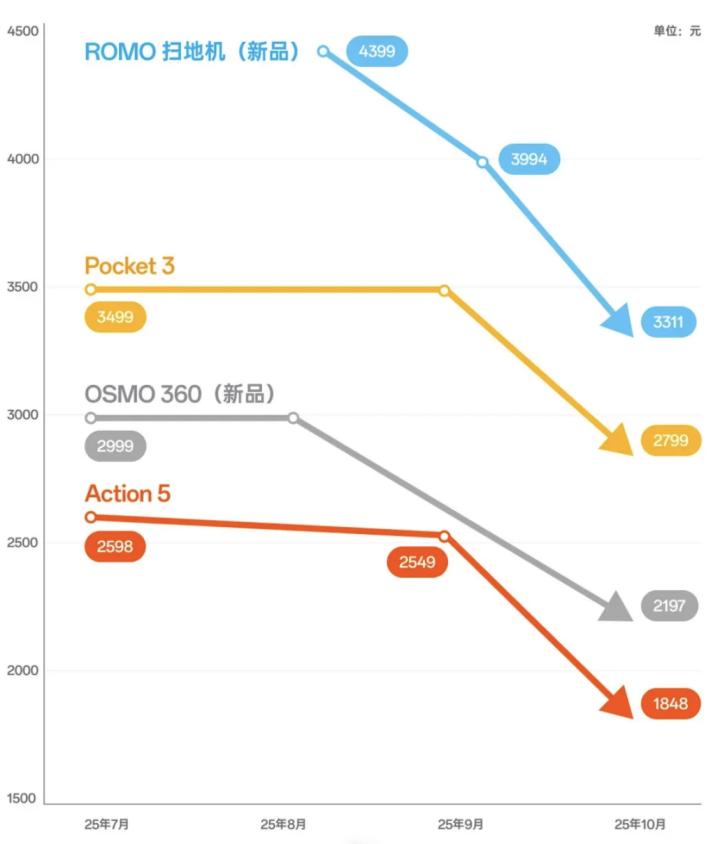
Core Insights - The article discusses the backlash faced by DJI after a sudden price drop of its popular product, the Pocket 3, leading to consumer dissatisfaction and complaints about pricing transparency [1][2][4][9] Group 1: Pricing Strategy and Consumer Reaction - DJI's Pocket 3 was originally priced at 3499 yuan but saw a price drop of 700 yuan shortly before the Double 11 shopping festival, causing frustration among consumers who had recently purchased the product at the higher price [2][4] - Many consumers reported confirming with customer service that there would be no price drop before making their purchases, only to be disappointed when the price was reduced shortly after [2][4] - Complaints related to DJI's price drop have surged, with nearly 1700 complaints registered on the Black Cat Complaints platform, indicating a significant consumer backlash [4] Group 2: Service Experience and Consumer Expectations - The disparity in service levels between online and offline channels has led to confusion and dissatisfaction among consumers, particularly regarding price protection policies [5][6] - Consumers have expressed frustration over the perceived double standards in DJI's pricing and refund policies, especially when purchasing through different channels [5][6] - The article highlights that as DJI transitions from a technology-driven company to a consumer brand, it faces systemic challenges in meeting rising consumer expectations for service and experience [9][10] Group 3: Competitive Landscape - The article notes that DJI is facing increased competition from emerging brands like Yingshi, which has adopted aggressive marketing strategies, including offering compensation to consumers affected by DJI's price drop [6][12] - Traditional smartphone manufacturers, such as Apple, Vivo, and OPPO, are also entering the imaging device market, leveraging their established service networks and consumer familiarity [12][14] - DJI's market share in the global smart imaging device sector is projected to decline from 19.1% in 2023 to 13.2% in 2024, reflecting a significant shift in the industry landscape [14][15] Group 4: Future Outlook - The article suggests that for companies like DJI, succeeding in the competitive landscape of smart imaging devices will require not only strong product offerings but also a focus on providing warm and responsive customer service [15]