
意定监护

Search documents
仅老年独居者就数千万,谁能帮他们从容老去?
Mei Ri Jing Ji Xin Wen· 2026-02-04 22:32
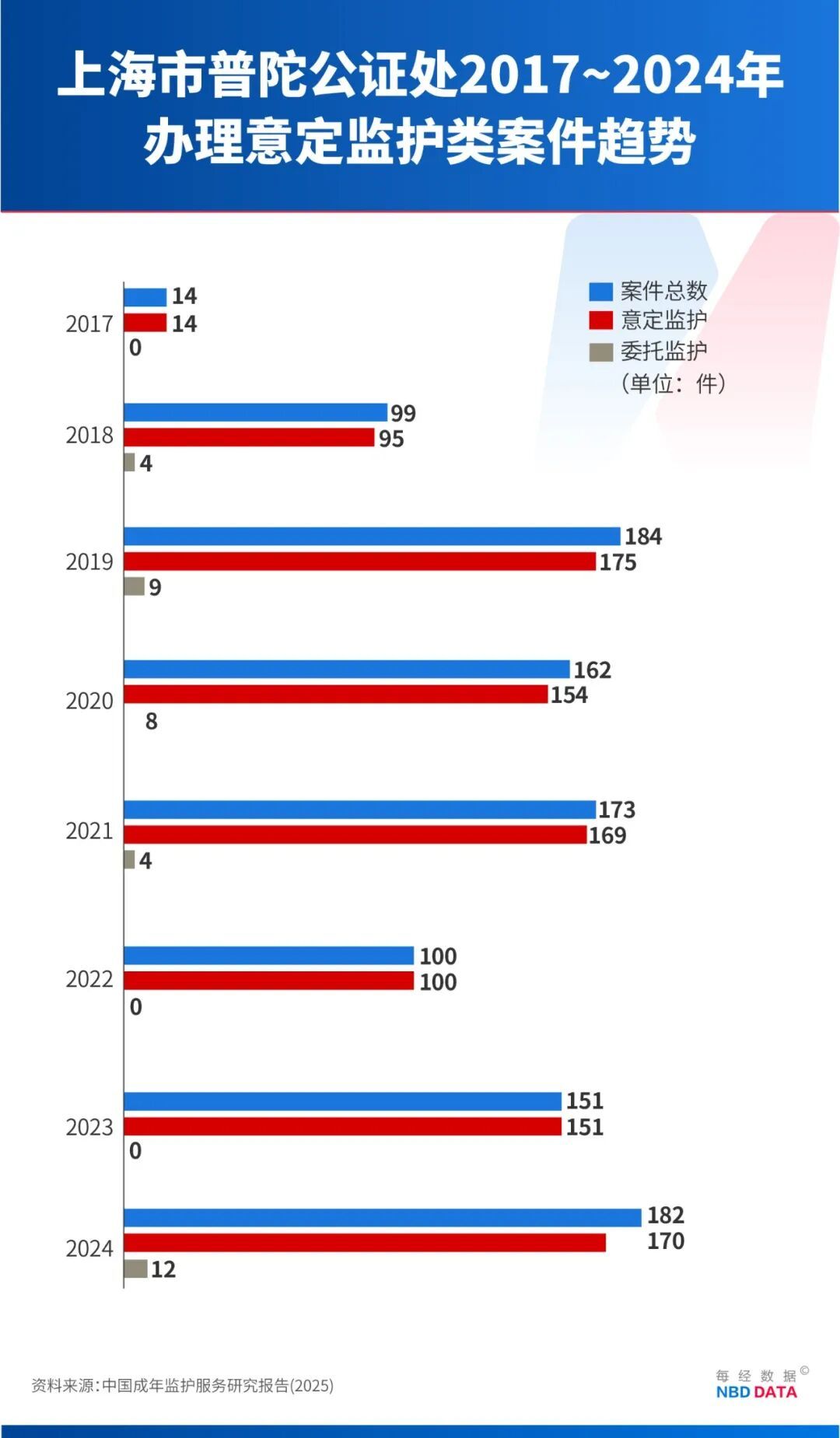
Core Viewpoint - The rise of "intended guardianship" in China reflects a growing concern among individuals, particularly those living alone, about ensuring their wishes are respected in medical and end-of-life decisions, as well as managing their assets effectively [1][10][20]. Group 1: Background and Context - The case of Ms. Jiang, who passed away alone in Shanghai, has sparked discussions about the risks faced by solitary individuals in modern society and the need for systems to address these concerns [1]. - The implementation of intended guardianship policies in Beijing and Shanghai aims to alleviate anxiety among the elderly and those living alone, but challenges remain in terms of supervision and rights recognition [1][20][21]. Group 2: Intended Guardianship System - Intended guardianship allows adults to designate trusted individuals or organizations as guardians in advance, ensuring their care and asset management if they lose the ability to make decisions [13][10]. - The concept has evolved since its introduction in 2012, gaining legal recognition in the Civil Code of 2021, which expanded its applicability beyond the elderly to all capable adults [10][13]. Group 3: Increasing Interest and Demographics - There has been a noticeable increase in younger individuals, particularly those in their 40s and 50s, seeking intended guardianship services, contrasting with the previous focus on older adults [7][4]. - As of the end of 2020, over 1.25 billion households in China were one-person households, with a significant portion of elderly individuals living alone, highlighting the growing market for intended guardianship [7][4]. Group 4: Challenges and Concerns - Many individuals face difficulties in finding suitable guardians, as the role of a guardian is not synonymous with that of a legal heir, leading to trust issues and concerns about the responsibilities involved [15][16]. - The lack of clear regulations and standards for guardian qualifications and oversight contributes to the hesitance among potential guardians and those seeking guardianship [16][19]. Group 5: Policy Developments and Future Trends - Recent regulations in Shanghai and Beijing aim to streamline the intended guardianship process, enhance information sharing among relevant departments, and provide support for individuals seeking guardianship [20][23]. - The potential for a socialized guardianship system is emerging, where professional organizations may take on the role of guardians, addressing the needs of those without family support [24][25].

一站式便民服务助力守护生命尊严
Hang Zhou Ri Bao· 2026-01-08 02:50
Core Insights - The Zhejiang Will Library held its second public welfare carnival, integrating various public resources to provide citizens with one-stop services including will consultation, dental check-ups, financial services, and calligraphy gifts [1] - Two key legal services, "intended guardianship" and "emotional wills," gained significant attention during the event, highlighting the importance of legal planning for vulnerable groups and the preservation of emotional legacies [1] Group 1 - The number of consultations at the Zhejiang Will Library increased from 4,868 in 2016 to 46,843 in 2023, indicating a growing trend among young people to create wills [2] - The head of the Zhejiang Will Library, Ye Shijuan, emphasized that having a legally effective will is not only a tool for resolving disputes but also a means to carry emotions, fulfill wishes, and protect dignity [2] Group 2 - A case involving a woman from Shanghai, who passed away without legal heirs or a valid will, sparked discussions among residents about the importance of pre-planning and the potential consequences of not having a will [1] - Emotional wills are designed to address feelings that cannot be quantified, with examples shared at the event illustrating parents seeking forgiveness from estranged children and a single man wanting to pass on unspoken sentiments to a loved one [1]