
懒人毯

Search documents
记者手记|美国圣诞季遭遇“价签冲击”
Xin Hua Wang· 2025-12-23 07:56
Core Viewpoint - The article highlights the significant price increases of Christmas gifts in the U.S. this year, leading consumers to reduce their gift lists or opt for homemade or second-hand items due to the "price tag shock" [2][6]. Price Increases - Popular holiday gifts have seen an average price increase of 26% compared to last year [6]. - Specific categories have experienced notable price hikes: home and kitchen gifts up 38%, electronics up 34%, clothing, shoes, and accessories up 20%, and toys and games up 17% [6]. Consumer Behavior - 40% of households are reducing the number of gifts purchased, and nearly one-third are cutting back on the number of recipients [6]. - Consumers are showing hesitation in purchasing due to high prices, with some negotiating prices at markets [2][4]. Retailer Challenges - Retailers are facing difficulties due to rising costs from tariffs, rent, and wages, leading to increased product prices [4]. - A store owner noted that maintaining previous prices would make it impossible to stay in business [4]. Tariff Impact - The article attributes the price increases to the unpredictable tariff policies of the Trump administration, which have resulted in over $200 billion in tariffs collected since January 20 [6]. - The U.S. Customs and Border Protection reported that tariffs and fees collected in October amounted to $34.3 billion [6]. Future Expectations - Analysts predict that U.S. importers may eventually pass on tariff costs to consumers, potentially leading to another round of price increases by spring 2026 [7].

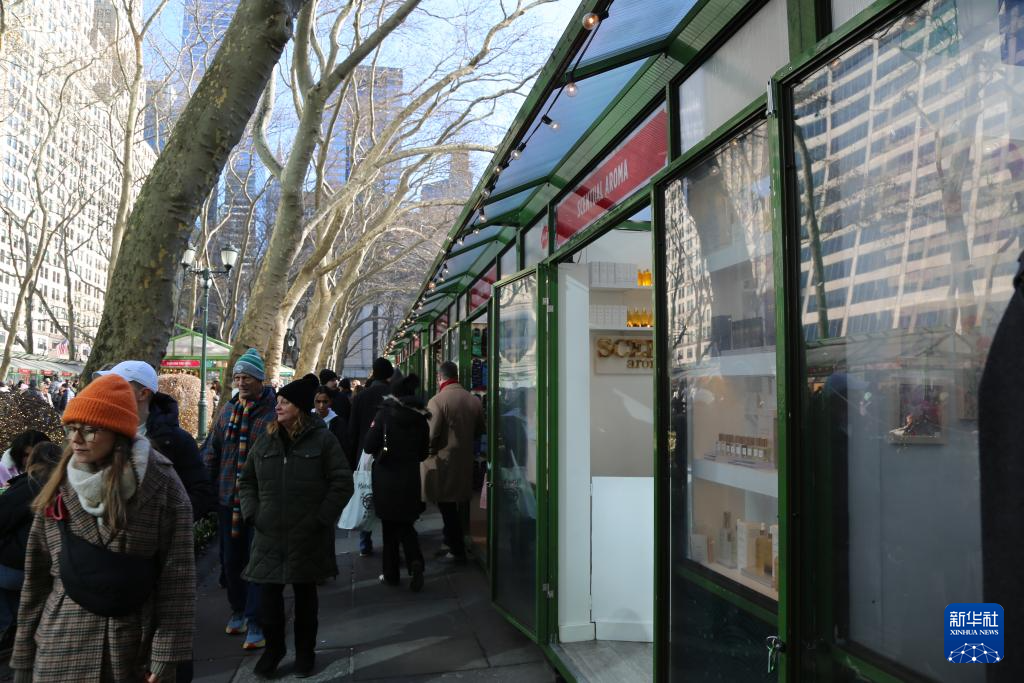
【环球财经】记者手记|美国圣诞季遭遇“价签冲击”
Xin Hua She· 2025-12-23 07:40
Core Viewpoint - The article highlights the significant price increases of Christmas gifts in the U.S. this year, leading consumers to reduce their gift lists or opt for homemade or second-hand items due to the "price tag shock" [1][2][3]. Group 1: Price Increases - Many popular holiday gifts have seen an average price increase of 26% compared to last year, with specific categories experiencing even higher increases: home and kitchen gifts up 38%, electronics up 34%, clothing, shoes, and accessories up 20%, and toys and games up 17% [3]. - The price of items at local stores has risen sharply, with few products priced below $10, and specific items like a reindeer-patterned hat priced at nearly $30 and a 45 cm artificial Christmas tree close to $20 [2][3]. Group 2: Consumer Behavior - 40% of households are reducing the number of gifts they purchase, and nearly one-third are cutting back on the number of recipients [3]. - Consumers are showing hesitation in their purchasing decisions, often comparing prices and negotiating with sellers before making a purchase [1]. Group 3: Economic Factors - The price increases are attributed to rising tariffs, rent, and wages, with store owners indicating that maintaining previous prices is not feasible for business [2]. - The U.S. Customs and Border Protection reported that over $200 billion in tariffs have been collected since the Trump administration took office, contributing to the increased costs of imported goods [3].