成都年画

Search documents
四川年画艺人策马向新
Xin Lang Cai Jing· 2026-02-26 22:50
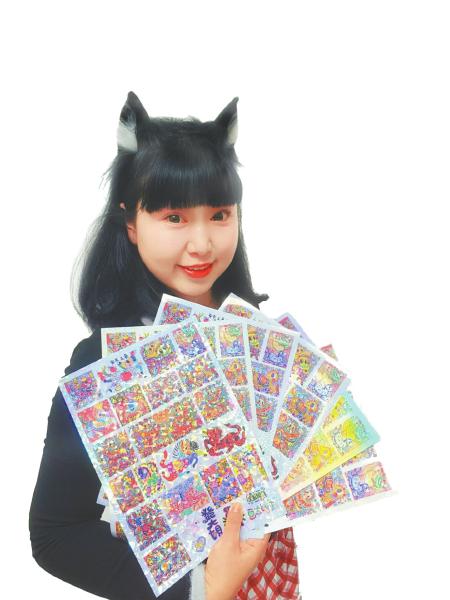
Core Viewpoint - The article highlights the revival and innovation of traditional Chinese New Year paintings, particularly focusing on the works from Sichuan, showcasing how artists blend traditional techniques with contemporary themes to attract modern audiences [6][10]. Group 1: Traditional Art and Cultural Significance - The article discusses the significance of Chinese New Year paintings, which are unique to China and are primarily used for decoration during the New Year, symbolizing good fortune and joy [6][9]. - Artists like Zhang Rongqiang are promoting traditional art forms such as the Qijiang New Year paintings, emphasizing the importance of cultural heritage during festive seasons [6][8]. Group 2: Innovation in Art - Zhang Rongqiang's new work, "Immediately Prosperous," is inspired by classic pieces and incorporates modern design elements, showcasing a blend of tradition and contemporary aesthetics [7][8]. - The article mentions the collaboration between Zhang and a designer to create new works that resonate with current trends while maintaining traditional artistic values [8][9]. Group 3: Market Trends and Audience Engagement - The article notes that new forms of Sichuan New Year paintings, such as the Q-version of the "Fortune Baby" by artist Jia Jun, are designed to appeal to younger audiences through playful and vibrant imagery [10][11]. - The emergence of new cultural products, like laser stickers from Chengdu, reflects a shift in consumer preferences, particularly among younger generations who appreciate innovative interpretations of traditional art [12][13].